
Plants
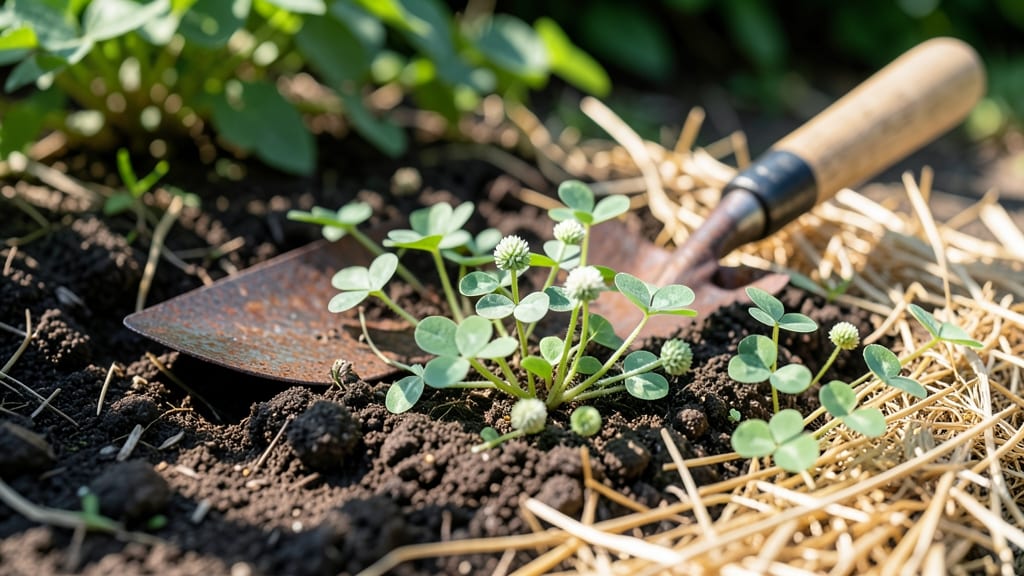
Planting clover in Illinois at the wrong time can leave you staring at bare soil for weeks—even months—while your cover crop refuses to take root. The key to fast, reliable germination lies in understanding when to plant, whether you're aiming for spring's early blooms or fall's cooler roots.
With Illinois' USDA Zones 5-6 and unpredictable frost dates, timing matters more than you might think. Skip the guesswork and plant at the perfect moment—after the last frost (mid-April on average) or before the first chill of fall—to give your 🌱 clover the best shot at thriving.
Whether you're restoring soil health, adding nitrogen, or creating a lush lawn, this guide breaks down the exact windows for planting in both seasons. We'll cover soil prep, variety differences, and regional tweaks so you can avoid common pitfalls and see results faster.
Ready to transform your yard or farmland with clover? Let's dive into the science-backed deadlines that'll have your clover growing strong in no time.
Best planting windows for clover in Illinois: spring vs fall deadlines
If you're planting clover in Illinois, timing is everything. The state's USDA Zones 5-7 create distinct planting windows for spring vs fall success. For white clover, red clover, and alsike clover, I'll break down the exact months and temperature thresholds to maximize germination.
Northern Illinois (Zone 5) has a shorter growing season with later last frosts, while Southern Illinois (Zones 6-7) enjoys earlier springs and later falls. This means your planting deadlines should shift based on where you live. Let's dive into the specifics.
For spring planting, aim to sow seeds 2-4 weeks before your last frost date. In most of Illinois, this means late March to mid-April. The key is waiting until soil temperatures reach at least 50°F (10°C)—cold soil slows germination dramatically.
Fall planting offers a second chance, especially for white clover, which establishes better in cooler weather. Plant 6-8 weeks before your first frost, typically mid-September to early October. This gives seeds time to germinate before winter sets in.
Here’s how the ideal planting windows compare across Illinois:
| Variety | Spring Planting Window | Fall Planting Window | Soil Temp Threshold | Notes |
|---|---|---|---|---|
| White Clover | Late March - Mid-April | Mid-September - Early October | 50°F (10°C) | Best for lawns; tolerates foot traffic |
| Red Clover | Early April - Early May | Late August - Mid-September | 55°F (13°C) | Fast-growing; great for soil improvement |
| Alsike Clover | Mid-April - Late May | Early September - Early October | 60°F (16°C) | Cold-hardy; best for Northern Illinois |
For Northern Illinois (Zone 5), stick to the earlier deadlines—plant white clover by April 15 and red clover by May 1 for spring. In Southern Illinois (Zones 6-7), you can push these dates back by 2-3 weeks, giving you more flexibility.
Pro tip: Use a soil thermometer to confirm temperatures before planting. Clover seeds won’t germinate well in cold soil, and waiting a few extra days can save you from disappointment. If your soil is still too cold, hold off until conditions improve.
Fall planting is especially rewarding in Illinois because it reduces weed competition and gives clover a head start before winter. Just make sure to plant at least 6 weeks before frost—this ensures seeds have time to germinate and establish roots before the ground freezes.
Missed the spring window? Don’t panic. Fall planting is your backup plan, and it often yields better results for long-term establishment. Just avoid planting too late—seeds need time to sprout before winter sets in.
🌱
Best planting windows for clover in Illinois: spring vs fall deadlines
Clover thrives in Illinois' moderate climate, but planting timing directly impacts germination rates. The ideal windows are early spring and early fall, when soil temperatures hover between 50-70°F (10-21°C).
In Northern Illinois (Zone 5), aim for late April to early May or September, while Southern Illinois (Zones 6-7) can plant slightly earlier.
For white clover, the hardiest variety, you have flexibility—it germinates at 45°F (7°C), making it a top choice for early spring plantings. Red clover, however, prefers warmer soil (60°F/16°C), so wait until late April in most regions. Alsike clover falls in between, thriving in 55-65°F (13-18°C) soil.
| Planting Window | Best Months | Soil Temp | Notes |
|---|---|---|---|
| Early Spring | March-April | 50-70°F (10-21°C) | White clover germinates fastest; avoid frost |
| Late Spring | May | 60-75°F (16-24°C) | Best for red clover; ensure moisture |
| Early Fall | September-October | 55-65°F (13-18°C) | Establishes roots before winter; avoid late plantings |
Missed the spring window? Fall planting is your next best option, but act fast—aim for September to allow 4-6 weeks of growth before first frost.
In Southern Illinois, you can extend fall plantings into early October, but avoid planting after October 15 to prevent winterkill. Northern Illinois gardeners should finish by September 30 to ensure survival.
For fastest germination, prioritize soil temperature over calendar dates. Use a soil thermometer to confirm 50°F (10°C)—white clover’s minimum threshold.
If planting in cool, wet springs (common in Illinois), opt for fall to avoid fungal diseases that thrive in damp conditions. Red clover, with its slower start, benefits from warmer soil, so wait until late April or May.
Pro tip: Seed depth matters. Plant clover seeds 1/4 inch deep—any deeper, and they’ll struggle to break through the soil.
Lightly rake the area after sowing to ensure good seed-to-soil contact, then water gently to settle seeds without displacing them. Mulch lightly with straw to retain moisture and deter weeds, but avoid heavy mulch that can smother young sprouts.
Remember, Illinois’ microclimates vary dramatically. Check your local frost dates (use the Old Farmer’s Almanac or University of Illinois Extension for your county) and adjust your timeline accordingly.
For maximum coverage, consider oversowing in both spring and fall—this ensures year-round ground protection and minimizes gaps in erosion control or forage production.