
Plants
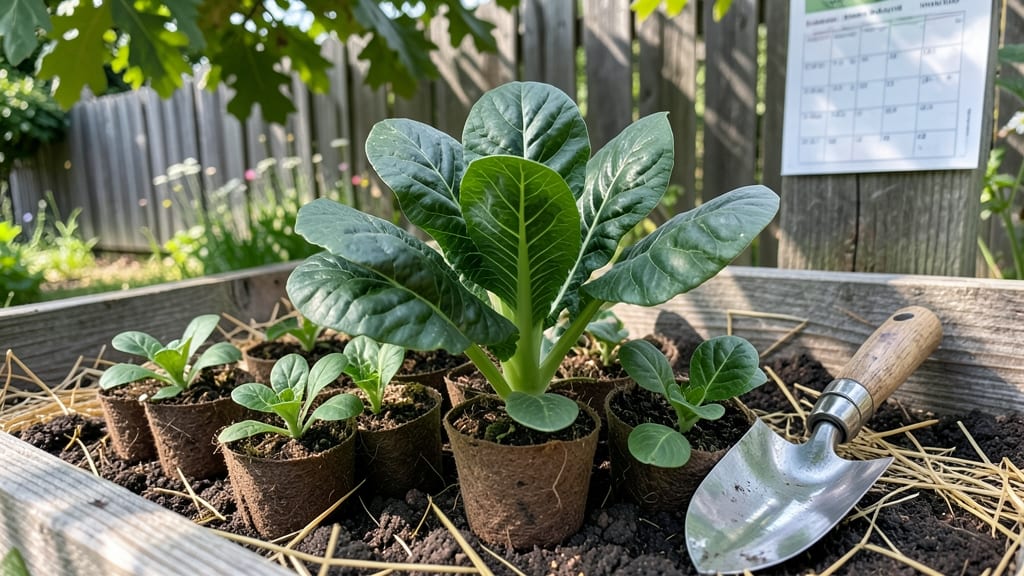
Timing your collard greens planting in South Carolina (SC) can mean the difference between a bountiful harvest and bitter disappointment—especially when those frost-sweetened leaves turn to mush or bolt too soon. The key isn’t just avoiding frost; it’s playing the heat and humidity game right, too.
Here’s the secret: plant your 🥬 collard greens in mid-February to early April for spring or August to early September for fall, when SC’s USDA Zone 8a climate cools just enough to prevent bolting.
Skip the summer heat, or you’ll get tough, stringy leaves faster than you can say “pesto fail.”
Why does this matter? Because collards are cold-hardy but hate summer’s sweltering embrace. Get the timing wrong, and you’ll either freeze your plants or watch them race to flower before you’ve even harvested a single leaf.
I’ll show you exactly how to nail those planting windows—plus frost dates, soil tips, and even companion plants—to keep your collards thriving from April to November.
Ready to grow collards that taste like they were picked yesterday? Let’s dive into the zero-bolt, frost-proof planting schedule that works for SC’s quirky climate—no guesswork, just greens.
South Carolina frost dates & collard greens planting zones explained
South Carolina’s USDA Hardiness Zones 7a-8b create perfect conditions for collard greens, but timing is everything. The average last frost date in most of SC falls around February 15, while the first frost typically arrives November 15.
These dates bookend your ideal planting windows for this cold-hardy leafy green.
Collards thrive in cool weather and actually sweeten when exposed to light frost. However, planting too early in Zone 7a (Upstate SC) risks soil temperatures staying too cold for germination, while Zone 8b (Coastal SC) can experience unpredictable heat spikes that trigger bolting.
Understanding your specific microclimate is key to avoiding these pitfalls.
Here’s how SC’s frost dates translate to planting success:
| Zone | Last Frost | First Frost | Ideal Planting Window | Key Consideration |
|---|---|---|---|---|
| 7a (Upstate) | Feb 15-March 1 | Nov 1-Nov 15 | Mid-Feb to early April | Wait for soil temps to reach 50°F+ |
| 7b (Piedmont) | Feb 1-Feb 15 | Nov 10-Nov 20 | Late Jan to early May | Use row covers for early starts |
| 8a (Midlands) | Jan 25-Feb 10 | Nov 15-Nov 25 | Late Jan to early May | Monitor heat spikes in spring |
| 8b (Coastal) | Jan 15-Feb 5 | Nov 20-Dec 1 | Late Jan to late April | Prioritize shade in summer months |
The 140-day growing season in SC gives you two prime planting opportunities: fall (for winter harvests) and early spring (for summer harvests). Fall-planted collards benefit from SC’s cool, moist winters, while spring plantings should be timed to avoid the dog days of summer when temperatures exceed 90°F.
For Zone 7a gardeners, I recommend starting seeds indoors 6-8 weeks before your last frost date to give seedlings a head start. In Zone 8b, you can often direct-sow as early as late January if you use floating row covers to protect young plants from unexpected cold snaps.
Pro tip: Use a soil thermometer to confirm ground temps are above 50°F before planting. Collard seeds won’t germinate well in colder soil, even if air temperatures are mild. This simple tool can save you from weeks of waiting for sprouts!
Remember that collards are biennial, meaning they’ll often survive SC winters to produce even larger leaves in their second year. With the right timing, you can enjoy harvests from October through March with minimal effort after the initial planting.
🌱
Best planting timing for collard greens in SC: month-by-month guide
South Carolina’s USDA Zone 8a climate gives you two prime windows to plant collard greens: spring and fall. Each season has unique temperature thresholds that determine success—so let’s break it down by month to avoid bolting or frost damage.
My go-to rule: plant when soil temps hover between 55°F and 75°F—any hotter, and you’ll trigger that dreaded flowering phase.
For spring planting, aim for mid-February to early April, when daytime temps climb but nights stay cool. This gives seedlings time to establish roots before summer’s heat arrives. If you’re in Zone 7a (upstate SC), push planting back to late March to dodge late frosts.
Pro tip: Use row covers for extra protection if temps dip below 25°F—collards can handle light frost but not prolonged freezes.
📅 Month-by-Month Planting Timeline for SC
- February: Start seeds indoors or direct-sow in warmed soil (55°F+). Ideal for early spring harvests.
- March: Transplant seedlings outdoors; soil should be 60°F+. Add compost for nutrient boost.
- April: Succession plant every 2 weeks for continuous harvests. Watch for aphids—neem oil helps!
- August: Direct-sow for fall crop. Soil temps should drop below 80°F to prevent bolting.
- September: Last call for fall planting. Use shade cloth if temps spike above 85°F.
Fall planting is your sweet spot for SC gardeners—August to early September gives collards time to mature before winter. After the first frost (mid-November), leaves sweeten like candy.
But here’s the catch: if you plant too late (after September 15), collards may bolt before harvest. Test soil temps with a thermometer—aim for 65°F–75°F for ideal germination.
Don’t overlook succession planting! Sow new seeds every 2–3 weeks in spring or fall to stagger harvests. For example, plant one batch in late February, another in mid-March, and a final one in early September.
This ensures you’re always harvesting tender leaves from April through November. Pair collards with bush beans or radishes to maximize space—beans fix nitrogen, while radishes mark rows neatly.
Watering matters just as much as timing. After planting, keep soil consistently moist (1 inch per week) but avoid soggy conditions. Mulch with straw to retain moisture and suppress weeds—this is non-negotiable in SC’s humid summers.
And remember: morning watering prevents fungal diseases like downy mildew, which thrives in evening dampness. Your goal? Happy plants, zero stress.
If you miss the ideal windows, don’t panic! Collards are perennial in SC, so they’ll often regrow from the base after cutting back. For a last-resort summer crop, plant heat-tolerant varieties like ‘Georgia Southern’ in late July under 50% shade cloth.
Just brace for smaller, tougher leaves—summer collards won’t win any taste tests, but they’ll still produce.