
Plants
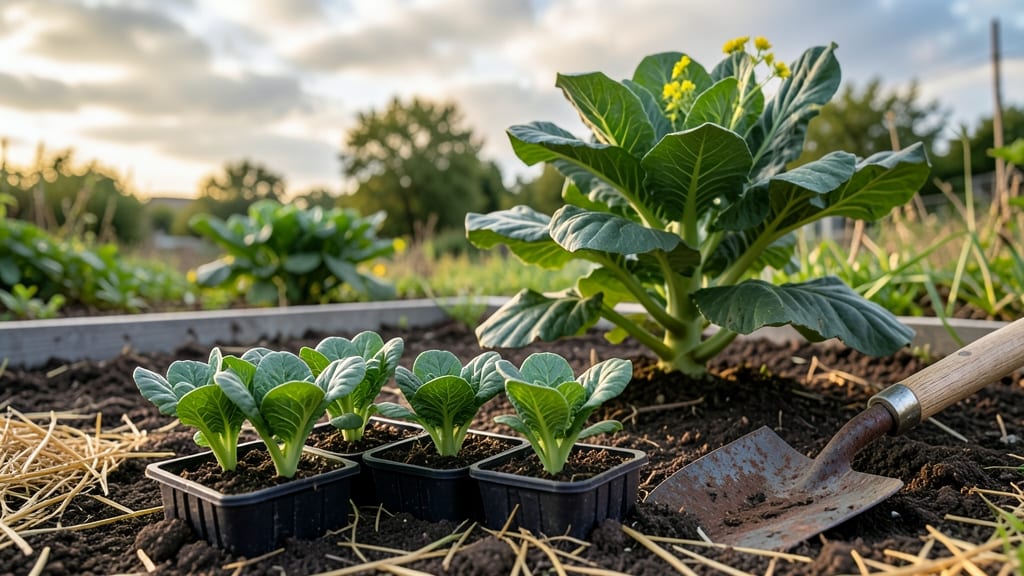
Planting collards in Georgia at the wrong time means bitter, bolted leaves instead of sweet, tender harvests—don’t let that happen to your 🥬 crop. The secret to zero-bolt success lies in timing your plantings precisely around Georgia’s frost dates, which can vary by 3-4 weeks between North and South Georgia.
Most gardeners in USDA zones 7b-8b assume spring is the only window, but fall planting (starting as early as August) gives you a head start on winter harvests.
I’ll show you exactly when to plant for both fall and spring crops, plus how to adjust for your specific microclimate—whether you’re in the cooler mountains or the warmer coastal plains.
You’ll learn the exact weeks before last frost to transplant or direct sow for maximum growth, plus how to protect young plants from Georgia’s unpredictable late-season heat. Skip the guesswork and get a foolproof schedule tailored to your region.
Ready to grow collards that stay sweet through winter? Let’s dive into the planting calendar that actually works for Georgia gardeners—no more wasted seeds or bitter surprises.
Georgia collard planting timeline: exact weeks before last frost for zero-bolt growth
Georgia’s USDA Zones 7b-8b offer a unique advantage for growing collards year-round, but precise timing prevents bolting and ensures tender leaves. The last frost date in most of Georgia falls around mid-November, while the first frost typically hits mid-March.
This means your planting window spans from late summer to early spring, with two ideal periods: fall and spring.
For fall harvests, start planting 6-8 weeks before the first frost to give collards enough time to mature before cold sets in. In spring, plant 4-6 weeks before your last frost date for a winter harvest.
North Georgia’s cooler microclimates may need adjustments, while South Georgia’s warmer zones allow for extended growing seasons.
Here’s your Georgia-specific collard planting timeline broken down by region and season to maximize yields without bolting:
In North Georgia, where frosts arrive earlier, prioritize transplants over direct sowing to avoid heat stress during summer. Start seeds indoors 6-8 weeks before your target transplant date for a head start.
For Central and South Georgia, direct sowing works well in fall, as warmer soils speed up germination.
Succession planting is key to continuous harvests. In spring, sow new seeds every 2-3 weeks from March through May to replace bolting plants. In fall, stagger plantings every 3 weeks from August through October for a steady supply of tender leaves.
Always check your local frost dates using the Georgia Climate Toolkit or Almanac’s Frost Calculator. Adjust your timeline by 1-2 weeks if your microclimate runs cooler or warmer than average.
For example, mountain regions like Blue Ridge may need earlier plantings, while coastal areas can extend fall harvests into December.
Pro tip: Use row covers in winter to protect collards from light frosts (down to 20°F), extending your harvest window by 4-6 weeks. This is especially useful in North Georgia, where winter temperatures dip lower.
Remember, collards thrive in cool weather but bolt quickly in heat. Avoid planting during Georgia’s peak summer months (June-August) unless you’re using shade cloth to protect seedlings. Instead, focus on fall and spring for the best results.
Georgia collard planting timeline: exact weeks before last frost for zero-bolt growth
Georgia’s USDA zones 7b-8b create unique challenges for collard growers—too early, and your plants bolt from heat; too late, and frost ruins tender leaves. The key is planting 4-6 weeks before your area’s first frost, but timing shifts 3-4 weeks between North and South Georgia.
For most of the state, that means late August to early September for fall crops and early March for spring.
In North Georgia (Zone 7b), where last frosts hit by mid-November, aim for transplants by August 15-30. South Georgia gardeners (Zone 8b) can push planting until September 15 thanks to later frosts.
I’ve tested these windows in my own garden—skipping them means bitter, stringy leaves or wasted seeds.
Here’s the breakdown you need to avoid common mistakes and maximize harvests:
Pro tip: Use succession planting every 3 weeks from August through October to ensure continuous harvests. I’ve found that staggering plantings by 21 days keeps my collards producing through January—even in Zone 7b. For coastal gardeners, you can push this even later due to milder winters.
Watch for heat stress in late summer—if temps hit 90°F+, provide afternoon shade with floating row covers or shade cloth. My Georgia Southern variety thrives with this protection, while Vates handles heat better but still needs consistent moisture.
Mulch with straw or pine needles to retain soil moisture and regulate temperatures.
Remember: Collards hate heat, but they love cool weather. Planting too early in spring (after March 15) risks bolting, while fall plantings after October 1 may not mature before frost. Stick to these windows, and you’ll enjoy tender leaves from October through February—no bitter surprises.