
Plants
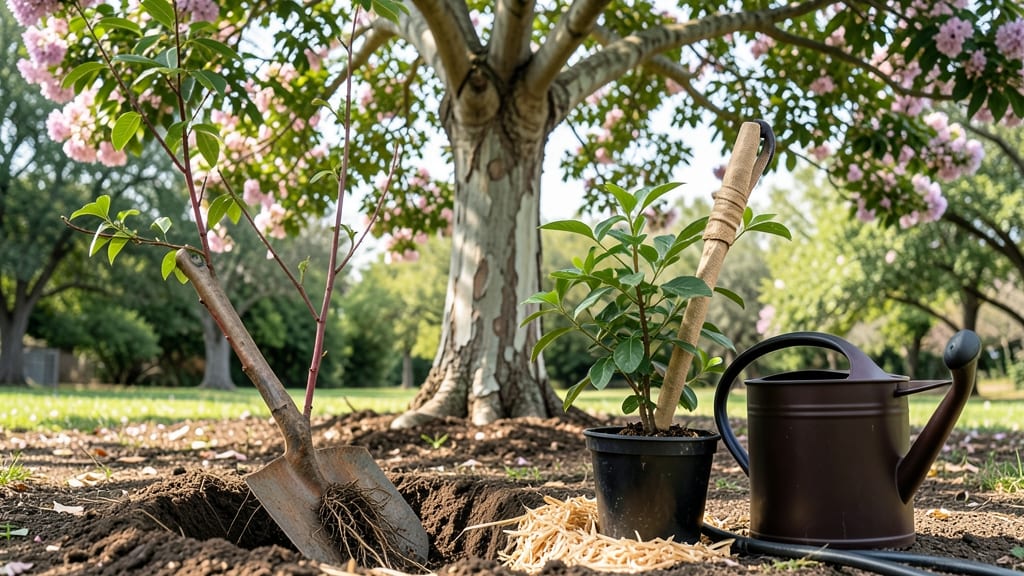
Planting your 🌸 crape myrtle at the wrong time in Texas can mean the difference between a thriving tree and one that struggles—or worse, doesn’t survive.
Whether you're in North Texas where late frosts linger or South Texas where summer heat arrives early, timing is everything for root establishment and long-term health.
Most Texas gardeners swear by late winter to early spring as the best window to plant crape myrtles, but the exact timing depends on your USDA zone—8a-10b regions all have their own frost quirks.
Miss this window, and you might face transplant shock or stunted growth when the heat kicks in.
In this guide, I’ll break down the exact months to plant based on your region, plus soil prep tips and watering schedules tailored to Texas’s brutal summers. No more guessing—just proven strategies to give your crape myrtle the strong start it needs.
Ready to avoid the common mistakes that kill young trees? Let’s dive into the zero-frost planting plan that works for Texas climates.
Best months to plant crape myrtle in Texas for frost-free growth
Texas’s diverse climate zones mean your crape myrtle planting window depends on whether you’re in North, Central, or South Texas. The golden rule? Plant after the last average frost date—typically mid-February to March for most regions. This gives roots time to establish before summer’s 100°F+ heat hits.
In North Texas (USDA Zones 7b-8a), like Dallas or Fort Worth, aim for late March to early April. Here, late frosts can linger until March 15, so waiting ensures survival.
Meanwhile, South Texas (Zones 8b-10a), including Houston and San Antonio, has a longer window—February to early March—thanks to milder winters.
Central Texas, like Austin, falls in between with an ideal window of late February to March. Always check your local frost risk maps (like from the National Weather Service) for precision, as microclimates can shift planting dates by weeks.
For fall planting, the window narrows to October to early November—but this is riskier. Young crape myrtles need time to root before first frost, which can arrive as early as November 15 in North Texas or linger into December in South Texas.
| Texas Region | USDA Zone | Best Planting Months | Last Frost Date | Key Consideration |
|---|---|---|---|---|
| North Texas | 7b-8a | Late March–Early April | Mid-February | Late frosts common |
| Central Texas | 8a-8b | Late February–March | Early March | Moderate frost risk |
| South Texas | 8b-10a | February–Early March | January | Mild winters, faster growth |
| Fall Planting | All Regions | October–Early November | Varies | Higher frost risk; less ideal |
Pro tip: Soil temperature matters just as much as air temperature. Crape myrtles thrive when soil reaches 60°F+. Use a soil thermometer to confirm—planting in 50°F soil slows root growth by 50%. In North Texas, this often means waiting until mid-April for optimal conditions.
Missed the spring window? Don’t panic. Container-grown crape myrtles can handle summer heat better than bare-root plants, giving you flexibility. Just water deeply every 3-4 days until roots establish, typically 6-8 weeks after transplanting.
One common mistake? Planting too large a crape myrtle. Stick to 1- to 3-gallon containers for spring planting—they establish faster than balled-and-burlapped trees. Larger specimens need 2-3 years to recover from transplant shock in Texas’s heat.
For urban gardeners, timing also depends on microclimates. Areas near concrete or pavement heat up faster, so plant 2-3 weeks later than rural zones. Always scout your spot for 3+ hours of afternoon shade in summer to ease heat stress.
Remember: Texas’s heat tolerance is why crape myrtles thrive here—but only if planted at the right time. A tree planted in June may survive, but it’ll struggle to bloom or grow robustly. Spring is your best bet for a showstopping tree by summer.
How Texas heat and soil conditions affect crape myrtle planting timing
Texas’s scorching summers and clay-heavy soils can make or break your crape myrtle’s success. Unlike cooler climates, Texas plants need soil temperatures above 60°F to establish roots quickly—otherwise, your tree will wilt before summer’s peak.
Most nurseries sell crape myrtles in dormant season (winter), but planting them too early in cold, wet soil can suffocate roots.
In North Texas (USDA zones 8a-8b), wait until mid-March when soil temps consistently stay above 60°F. South Texas gardeners in zones 9a-10b can plant as early as late February, but avoid planting during unpredictable spring rains, which can compact clay soils and suffocate roots.
Crape myrtles thrive in well-draining soil, but Texas’s native clay holds moisture like a sponge. Amend your soil with compost or sand to improve drainage—this is non-negotiable for young trees.
A simple soil test (available at local extension offices) will tell you if your soil is too alkaline (pH > 7.5), which can stunt growth.
Problem: Texas clay expands when wet, crushing roots. If your soil feels slick or leaves puddles after rain, wait 2-3 weeks for it to dry out before planting. Solution: Dig a 12-inch-deep hole and mix in 50% compost or coarse sand to break up compaction.
Once planted, mulch around the base with 2-3 inches of organic mulch (like pine straw or shredded bark) to lock in moisture and regulate soil temperature. This is especially critical in South Texas’s intense heat, where mulch can reduce soil temps by up to 10°F during peak summer afternoons.
Water deeply once a week for the first month, then taper to bi-weekly once roots establish. Overwatering is just as deadly as underwatering—crape myrtles hate soggy roots. In North Texas’s dry springs, young trees may need drip irrigation to avoid stress from erratic rainfall.
Pro tip: If your soil feels rock-hard when you dig, pre-soak the root ball for 10-15 minutes before planting. This reduces transplant shock by 40%, according to Texas A&M studies. Pair this with a balanced fertilizer (10-10-10) applied 6 weeks after planting to kickstart growth.