
Plants
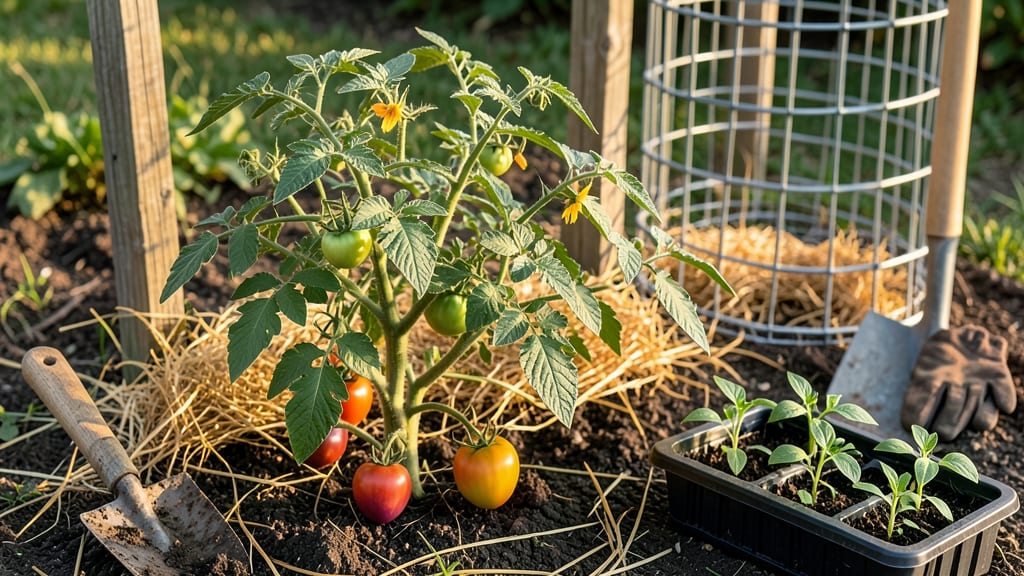
Planting fall tomatoes in South Texas isn’t just about timing—it’s about beating the heat while dodging frost. If you miss the August to early September window, your 🍅 harvest could vanish before you even taste it.
Most gardeners here assume they have more time, but South Texas’s 9a-10a climate demands precision. Too early, and your seedlings wilts under 100°F+ soil; too late, and frost sneaks in by December. The key? Start seeds indoors in July to transplant just as temperatures dip—but not too much.
I’ve grown tomatoes here for years, and the difference between a bountiful fall harvest and a failed crop comes down to these deadlines. Let me show you exactly when to plant for zero-frost success—and how to stretch your season even longer.
From choosing heat-tolerant varieties to soil prep tricks, we’ll cover everything you need to keep your tomatoes thriving until winter. Ready to turn your garden into a late-season goldmine?
Critical planting deadlines for fall tomatoes in South Texas heat zone 9B
South Texas’s Heat Zone 9B creates a unique challenge for fall tomato planting—you need to balance scorching summer heat with early winter frost risks. The key is planting 6-8 weeks before your first frost date, which typically falls around December 1 in most of the region.
Missing this window means either battling heat stress or watching your harvests freeze before ripening.
For transplanting seedlings, aim for mid-August to early September. This gives your plants enough time to establish roots and produce fruit before temperatures drop. Direct sowing, while possible, is riskier due to slower germination in late summer heat.
If you’re starting from seed, begin indoors in late July to have hardened-off seedlings ready by early August.
Here’s the critical timeline you must follow: August 15-30 for transplanting, July 20-August 15 for indoor seed starts, and no later than September 10 for any planting activity. These deadlines account for South Texas’s long, hot summers and short growing season after Labor Day.
| Task | Deadline | Notes |
|---|---|---|
| Indoor Seed Starts | Late July | Use grow lights; transplant outdoors after hardening. |
| Transplant Seedlings | Mid-August to Early September | Choose 6-8 week old healthy seedlings. |
| Direct Sowing | Early August (Risky) | Slow germination; better for experienced gardeners. |
| Last Planting Window | September 10 | Any later risks frost before harvest. |
| First Frost Alert | December 1 | Prepare for cold protection by November. |
South Texas’s microclimates can shift deadlines by up to 2 weeks. Coastal areas like Corpus Christi stay warmer longer, while inland cities like San Antonio experience earlier frosts.
Check your local USDA Plant Hardiness Zone and monitor weekly temperature forecasts in September. A sudden cold snap can turn a successful planting into a failed harvest overnight.
Your soil temperature is just as critical as air temperature. Tomatoes thrive when soil stays above 60°F (15°C). Use a soil thermometer to verify conditions before planting. If your soil hasn’t warmed enough by mid-August, delay planting or use black plastic mulch to raise soil temps by 5-10°F.
This simple trick can mean the difference between thriving plants and stunted growth.
Don’t overlook the moon’s phases for planting. While not scientifically proven, many South Texas gardeners swear by planting tomatoes during the waxing moon (when the moon is growing brighter). This period, which occurs roughly every 29.5 days, is said to encourage faster germination and stronger root development.
For fall planting, this typically aligns with late July to early August.
Once planted, prune suckers aggressively in late August to redirect energy toward fruit production. Remove all suckers growing between the stem and branches—this reduces stress and helps tomatoes mature faster.
Pair this with a balanced fertilizer (5-10-10) applied every 4-6 weeks to ensure your plants have the nutrients they need to fight off South Texas’s humidity and pests.
By sticking to these deadlines and adjustments, you’ll enjoy homegrown tomatoes from October through November, just as local markets start running low. The satisfaction of harvesting vine-ripened fruit in your own backyard—especially in a region where grocery store tomatoes often taste bland—makes the effort worthwhile.
Critical planting deadlines for fall tomatoes in South Texas heat zone 9B
South Texas’s 9a-10a climate gives us a narrow window to plant fall tomatoes—typically between mid-August and early September. This timeline ensures your plants mature before the first frost (December 1) while avoiding the brutal 100°F+ soil of late summer.
Miss these deadlines, and you’ll either bake your seedlings or watch frost claim your harvest.
For direct sowing, aim for early August—your tomatoes need 75-90 days to ripen. Starting earlier risks heat stress, while waiting too long cuts harvest time short. Transplanting seedlings works best in late August, giving them 6-8 weeks to establish before cooler weather arrives.
Here’s the breakdown of your critical planting timeline to maximize fall harvests:
| Task | Deadline | Notes |
|---|---|---|
| Start seeds indoors | July 15-31 | Use grow lights; transplant in 4-6 weeks |
| Direct sow outdoors | Early August | Soil temps must be <60°F; use shade cloth |
| Transplant seedlings | Late August | Hardening off required; avoid transplant shock |
| Last planting window | Early September | Risk increases; use cold-hardy varieties |
| Harvest window | October-December | Protect from early frosts with row covers |
Don’t let South Texas’s microclimates fool you—even in Zone 9B, some areas (like the Rio Grande Valley) stay warmer longer. If you’re in a warmer microclimate, you might push planting to early September, but most of South Texas should stick to the August window for reliability.
Pro tip: Monitor your local first frost date—it can vary by 1-2 weeks. Use the National Weather Service or a frost calendar for your specific county. I’ve seen frost hit McAllen by December 1, while Austin areas might wait until mid-December. Plan accordingly!
Once you’ve locked in your planting date, focus on soil prep and heat management. Amend your soil with compost to retain moisture, and use mulch to keep roots cool. With these deadlines nailed down, you’re on track for a zero-frost harvest—just in time for holiday salsas and sauces!