
Plants
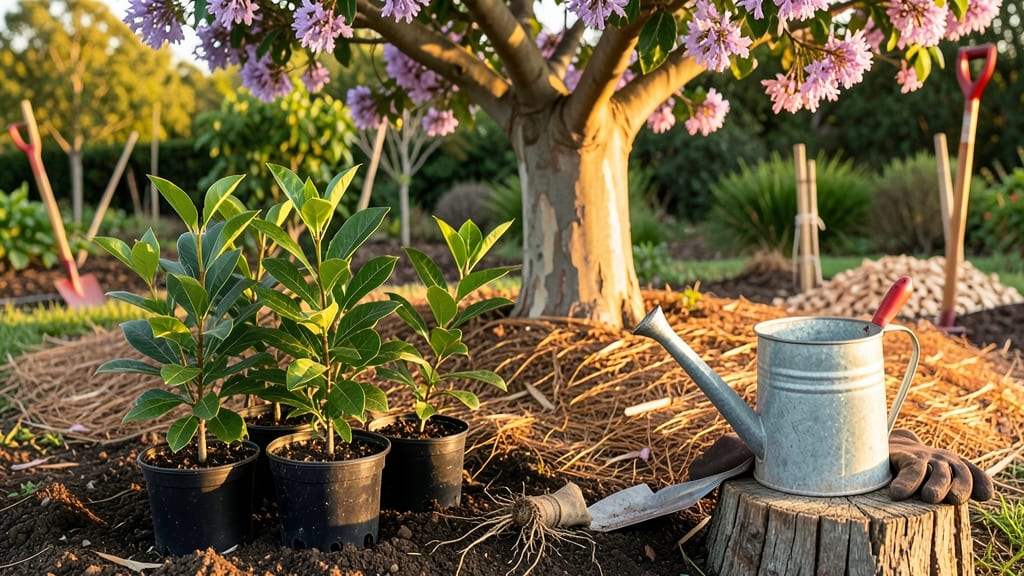
Planting your crepe myrtle 🌸 at the wrong time in North Carolina can mean the difference between a thriving tree and one that struggles to take root. The exact window for planting—whether in spring or fall—depends on your local frost dates, which vary across the state's 7a-8b zones.
If you're in the Piedmont or Mountains, aim for late March to early May after the last frost, giving roots time to establish before summer heat arrives. For Coastal areas, you've got a slightly longer window, but timing still matters to avoid early spring freezes.
Fall planting is another great option, but you'll need to get your crepe myrtle in the ground by early November before the first frost hits. This gives young roots a chance to settle before winter dormancy sets in.
Whether you're a first-time gardener or a seasoned landscaper, knowing these precise planting windows will help you grow a stronger, healthier crepe myrtle that blooms beautifully year after year in North Carolina's unique climate.
Best planting months for crepe myrtle in NC based on frost dates
North Carolina’s diverse climate means the best time to plant crepe myrtle varies by region—from the Coastal Plain to the Mountains. Timing your planting 6-8 weeks before the last frost ensures strong root growth before summer heat arrives.
For most of NC, this translates to late March through early May for spring planting.
Fall planting is equally critical, with September to early November offering cooler soil temperatures and ample time for roots to establish before winter dormancy. In USDA Zones 7a-8b, crepe myrtles thrive when planted outside the frost window, avoiding both early cold snaps and late-season heat stress.
Here’s how NC’s three main regions differ in their ideal planting windows, based on average last frost dates and soil conditions:
| Region | Last Frost Date | Spring Planting Window | Fall Planting Window | Soil Temp Threshold |
|---|---|---|---|---|
| Coastal Plain (Zones 8a-8b) | March 1-15 | Late February–April | October–November 15 | 60°F+ |
| Piedmont (Zones 7b-8a) | March 15–April 1 | Late March–May 1 | September 15–October 31 | 55°F+ |
| Mountains (Zones 7a-7b) | April 15–May 1 | May 1–June 1 | September 1–October 15 | 50°F+ |
For Coastal NC, crepe myrtles can handle earlier planting due to milder winters, while the Mountains require waiting until after April 15 to avoid late frosts. Always check your local Almanac frost dates or use a soil thermometer to confirm 60°F+ soil temps before planting.
Pro tip: If you’re in a microclimate (like a frost pocket in the Piedmont), err on the side of planting 2-3 weeks later than the regional average. Crepe myrtles are forgiving, but root shock from early cold can set them back for years.
Fall planting in NC offers a second chance for stronger root systems before winter. Aim to plant 6-8 weeks before the first frost, which in most of NC falls between November 1-15. This gives roots time to establish without competing with summer heat or winter dormancy.
One common mistake? Planting in June or July when NC’s summer heat spikes. Young crepe myrtles struggle to establish roots in 90°F+ soil, leading to transplant shock. If you miss spring/fall, opt for container-grown trees in summer—their established root balls handle heat better.
For bare-root crepe myrtles, spring planting is ideal because the tree’s dormant state reduces stress. In fall, water deeply after planting to help roots adjust before winter. Always mulch around the base (2-3 inches) to retain moisture and regulate soil temperature.
🌿
Signs your NC soil and climate are ready for crepe myrtle planting
Before you dig into planting your crepe myrtle, check if your NC soil and climate are truly ready. The perfect planting moment depends on soil temperature, moisture, and weather patterns—especially in North Carolina’s varied regions. Ignoring these signs can stress your young tree and delay its growth.
One of the first clues is soil temperature. Crepe myrtles thrive when the ground reaches at least 60°F (15°C). Use a soil thermometer to check—if it’s cooler, wait a few more weeks.
In Coastal NC, this might be early March, while Mountain regions could need to wait until late April.
Next, observe the moisture levels in your soil. Well-draining but consistently moist soil is ideal. If your soil feels dry or sandy, amend it with organic matter like compost to retain moisture. Overly soggy soil can lead to root rot, so avoid planting in low-lying areas where water pools.
Watch for local weather forecasts too. A stretch of warm, dry days with no frost in the forecast is your green light. In Piedmont NC, this often aligns with late March to early April, while Western NC may need to wait until May due to later frost risks.
Another key sign is the emergence of other spring plants. If your daffodils and crocuses are blooming, it’s likely safe to plant. These flowers are early indicators that the last frost has passed in most of the state.
If you’re planting in fall, aim for September to early November when soil temperatures drop below 70°F (21°C). Look for cooler nights and stable weather—these conditions help roots establish before winter dormancy.
For extra confidence, use a planting calendar tailored to your NC county. Local extensions offices often provide frost-free date averages. This ensures you’re planting at the optimal time for your specific microclimate.
Don’t rush—patience pays off with a healthier, faster-growing crepe myrtle that thrives in your North Carolina landscape. 🌿
| Sign | What It Means | Action |
|---|---|---|
| Soil Temp ≥60°F (15°C) | Roots can establish without chilling. | Plant now—ideal for spring. |
| Moist but well-draining soil | Prevents root rot and drought stress. | Amend soil if needed; proceed. |
| No frost forecast for 2 weeks | Safe from late frosts in NC. | Perfect planting window. |
| Daffodils/crocuses blooming | Natural indicator of last frost. | Good time to plant in most NC. |
| Soil Temp ≤70°F (21°C) in fall | Roots can harden before winter. | Plant in fall for strong roots. |
Pro tip: If you’re unsure, test your soil’s pH too. Crepe myrtles prefer a slightly acidic to neutral range (6.0-7.0). Adjust with lime or sulfur if needed before planting. A quick soil test kit makes this easy and ensures your tree gets off to the best start possible.
Timing your planting right isn’t just about the calendar—it’s about reading your local environment. When you see these signs, your crepe myrtle will thank you with vibrant blooms and strong growth all season long. 🌸