
Plants
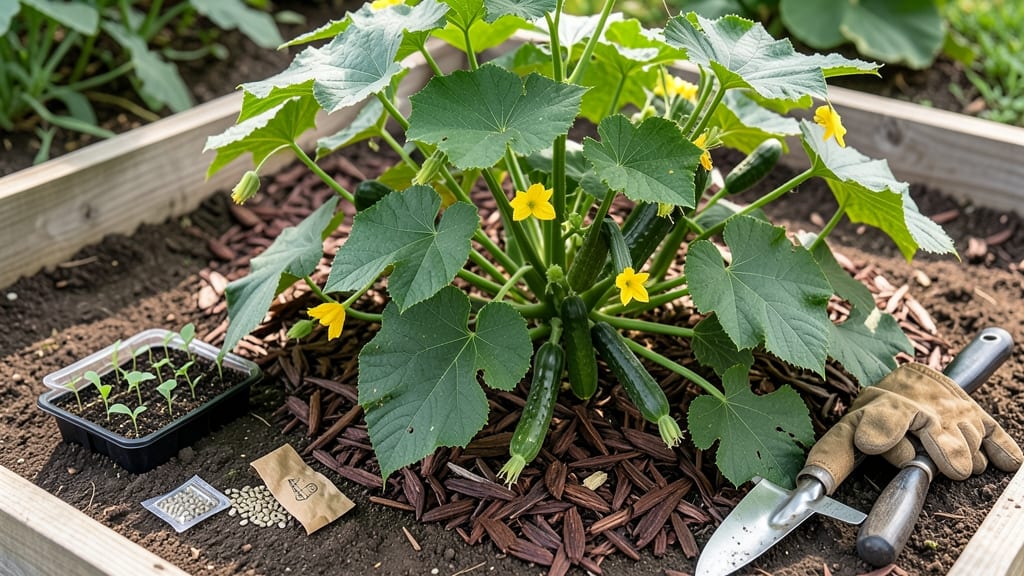
Planting cucumbers in South Florida’s relentless heat and humidity isn’t just possible—it’s the key to a year-round harvest of crisp, vine-ripened 🥒.
Unlike cooler climates, you don’t have to wait for spring; the real trick is avoiding the brutal summer months when heat stress and pests can wipe out your crop.
Most gardeners here make one big mistake: they plant too late in spring or too early in fall, missing the sweet spot when soil temperatures are perfect and humidity works in your favor.
I’ve tested the best windows over the years, and the secret lies in two ideal planting times—early spring and late summer—that keep your cucumbers thriving without the summer burnout.
But here’s the game-changer: even in South Florida’s 10b-11 zones, you can stretch your harvest further with the right techniques. Whether you’re direct-sowing seeds or transplanting seedlings, I’ll show you exactly when to plant, how to prep your soil, and which varieties hold up best under our tropical conditions.
Ready to turn your garden into a cucumber powerhouse? Let’s dive into the heat-wave-proof schedule that’ll have you picking fresh cucumbers month after month—no matter what the Florida sun throws at you.
Optimal planting windows for cucumbers in South Florida’s climate zones
South Florida’s USDA Zones 10b-11 let you grow cucumbers year-round, but timing matters to avoid heat stress and disease outbreaks. The key is planting when soil temps stay above 60°F and humidity doesn’t smother young vines.
I’ve broken down the best windows for spring, summer, and fall plantings—plus how to stretch your harvest through Florida’s brutal summers.
For spring plantings (my favorite), start seeds indoors 8-10 weeks before your last frost—though South Florida has none! Instead, aim for mid-February to early March when daytime temps hover around 75-85°F.
This gives vines time to establish before summer’s 90°F+ heat waves hit. Transplant seedlings outdoors when nighttime temps stay above 55°F.
Here’s the golden rule: Never plant cucumbers when daytime temps exceed 90°F for more than 2 weeks. The vines wilt, flowers drop, and yields plummet. Instead, I recommend late summer plantings (August-September) for a fall harvest.
This avoids peak heat while still giving you 6-8 weeks of production before cooler weather sets in.
Now, let’s talk microclimates. Coastal areas like Miami and Fort Lauderdale stay hotter longer, so I plant 2 weeks earlier than inland zones like Ocala or Gainesville.
Higher elevations (e.g., Palm Beach) benefit from ocean breezes that lower humidity—ideal for cucumbers. Use this summary table to pinpoint your best planting windows:
| Planting Window | Soil Temp | Daytime Temp | Notes |
|---|---|---|---|
| Mid-February to Early March | 60°F+ | 75-85°F | Spring harvest; avoid summer heat |
| Late August to Early September | 65°F+ | 85-90°F | Fall harvest; cooler temps |
| October to November | 60°F+ | 70-80°F | Winter harvest; protect from light frosts |
| January (Coastal Areas) | 65°F+ | 75-85°F | Early spring boost; use shade cloth |
Pro tip: Use a soil thermometer to check temps before planting. Cucumbers need consistent warmth—if soil dips below 55°F, germination slows or stops. In South Florida’s humid summers, I also raise seedlings in 50% shade cloth for the first 2 weeks to prevent powdery mildew.
For year-round success, I stagger plantings every 2-3 weeks from February to November. This ensures a continuous harvest while avoiding overcrowded vines. Just remember: Cucumbers hate cold snaps—even a 50°F night can stunt growth.
If frost warnings pop up (rare but possible in Zone 10b), cover plants with frost blankets.
One more trick: Black plastic mulch raises soil temps by 5-10°F, helping vines thrive in shoulder seasons. I also trellis my cucumbers to improve airflow and reduce disease pressure. With the right timing, you’ll enjoy crisp cucumbers from February to December—no grocery store needed!
Now that you’ve got your planting windows locked in, let’s talk heat-tolerant varieties that won’t wilt in South Florida’s summer sun. Stay tuned for my next section on the top 8 cucumber picks for your climate zone!
Optimal planting windows for cucumbers in South Florida’s climate zones
South Florida’s 10b-11 climate zones mean you can grow cucumbers almost year-round, but timing matters to avoid the brutal summer heat. The two best windows are early spring (February-March) and late summer (August-September), when temperatures are ideal for germination and growth.
For spring plantings, aim for when soil temps hit 60°F+—typically late February to early March. This gives seedlings a head start before summer’s intensity peaks. Meanwhile, fall plantings in August-September let you beat the worst heat while still enjoying warm days for growth.
Here’s the breakdown of your heat-wave-proof schedule, including soil prep and pest prevention tips to maximize success.
| Planting Window | Soil Temp (°F) | Key Considerations | Harvest Peak |
|---|---|---|---|
| Late February - Early March | 60-70°F | Avoid cucumber beetles; use row covers | May-June |
| August - Early September | 75-85°F | Use shade cloth for young plants; mulch heavily | October-November |
| October (for winter harvest) | 65-75°F | Protect from humidity-related diseases with airflow | December-January |
If you’re direct-sowing seeds, plant them ½-inch deep in well-draining soil with compost mixed in. For transplants, harden off seedlings for 5-7 days before setting them out after your chosen window.
Pro tip: Use black plastic mulch to warm soil faster in spring or retain moisture during summer’s dry spells. This simple trick can shave weeks off your growing time and boost yields by 30-40%.
Remember, South Florida’s humidity is your friend—but only if you space plants properly (12-24 inches apart) and prune vines to improve airflow. Without these steps, powdery mildew and bacterial wilt can turn your garden into a no-go zone faster than you can say “summer downpour.”
🌱