
Plants
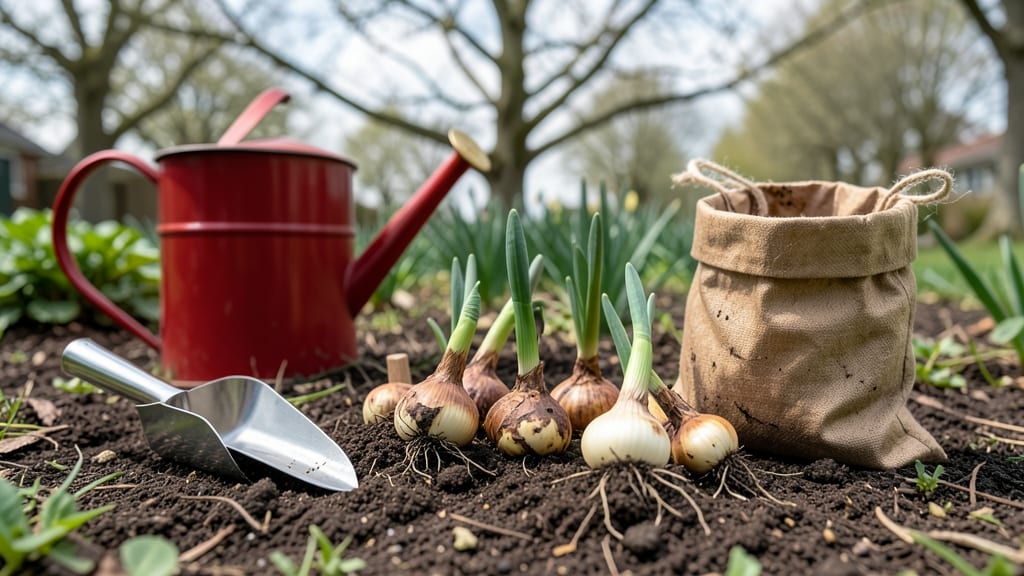
Planting daffodils in California isn’t one-size-fits-all—coastal gardens in USDA Zone 10a can tuck them into the ground in December, while inland areas in Zone 7b need them in the soil by November to survive winter chills.
Get the timing wrong, and you might end up with sad, stunted blooms—or worse, bulbs that rot before they ever show their faces.
Here’s the trick: daffodils need a period of cold to bloom beautifully, but they also hate soggy soil and sudden freezes. Whether you’re in frost-free San Diego or a chilly valley near Sacramento, the right window ensures your 🌼 daffodils pop up vibrant and strong next spring.
I’ll break down exactly when to plant based on your microclimate—so you can skip the guesswork and enjoy those cheerful yellow trumpets come March.
Most gardeners assume "fall planting" means a single month, but California’s climate zones stretch that window from October through January. The key? Planting 4-6 weeks before the first frost (or when soil temps hit 60°F in frost-free zones).
I’ll show you how to adjust for early bloomers, late bloomers, and even high-altitude pockets where frost sneaks in unexpectedly.
Ready to transform your garden into a springtime daffodil parade? Let’s dive into the exact dates, soil prep secrets, and care tips tailored to your corner of California—so your bulbs thrive, not just survive.
Optimal daffodil planting dates by California climate zone
California’s microclimates create a puzzle for daffodil growers. Coastal areas like San Diego rarely see frost, while inland valleys like Sacramento can drop below freezing. Your planting window depends on USDA zones 7–11 and whether your area gets frost.
The golden rule? Plant 4–6 weeks before your region’s first frost—or in early winter if you’re frost-free.
For coastal California (zones 9b–10a), where winters are mild, you’ve got flexibility. Plant daffodils from October through December. In frost-prone inland areas (zones 7b–9a), aim for October to early November to ensure bulbs establish roots before cold snaps.
Desert regions like Palm Springs can even plant in January for spring blooms.
Timing matters because daffodils need 4–6 weeks of winter chill (40–50°F) to bloom. Plant too late, and they won’t get enough cold. Plant too early, and bulbs may rot in wet soil or sprout prematurely. The key is balancing soil temperature (below 60°F) and frost risk.
🌼 California Daffodil Planting Guide by Zone
| Zone | Climate Type | Ideal Planting Window | Notes |
|---|---|---|---|
| 9b–10a | Coastal (mild winters) | October–December | Frost-free; plant anytime in fall. |
| 7b–9a | Inland (cold winters) | October–early November | Avoid frost; aim for 4–6 weeks before first freeze. |
| 10b–11 | Desert (hot winters) | January–February | Plant in cooler months to prevent heat stress. |
🌱 Pro Tip: Use your local USDA zone map or check frost date averages for your city.
If you’re unsure about your frost dates, use local weather records. For example, Los Angeles (zone 10a) rarely sees frost, so you can plant daffodils as late as December. Meanwhile, San Francisco (zone 9b) might get light frosts in January, so plant by November.
Inland cities like Fresno (zone 8a) need bulbs in the ground by October 15th to avoid frost damage.
For high-altitude gardens (e.g., Mount Shasta), plant earlier—by late September—since cold arrives sooner. These areas often have shorter frost-free windows, so prioritize root establishment. Use mulch (straw or wood chips) to insulate bulbs and protect them from temperature swings.
Another trick for coastal gardeners is to plant layered daffodils. Mix early bloomers (like ‘February Gold’) with late bloomers (like ‘Thalia’) to extend your spring bloom season from March to May. This works because coastal winters are mild enough for multiple bloom cycles.
Remember, daffodils thrive in well-draining soil. If your garden holds water, plant bulbs on a slope or raised bed to prevent rot. Amend heavy clay soil with compost or sand to improve drainage.
The goal is to mimic their natural Mediterranean habitat, where winters are cool but not soggy.
Finally, don’t fertilize at planting time. Daffodils store energy in their bulbs, and excess nitrogen can encourage leaf growth over blooms. Wait until spring to apply a balanced fertilizer (5-10-10) when shoots emerge. This ensures your bulbs focus on root development first, leading to healthier spring blooms.
By tailoring your planting schedule to your local climate, you’ll enjoy vibrant daffodils year after year—whether you’re in sunny San Diego or chilly Chico. 🌼
How to adjust planting for early vs. late blooming daffodil varieties
Not all daffodils bloom at the same time, and their timing needs vary dramatically. Early bloomers like ‘Tête-à-Tête’ (dwarf varieties) need to be in the ground earlier—by October—to push through winter and flower in March.
Late bloomers like ‘Ice Follies’ can wait until November or even December in frost-free zones, since they need less chill time to trigger blooms.
For extended spring color, I recommend layered planting: tuck early bloomers in first (October), then add mid-season varieties (November), and finish with late bloomers (December). This creates a non-stop daffodil show from March through May.
Just be sure to space them properly—6 inches apart for standard types, 3 inches for dwarf varieties—to avoid overcrowding as they mature.
Here’s the catch: early bloomers are more sensitive to late-season frosts, while late bloomers might struggle in areas with harsh winters if planted too late. In USDA Zone 7b (e.g., Sacramento), I plant early varieties by October 15 and late types by November 15.
In Zone 10a (e.g., San Diego), I stretch the window to December 1-January 15 for all types.
| Variety Type | Ideal Planting Window | Bloom Time | Zone Adaptability |
|---|---|---|---|
| Early Bloomers (e.g., ‘Tête-à-Tête’) | October 1–November 15 | March–April | Zones 7b–10a (earlier in colder zones) |
| Mid-Season (e.g., ‘Ice Follies’) | November 1–December 15 | April–May | Zones 8a–10a (flexible in mild winters) |
| Late Bloomers (e.g., ‘Papillon’) | December 1–January 15 | May | Zones 9b–10a (frost-free only) |
If you’re in a transition zone (like the Bay Area), I suggest planting early varieties first and monitoring frost forecasts. Use lightweight mulch (like straw) to insulate bulbs if late frosts are predicted.
For late bloomers, prioritize well-draining soil—they hate soggy roots and may rot if planted too late in heavy clay.
Pro tip: Label your bulbs by variety and planting date. This helps track which ones need extra care (like staking for tall varieties) and ensures you can rotate planting locations every 3–4 years to prevent disease.
A simple wooden stake with a marker works perfectly—just tuck it into the soil near each cluster.
Remember, daffodils are perennials, so getting the timing right now means years of effortless blooms. Once established, they’ll naturalize and multiply, creating a self-sustaining spring garden with minimal input from you. Just time it right, and let nature do the rest! 🌼