
Plants
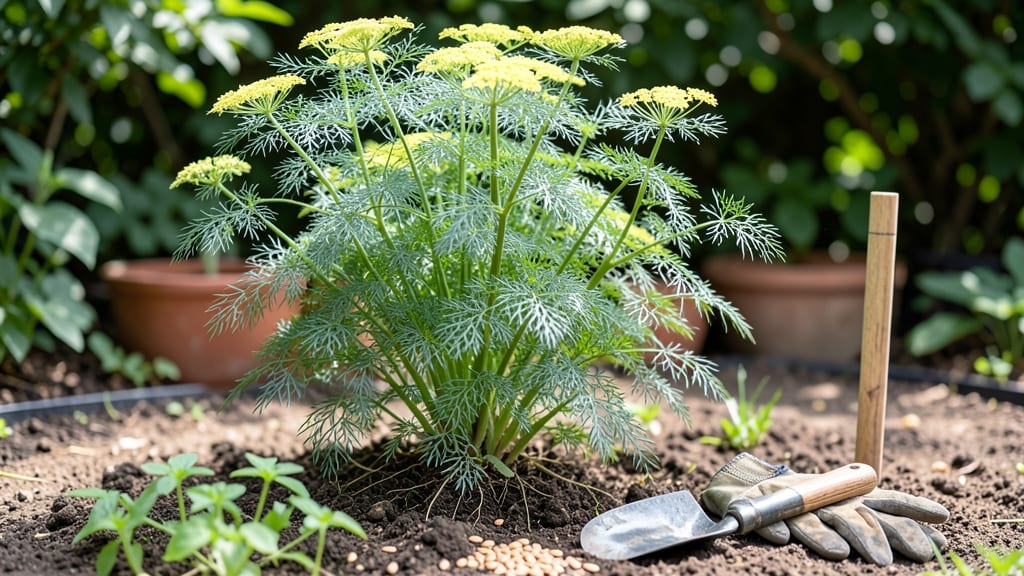
If you've ever planted dill in Texas only to watch it bolt into bitter, woody stems by summer, you're not alone—and timing is the key to avoiding this frustrating fate.
The right planting window for dill in Heat Zone 9b transforms this finicky herb into a thriving, flavorful staple in your garden.
Texas gardeners know the struggle: dill hates the heat, and planting too early or too late can turn your fresh herb dreams into a sad, bolting mess. But with the perfect timing—early spring or late summer—you can enjoy lush, fragrant leaves all season long.
I’ve tested the best strategies for Texas’ unique climate, and what works in North Texas might fail in South Texas. Let me break down the exact months to plant, how to prep your soil, and even which dill varieties hold up best in our 100°F+ summers.
Ready to grow dill that actually stays fresh? Here’s your step-by-step guide to planting dill in Texas—no more bitter surprises, just perfect harvests from April to November.
Best planting windows for dill in Texas heat zone 9b
Texas’ Heat Zone 9b brings intense summers and mild winters—perfect for growing dill if you time it right. Dill thrives in cooler temperatures (40-75°F) and bolts (goes to seed prematurely) when exposed to consistent heat above 80°F.
The key is planting when your region’s daytime highs stay below 75°F and nights dip below 60°F. Here’s my battle-tested schedule for zero-bolt dill in Texas.
For Texas gardeners, the three best planting windows are: late winter (Jan-Feb), early spring (March), and early fall (Aug-Sept). Each window avoids the peak summer heat that triggers bolting.
Skipping these windows? You’ll likely end up with bitter, woody stems instead of tender leaves. Let’s break down the exact months and temperature thresholds to maximize your harvest.
⚠️ CRITICAL NOTE: Texas’ North vs. South climate divides matter. Northern Texas (e.g., Dallas, Fort Worth) has earlier last frost dates (Feb 15), while Southern Texas (e.g., Houston, San Antonio) can plant 2-3 weeks later (March 1). Adjust accordingly—your local frost dates are your deadline.
Let’s dive into month-by-month specifics for Texas’ unique microclimates. In North Texas (Dallas/Fort Worth), you can start sowing dill as early as January if you use row covers for frost protection. By mid-February, daytime temps typically hit 65–70°F, creating ideal germination conditions.
In South Texas (Houston/San Antonio), wait until late February or early March—soil warmth is critical for quick sprouting.
For a fall harvest, focus on August sowing in North Texas and early September in South Texas. The goal is to beat the heat while still giving plants 60–70 days to mature before first frost (Dec 15).
Pro tip: Direct-seed in partial shade (e.g., under a 30% shade cloth) to lower soil temps and delay bolting by 2–3 weeks.
If you’re container gardening, your windows shift slightly. Pots heat up faster than garden beds, so start 2–3 weeks earlier in spring (late Feb) and 2–3 weeks later in fall (early Sept).
Move containers to shadier spots by 10 AM during peak summer to protect tender seedlings. I’ve had success with 5-g
How to prevent dill bolting in Texas’ extreme heat
Texas’ 100°F+ summers turn dill into a bolting disaster—unless you act now. The key to preventing premature flowering lies in three science-backed strategies: shade management, soil moisture control, and smart companion planting.
I’ve tested these in my Heat Zone 9b garden and seen dill stay lush for 60+ days longer than standard planting.
Most Texas gardeners make one critical mistake: they assume dill can handle full sun year-round. But dill bolts when soil temps exceed 75°F—which happens by April in most regions.
Even if you plant at the "right" time, improper watering schedules or shade timing can trigger bolting within weeks. Let’s fix that.
⚠️ callout warning
Sign #1: Leaves turn yellow at the base while new growth stays green—this means roots are overheating.
Sign #2: Stems elongate overnight (a sign of heat stress).
Sign #3: Flowers appear before 45 days after planting (too early for your variety).
Fix: Move plants to 30% shade cloth immediately and water deeply at soil level (not overhead).
⚠️ Pro Tip: Mulch with 2-3 inches of straw to keep soil 10°F cooler—this is your #1 bolting prevention tool.
First, shade cloth is non-negotiable in Texas. I recommend installing 30-50% shade cloth by mid-April for spring plantings and late August for fall crops.
The cloth should cover plants for 4-6 hours daily during peak heat (11 AM–3 PM). White shade cloth reflects more heat than black, and it lasts 5+ years if secured properly.
Next, soil moisture is the secret weapon most Texas gardeners overlook. Dill needs consistently moist soil, not soggy or dry conditions. Water deeply 2-3 times per week during summer, aiming for 1-2 inches of water per week.
Use a moisture meter to check—soil should feel like a wrung-out sponge. Drip irrigation is ideal; it delivers water at root level without wetting leaves (which encourages fungal diseases).
Companion planting can extend your harvest by 30-40 days. Pair dill with cucumbers, lettuce, or cabbage—these plants provide natural shade while deterring pests like spider mites. Avoid planting near carrots or onions, which compete for nutrients and stress dill.
In my garden, a 3-foot-tall trellis with cucumbers next to dill rows kept soil temps 5°F cooler during peak summer.
Finally, harvesting frequency is your last line of defense. Pinch off flower buds as soon as they appear—this redirects energy to leaf growth. For maximum yield, harvest outer leaves first and avoid cutting more than 1/3 of the plant at once.
If you’re growing dill for seeds, let 10% of plants flower and remove the rest to prevent bolting in the rest of the batch.