
Planting
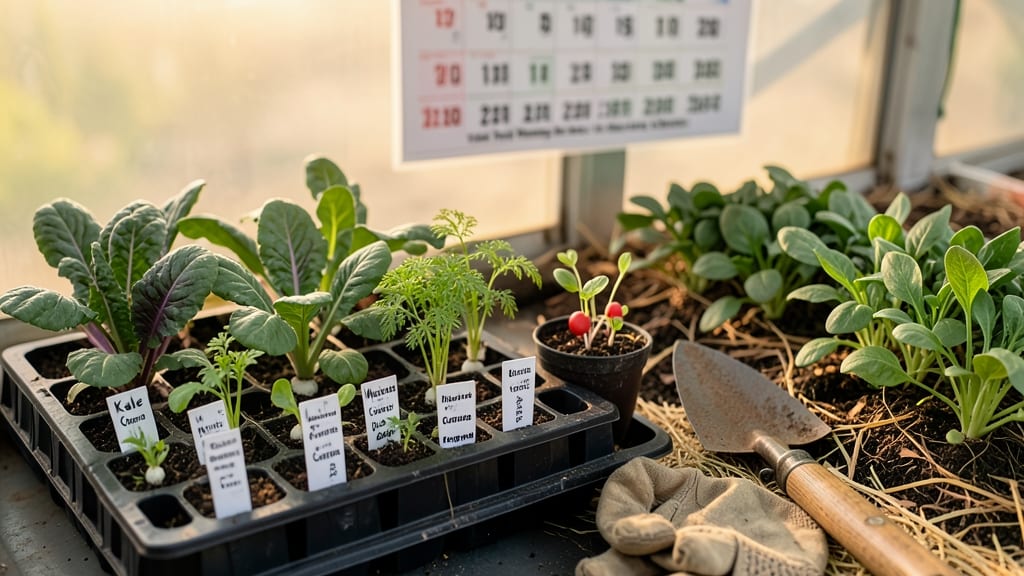
Planting a fall garden in South Texas isn't just about timing—it's about beating the heat and frost to unlock a bounty of fresh, homegrown 🥬.
The scorching summer can trick you into thinking fall crops won't thrive, but with the right schedule, you can turn your garden into a late-season oasis.
Most gardeners here wait until late summer to plant, but the secret to success lies in starting 6-8 weeks before your first frost—typically by early August. This window lets cool-season crops like broccoli and spinach establish roots before temperatures dip, while still giving them time to mature before winter.
What sets South Texas apart is its unpredictable frost dates, which can sneak in as early as December. By planting early, you avoid the rush and ensure your greens, root veggies, and brassicas reach harvest before the cold sets in.
Let’s break down the exact deadlines and strategies to make your fall garden thrive.
Whether you're a seasoned gardener or just starting, these tips will help you extend your harvest well into the cooler months—without the stress of last-minute planting. Ready to turn your garden into a fall feast? Let’s get started.
Critical fall planting deadlines for South Texas heat-zone 9b
South Texas gardeners face a unique challenge: scorching summer heat followed by unpredictable fall frosts. The key to a successful fall garden is planting at the right time to avoid early frost damage while maximizing your harvest before temperatures plummet.
In USDA Zone 9b, the window for planting cool-season crops is tight—typically late July to mid-October, with last-chance opportunities in early November for fast-maturing varieties.
Miss the deadline, and you risk stunted growth or crops bolting in the heat. But plant too early, and your greens may overheat and wilt before cooler weather arrives.
The goal? Time your plantings so harvests coincide with October-November temps, when days are cooler but still frost-free for the most part.
Here’s the critical timeline you can’t afford to miss:
| Planting Window | Ideal Crops | Soil Temp Requirement | Harvest Window | Risk if Missed |
|---|---|---|---|---|
| Late July - Early August | Okra, Sweet Potatoes, Southern Peas | 70°F+ | September - November | Overheating, poor yield |
| Mid-August - Early September | Lettuce, Spinach, Radishes, Carrots | 60°F+ | October - December | Bolting, bitter taste |
| Late September - Early October | Broccoli, Kale, Collards, Turnips | 55°F+ | November - January | Slow growth, frost damage |
| Early November (Last Chance) | Fast-maturing varieties: Arugula, Mustard Greens, Green Onions | 50°F+ | December (before frost) | Frost kills young plants |
Notice how soil temperature drops as we move into fall? Cool-season crops like lettuce and spinach need cooler soil (60°F+) to germinate, while warm-season holdovers like okra thrive in 70°F+. Test your soil with a soil thermometer—if it’s below 60°F, wait a week or two before planting.
Pro tip: Use shade cloth for early plantings to protect seedlings from intense South Texas sun while they establish roots. Even a 30% shade cloth can make a difference in preventing heat stress on young greens.
For maximum yield, aim to harvest your cool-season crops before December 1, when frost becomes a real risk.
If you’re in a cooler microclimate (like the Hill Country), push your last plantings to mid-October—but if you’re near the coast, you might squeeze in a November planting for faster growers.
One common mistake I see? Gardeners planting broccoli or cabbage too late and watching them bolt in the heat. These brassicas need consistent cool temps to thrive—so if your September temps are still in the 90s°F, wait until early October.
Finally, keep an eye on the National Weather Service forecasts for your area. A cold front in late October can drop temps suddenly, so have row covers ready to protect your young seedlings from unexpected chills.
Best fall vegetables for South Texas and their ideal planting times
South Texas’s fall garden thrives when you plant the right vegetables at the perfect time—August through early October—to beat the heat and avoid early frost. The key is choosing heat-tolerant varieties that mature quickly before temperatures dip below 50°F.
Think leafy greens, brassicas, and root crops that love cooler weather but can handle South Texas’s lingering summer heat.
Start with broccoli, kale, and collards—these hardy greens can handle light frosts and even improve in flavor after a few chilly nights. For root crops like carrots and beets, aim for mid-August to early September planting to ensure they mature before December’s first frost risk.
Always check seed packets for days to maturity—a 45-60 day window is ideal for South Texas’s short fall season.
Top 5 Fall Crops for South Texas
- Broccoli – Plant late August to early September (60 days to harvest). Choose De Cicco for heat tolerance.
- Kale – Sow mid-August to October (30-50 days). Winterbor handles frost beautifully.
- Carrots – Start seeds late July to early September (70 days). Danvers thrives in loose soil.
- Spinach – Direct-sow September to early October (30-40 days). Bloomsdale Long Standing is frost-resistant.
- Turnips – Plant August to mid-September (50 days). Purple Top White Globe is dual-purpose.
For succession planting, stagger your sowings every 2-3 weeks to ensure a continuous harvest. For example, plant lettuce in late August, then again in early September, and finally in mid-October for a November harvest before frost hits.
Use shade cloth in late summer to protect young seedlings from intense South Texas sun, which can scorch tender greens.
Don’t overlook herbs like cilantro and dill—they bolt quickly in heat but thrive in fall’s cooler temps.
Plant them late August to September for a fresh harvest before winter sets in. Avoid planting warm-season crops like tomatoes or peppers after mid-August; they’ll struggle as temperatures drop and won’t mature in time.
Pro tip: Test your soil in early August to adjust pH (aim for 6.0-7.0) and add compost for nutrients. South Texas soil can be sandy and nutrient-poor, so a balanced fertilizer (10-10-10) at planting time gives crops the boost they need to thrive.
With the right planting timeline and crop selection, your South Texas fall garden can be just as bountiful as your spring one—if not more so—thanks to the crisp air and fewer pests.
Just remember: the clock starts ticking in August, so don’t wait until September to get your seeds in the ground! 🌱🥬