
Plants
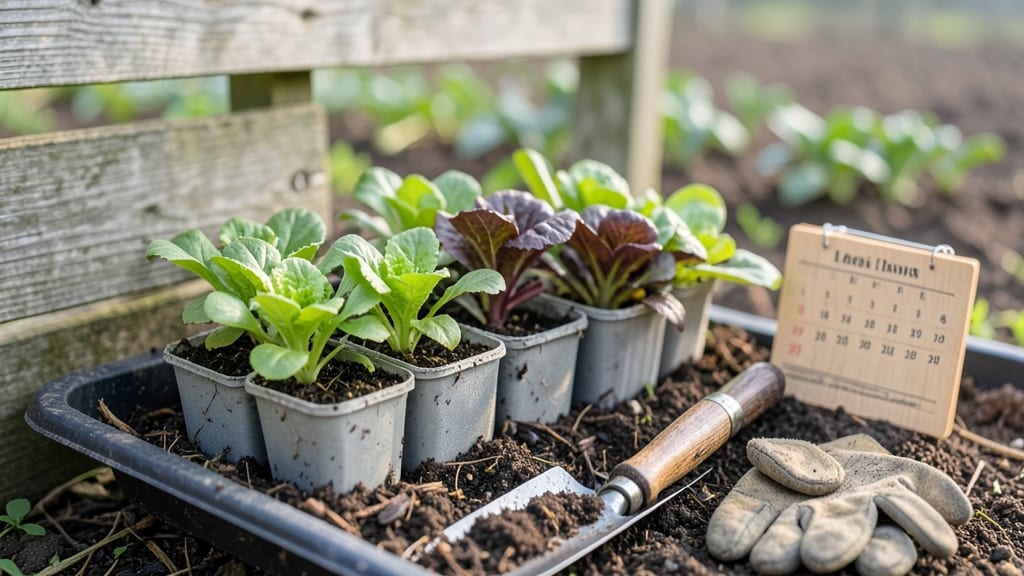
Planting fall lettuce in Zone 6 at the wrong time means either bolting bitter greens or waiting too long for crisp harvests—neither of which you want. The key is timing your 🥬 lettuce just right, so it thrives in cooler weather without rushing toward frost.
I’ve grown fall lettuce for years in 6a-6b, and the difference between a successful harvest and a failed one often comes down to one simple rule: plant your seeds or transplants 6-8 weeks before your first expected frost.
In Zone 6, that window opens in mid-summer and closes by early September—giving your lettuce enough time to mature before temperatures drop. But here’s the catch: not all lettuce varieties play by the same rules.
Heat-tolerant types like Romaine can handle late-summer planting, while delicate butterheads need cooler soil to avoid bolting. I’ll break down the exact dates and variety strategies so you can avoid common mistakes and enjoy fresh greens straight from your garden.
Why does this matter? Because a well-timed fall lettuce crop means fewer trips to the store and more homegrown goodness on your plate. Whether you’re a beginner or a seasoned gardener, knowing when to plant ensures you’ll have crisp, sweet lettuce ready for harvest just as the weather cools.
Let’s get into the details so you can plan your planting schedule with confidence.
From succession planting to adjusting for your specific microclimate, I’ll cover everything you need to know to make this fall’s lettuce harvest your best yet. No more guesswork—just proven strategies for Zone 6 gardeners who want reliable, flavorful greens all season long.

Zone 6 fall lettuce planting timeline: exact dates for success
Timing your fall lettuce planting in Zone 6 is all about math—specifically, counting backward from your first frost date (typically October 15 in most Zone 6 areas).
Lettuce needs 45-60 days to mature, so your last planting window is mid-August to early September for a crisp harvest before winter sets in.
For direct-sown seeds, start as early as late July for heat-tolerant varieties like Black Seeded Simpson, but wait until mid-August for cooler-loving types such as Winter Density. Transplants can go in slightly later, around early to mid-August, since they’re already established.
Here’s the key rule: Plant lettuce 6-8 weeks before your first frost to ensure it matures before cold snaps. In Zone 6, this means August 15-September 1 is your sweet spot for most varieties. Miss this window, and you’ll risk bolting (premature flowering) or stunted growth from early frosts.
Pro tip: Use shade cloth (30-50%) when planting in late July or August to protect seedlings from intense Zone 6 heat, which can cause bolting. Remove the cloth once temperatures drop below 80°F to encourage steady growth.
For butterhead and romaine, aim for a 45-day maturity, while leaf lettuce varieties like Oakleaf can mature in just 30-40 days. This flexibility lets you stagger plantings for a continuous harvest from September through November.
Soil temperature is just as critical as air temperature. Lettuce thrives in 60-70°F soil, so wait until late July to early August when daytime temps consistently drop below 85°F. Use a soil thermometer to confirm—cool roots mean sweet, crisp lettuce.
Don’t forget to harden off transplants for 5-7 days before setting them out. Gradually expose them to Zone 6’s late-summer sun and breezes to prevent shock. This step is especially important if you’re buying seedlings from a nursery.
Extend your harvest even further by choosing cold-hardy varieties like Winter Density, which can tolerate light frosts (25°F) without damage. Pair these with row covers for extra protection if early frosts sneak in.
With these exact dates and tips, you’ll avoid the bitter, bolted lettuce nightmare and enjoy crisp, sweet greens straight from your Zone 6 garden until winter takes over. 🥬
How to adjust planting for fall lettuce varieties in Zone 6
Not all lettuce varieties play well together in Zone 6’s fall climate. Heat-tolerant types like Black Seeded Simpson can handle late summer planting, while cold-hardy varieties such as Winter Density thrive when sown closer to frost.
Your planting strategy depends on the variety—let’s break down the best approach for each.
For heat-tolerant lettuce, start seeds mid-July to early August. These varieties (like Romaine or Buttercrunch) can handle warmer soil temps (up to 85°F) without bolting.
Plant them in partial shade with afternoon shade cloth if temperatures exceed 80°F. This gives them 6-8 weeks to mature before frost hits.
For cold-hardy varieties, wait until mid-August to early September. These types (like Arctic King or Winter Density) can handle light frosts (25-30°F) and even improve in flavor after a light frost.
Plant them in full sun to partial shade and protect with row covers if frost threatens early. They’ll mature in 45-60 days, giving you harvests through November or December in Zone 6.
To extend your harvest, use succession planting. Sow a new batch of heat-tolerant lettuce every 2-3 weeks from July through August. Then, switch to cold-hardy varieties every 3-4 weeks from August through September.
This staggered approach ensures you always have fresh greens—whether it’s crisp romaine in September or frost-sweetened Winter Density in November.
Pro tip: Mix varieties in the same bed! Plant heat-tolerant lettuce on the north side (cooler microclimate) and cold-hardy types on the south side. This creates a natural gradient where both thrive without competing for space.
Just ensure they get consistent moisture—lettuce hates drying out, even in cooler weather.
Remember, soil temperature is just as critical as air temperature. Use a soil thermometer to confirm temps are below 80°F before planting heat-sensitive varieties. For cold-hardy types, aim for soil temps between 45-70°F—this sweet spot prevents bolting while allowing steady growth.
With this variety-specific approach, you’ll avoid the bitter, bolted lettuce trap and enjoy crisp, sweet harvests from late summer through winter. Happy planting—your fall garden is about to become your favorite salad source! 🥬