
Flowers
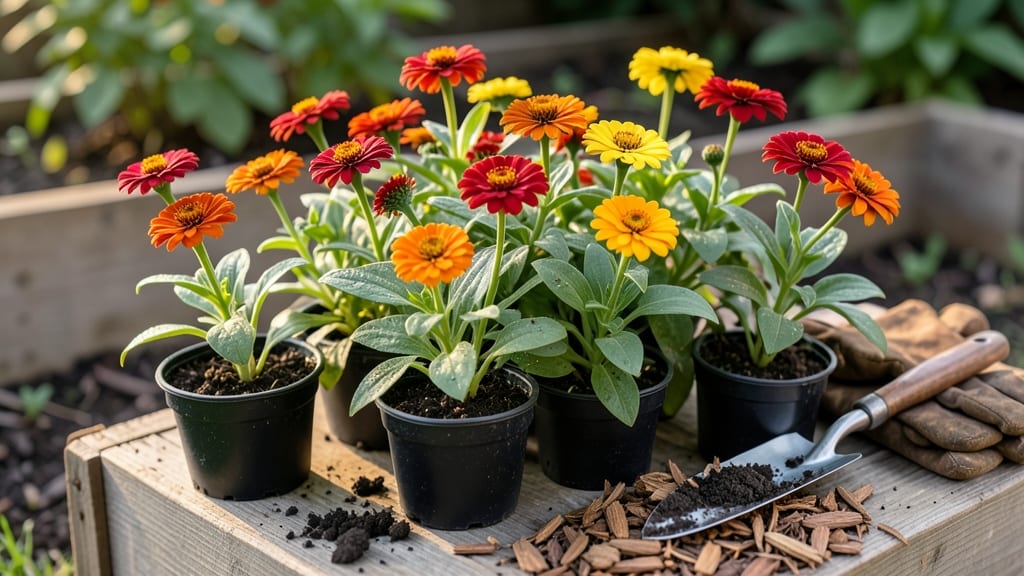
Timing your flower planting in Philadelphia’s USDA Zone 7b climate can mean the difference between vibrant blooms and wilted disappointment—so when exactly should you start?
Most gardeners know spring is prime time for planting 🌸 flowers, but Philadelphia’s unpredictable frost dates (last frost around April 15) mean waiting too long can leave your garden vulnerable.
The secret? Planting in early spring (March–May) gives flowers a head start, while fall planting (September–October) offers a second chance for perennials to establish roots before winter.
Whether you’re sowing annuals for summer color or perennials that return year after year, understanding your local microclimate is key. Urban areas may stay warmer, while suburban spots can get chilly—so we’ll break down the best times to plant for your specific zone.
Ready to transform your garden? I’ll walk you through the ideal planting windows, soil prep tips, and even how to adjust for Philadelphia’s quirks. Let’s get those blooms growing!
Philadelphia’s best flower planting months by season (zone 7b guide)
Philadelphia’s USDA Zone 7b climate offers two prime planting windows for flowers: early spring (March–May) and early fall (September–October). The key is timing these windows to align with your last frost date (around April 15) and first frost (typically November 1).
Planting too early risks frost damage, while waiting too late can stunt growth before winter.
For spring-blooming flowers, start seeds indoors in February (6–8 weeks before last frost) and transplant outdoors in late April. Fall-planted bulbs like daffodils and tulips should go in the ground by mid-October to establish roots before freezing.
Summer annuals, like marigolds, can be sown directly after the last frost.
Soil temperature is critical—most flowers thrive when soil reaches 60°F+. Use a soil thermometer to check before planting. In Philadelphia, this usually happens by mid-April, but cooler microclimates may need adjustments. Mulching after planting helps retain warmth and moisture.
Here’s a quick breakdown of ideal planting months for different flower types:
Philadelphia’s urban heat islands can create microclimates where soil warms faster than suburban areas. If you’re in a city garden, you might plant 2–3 weeks earlier than rural zones. Conversely, windy spots near the Schuylkill River may need delayed planting to avoid frost damage.
For container gardening, start annuals indoors in March to extend your season. Use heat mats to warm soil and row covers to protect tender plants. In fall, mulch heavily to insulate roots before winter.
Pro tip: Mark your last frost date on your calendar and count backward for fall planting. For example, if your first frost is November 1, plant bulbs by September 15 to ensure root establishment. This simple trick saves time and ensures healthy blooms next season.
Now that you’ve got the timing down, let’s dive into the top 5 flowers that thrive in Philadelphia’s climate—and when to plant them for maximum impact. 🌸
Philadelphia’s best flower planting months by season (zone 7b guide)
Philadelphia’s USDA Zone 7b climate means we enjoy a 185-day frost-free season, but frost can still sneak in around April 15 or November 1. To maximize blooms, focus on planting in early spring (March–May) and fall (September–October).
Spring planting gives flowers time to establish roots before summer heat, while fall planting helps perennials settle before winter.
For annual flowers, start seeds indoors 6–8 weeks before the last frost (around February–March) or sow directly after April 15. Perennials and bulbs, however, thrive when planted in fall (September–October), giving them a head start on root growth before winter dormancy.
Here’s a quick breakdown of the best planting windows for each season in Philadelphia:
| Season | Best Planting Months | Key Considerations |
|---|---|---|
| Spring | March–May | Wait until after last frost (April 15) for tender annuals; perennials can go in March–April. |
| Summer | June–July | Focus on heat-tolerant annuals like zinnias or sunflowers; avoid transplanting perennials. |
| Fall | September–October | Ideal for perennials and bulbs; plant 6–8 weeks before first frost (Nov 1). |
| Winter | December–February | Limit to cold-hardy bulbs (e.g., snowdrops) or indoor seed starting. |
Soil temperature is another critical factor. Most flowers need soil to warm to 50–60°F before planting. Use a soil thermometer to check—if it’s still chilly, wait a few weeks or use row covers to protect young plants.
For bulbs like tulips or daffodils, plant them in fall (October) so they establish roots before winter. These hardy plants will reward you with early spring blooms, often appearing as early as March.
Pro tip: If you’re unsure about frost dates, sign up for local alerts from the National Weather Service or use a frost calendar tailored to your neighborhood. Urban areas like Center City may stay warmer than suburban spots, so adjust planting times accordingly.