
Plants
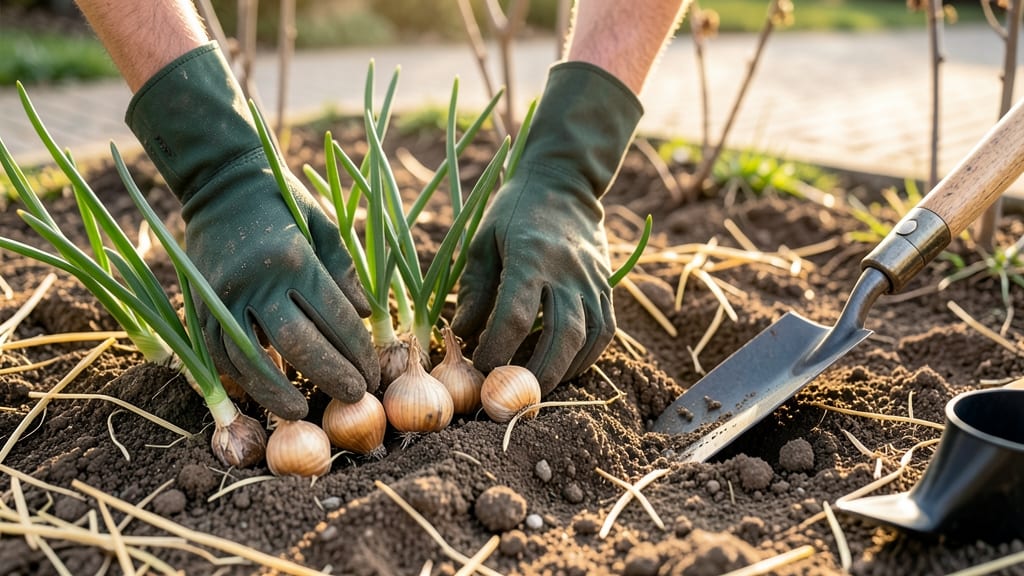
Planting freesia bulbs at the wrong time in Zone 5 can mean the difference between fragrant, show-stopping blooms and a sad, frost-killed disappointment. The key isn't just the calendar—it's matching your bulbs' chill-hour needs with your local frost dates to trigger those signature 🌸 scents and vibrant colors.
Most gardeners in Zone 5 make one of two mistakes: planting too early and risking frost damage, or waiting too long and missing the 6-8 week window before the first frost.
I've learned the hard way that timing is everything—get this right, and you'll enjoy blooms from late spring through summer, even in colder climates.
What you'll discover here is how to sync your planting schedule with soil temperatures (50-55°F), chill-hour requirements, and your specific Zone 5 frost dates. We'll cover the late summer to early fall window that works best, plus how to adjust for early or late-blooming varieties.
Ready to transform your garden with these elegant flowers? Let's dive into the exact planting strategy that'll have your freesias thriving when most Zone 5 gardeners are still waiting for their first blooms.

Zone 5 freesia planting timeline: chill-hours breakdown by month
Freesia bulbs in Zone 5 need 6-8 weeks of cool soil temperatures (50-55°F) before the first frost to establish roots and trigger blooming. This means timing your planting isn't just about the calendar—it's about matching your local frost dates with soil conditions.
In most of Zone 5, the ideal window falls between late August and mid-September, but exact dates vary by location.
For example, in Chicago (Zone 5a), the average first frost hits October 15th, so I aim to plant freesia bulbs by September 1st to give them enough time to root before winter.
Meanwhile, in Pittsburgh (Zone 5b), the frost date is slightly earlier (October 1st), so I adjust my planting to late August for safety.
Here’s the key rule: Plant freesia bulbs when your soil temperature consistently stays between 50-55°F and you have 6-8 weeks left in the growing season. Use a soil thermometer to check—this is the single most reliable way to avoid frost damage while ensuring strong root development.
If you miss the ideal window, don’t panic. You can still plant freesia bulbs in early fall (September) or even late fall (October), but expect smaller blooms or delayed flowering. The critical factor is ensuring the bulbs get enough chill hours before winter dormancy sets in.
| Month | Soil Temp (°F) | Action | Notes |
|---|---|---|---|
| Late August | 55-60°F | Plant bulbs | Ideal for most of Zone 5; 8 weeks until frost |
| Early September | 50-55°F | Plant bulbs | Best for southern Zone 5; 7 weeks until frost |
| Mid-September | 45-50°F | Plant bulbs (risky) | Only if frost is delayed; may need mulch |
| October | Below 45°F | Avoid planting | Bulbs won’t root; risk of frost damage |
Pro tip: Use a frost calendar for your specific city to pinpoint the exact date. For example, Minneapolis (Zone 4b) gardeners should plant by August 15th, while Washington, D.C.
(Zone 7b) can extend to October 1st. Always err on the earlier side—freesias are forgiving if planted too early, but not if planted too late.
Another trick I’ve used is to plant a test bulb in early August to monitor soil conditions. If it sprouts too early and gets hit by a late frost, I know to adjust my full planting date. This simple step has saved me from losing entire batches of bulbs.
Don’t forget that mulching plays a crucial role in Zone 5. After planting, apply a 3-inch layer of straw or shredded leaves to insulate the soil and protect bulbs from temperature swings. This extra layer can extend your planting window by 1-2 weeks in marginal conditions.
Finally, if you’re in a microclimate (like a sheltered garden bed or near a south-facing wall), you might push your planting date 1-2 weeks later than the general guideline. Always observe your garden’s unique conditions—what works for your neighbor’s yard might not work for yours.
With these timing adjustments, your freesia bulbs will establish strong roots before winter, setting the stage for vibrant, fragrant blooms next spring. The effort is worth it—nothing beats the sight of freesias nodding in the breeze after a long winter.
Zone 5 freesia planting timeline: chill-hours breakdown by month
In Zone 5, freesia bulbs need 6-8 weeks of cool soil temperatures (50-55°F) before your first frost to trigger blooming. This means timing your planting between late August and mid-September for most varieties.
Plant too early, and you risk frost damage to emerging shoots. Too late, and your bulbs won’t get enough chill hours to bloom.
Your local first frost date (typically October 1 in Zone 5) is your anchor. Count backward 6-8 weeks to determine your ideal planting window. For example, if frost arrives October 1, aim to plant between August 10-25 to ensure proper root establishment before winter.
Soil temperature is just as critical as calendar dates. Use a soil thermometer to confirm your garden bed has cooled to 50-55°F before planting. In Zone 5, this usually aligns with late summer heatwaves ending and nights growing cooler.
🌱 Zone 5 Freesia Planting Timeline
| Month | Planting Window | Soil Temp | Chill Hours | Notes |
|---|---|---|---|---|
| Late August | August 20-31 | 55-60°F | 6-8 weeks | Best for early bloomers |
| September | 1-15 | 50-55°F | 6 weeks | Ideal for standard varieties |
| Early October | After 15th | Below 50°F | Risky | Only for late bloomers |
⏰ Pro Tip: Use mulch (2-3 inches) after planting to insulate bulbs and extend the planting window by 1-2 weeks.
If you’re unsure about your exact frost dates, check your local USDA climate zone map or use a frost calendar app.
Many Zone 5 gardeners in northern areas (e.g., Minnesota, upstate New York) should plant by August 20, while those in southern Zone 5 (e.g., Missouri, Virginia) can extend to September 10.
For a guaranteed bloom, aim to have your freesias emerge in late April to early May, just as soil warms and frost risk drops. This timing ensures they’ll bloom from late May through June, when most Zone 5 gardens are still waiting for color.
Remember, freesias are tender bulbs—they won’t survive winter outdoors in Zone 5. Plant them in well-draining soil with full sun to partial shade, and mulch heavily after planting to protect them until spring.
With the right timing, you’ll enjoy their sweet fragrance and elegant blooms year after year. 🌸