
Plants
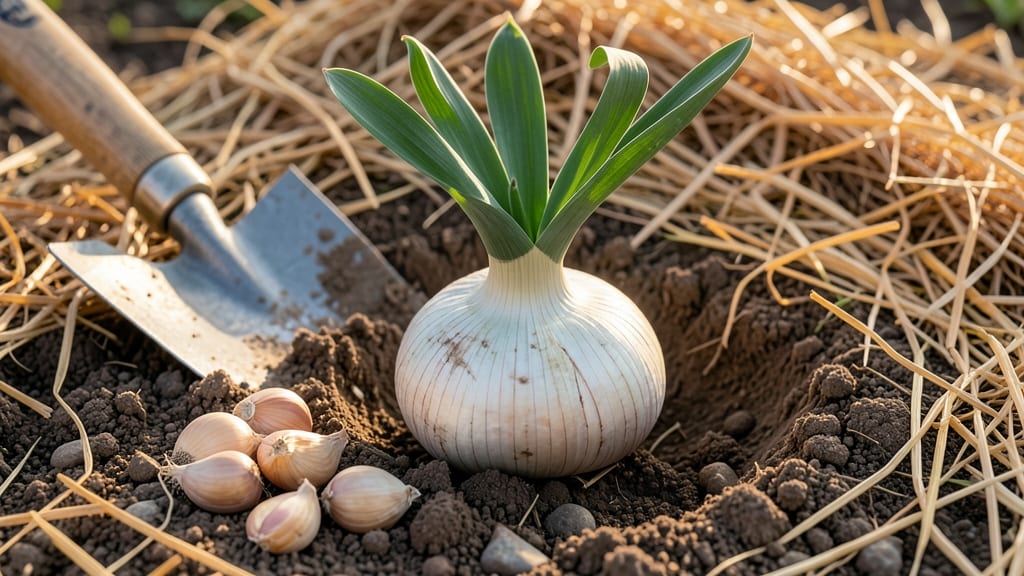
Planting garlic bulbs at the wrong time in Zone 5 can mean the difference between a thriving crop of flavorful 🧄 cloves and a total flop. Unlike spring-planted crops, garlic thrives when exposed to cold temperatures—specifically, 300 to 600 chill hours—before spring growth kicks in.
For Zone 5 gardeners, the ideal window is narrow but critical: aim to plant between October and November, giving the bulbs time to root before the ground freezes. Miss this window, and you risk stunted growth or no harvest at all.
But here’s the good news: with the right timing and a few simple prep steps, you can maximize your garlic’s potential. I’ll walk you through exactly when to plant, how to adjust for late falls, and what to watch for once those first green shoots appear.
Whether you’re a first-time grower or a seasoned gardener, getting this right ensures a bountiful harvest come mid-to-late summer. Let’s dive in.

Optimal planting windows for garlic in Zone 5 based on chill-hour needs
For Zone 5 gardeners, timing garlic bulbs correctly means planting between mid-October and early November—when soil temps drop to 50–60°F but before hard frost hits. This window ensures your hardneck varieties get the critical 300–600 chill hours needed for bulb formation.
Miss it, and you risk stunted growth or no harvest at all.
Most Zone 5 regions (including the Midwest and Northeast) experience their last frost around mid-November. Planting 4–6 weeks before this date gives garlic enough time to establish roots before winter dormancy. For example, in Chicago (Zone 5b), aim for October 15–November 1.
Your chill-hour requirement depends on the variety. 'German White' needs 600 hours, while 'Music' thrives with 400 hours. Check your seed packet or local extension service for specifics. Too little chill = small bulbs; too much = delayed growth.
Soil temperature is the most critical factor. Use a soil thermometer to confirm temps are below 60°F before planting. If soil stays warm, bulbs may sprout prematurely and rot in winter. In warmer microclimates (e.g., near buildings), plant 2–3 weeks earlier.
Here’s how to calculate your planting deadline:
- Find your average first frost date (check Almanac’s Frost Calculator).
- Subtract 6 weeks for root establishment.
- Adjust 1–2 weeks earlier if your soil stays warm.
🌱 Zone 5 Garlic Planting Comparison
| Planting Window | Chill-Hour Need | Soil Temp | Best Varieties |
|---|---|---|---|
| Early October | 400–500 hrs | 50–60°F | Music, Silverskin |
| Mid-October | 500–600 hrs | 40–50°F | German White, Chesnok |
| Early November | 600+ hrs | 35–45°F | Russian Red, Purple Stripe |
*Adjust for microclimates: Plant earlier in urban areas, later in rural zones.
If you’re planting in late October or November, use straw mulch (4–6 inches) to insulate soil and prevent heaving. Avoid planting after November 15—garlic needs 6–8 weeks of root growth before winter sets in. For Zone 5a (colder), shift your window 1–2 weeks earlier.
Pro tip: Break apart garlic bulbs into individual cloves (keep the paper intact) and plant the largest cloves for bigger bulbs. Point the root end down, 2 inches deep, and 4 inches apart. Space rows 12 inches apart for airflow and easy harvesting.
After planting, water lightly to settle soil, then let nature take over. Garlic is drought-tolerant once established, but a deep soak in early spring (March) jumpstarts growth. Avoid fertilizing until spring—fall feeding can encourage leafy growth over bulb development.
Missed the fall window? Don’t panic—early spring planting (March) can still yield small bulbs. However, they’ll lack the full flavor and size of fall-planted garlic. For best results, stick to the fall schedule and use next year’s harvest to adjust your timing.
How to adjust planting for late fall or early spring in Zone 5
Missed the ideal October-November planting window? Don’t panic—garlic is flexible, but adjustments are key. Planting too late in fall or attempting spring garlic requires different strategies to compensate for chill-hour needs and soil conditions. Let’s break down how to salvage your harvest when timing isn’t perfect.
For late fall plantings, aim for early December at the latest—just before the ground freezes. Use straw mulch (4–6 inches) to insulate bulbs and protect them from extreme cold. This delays dormancy and gives roots time to establish before winter sets in. Without mulch, bulbs risk freezing or rotting.
Spring garlic is riskier but possible if you plant by mid-March. The trade-off? Fewer chill hours mean smaller bulbs and lower yields. To maximize success, choose low-chill varieties (like 'Silverskin') and fertilize lightly in early spring. Harvest timing shifts too—expect bulbs to mature 4–6 weeks earlier than fall-planted garlic.
⚠️ Warning: Spring Planting Risks
- Bolting risk: Warm springs trigger premature flowering, ruining bulb formation.
- Smaller yields: Fewer chill hours = underdeveloped bulbs (often just cloves).
- Pest pressure: Early growth attracts onion flies and aphids before beneficial insects arrive.
Use row covers in early spring to protect young shoots from pests and temperature swings.
If you’re planting in late fall (December+), focus on soil prep first. Amend beds with compost and avoid working wet soil. Plant cloves 2 inches deep in well-drained spots, and mark rows with flags for easy spring cleanup. Mulch heavily to retain moisture and prevent heaving during freeze-thaw cycles.
For spring plantings, prioritize soil warmth over chill hours. Test soil temperature—wait until it reaches 40°F+ for 2+ weeks. Use black plastic mulch to warm soil faster, or plant in raised beds where heat escapes more slowly. Water deeply after planting to encourage root growth before bolting stress begins.
Pro tip: Overwinter cloves indoors if you’re unsure about outdoor conditions. Store cloves in a cool (40°F), dark place (like a garage) until late winter, then plant. This mimics natural dormancy and gives you flexibility to adjust timing based on weather forecasts.
Remember, fall planting remains the gold standard for Zone 5. But with these adjustments, you can still grow garlic—just manage expectations. Smaller bulbs or later harvests might be the trade-off, but it’s better than no garlic at all! 🌱