
Planting
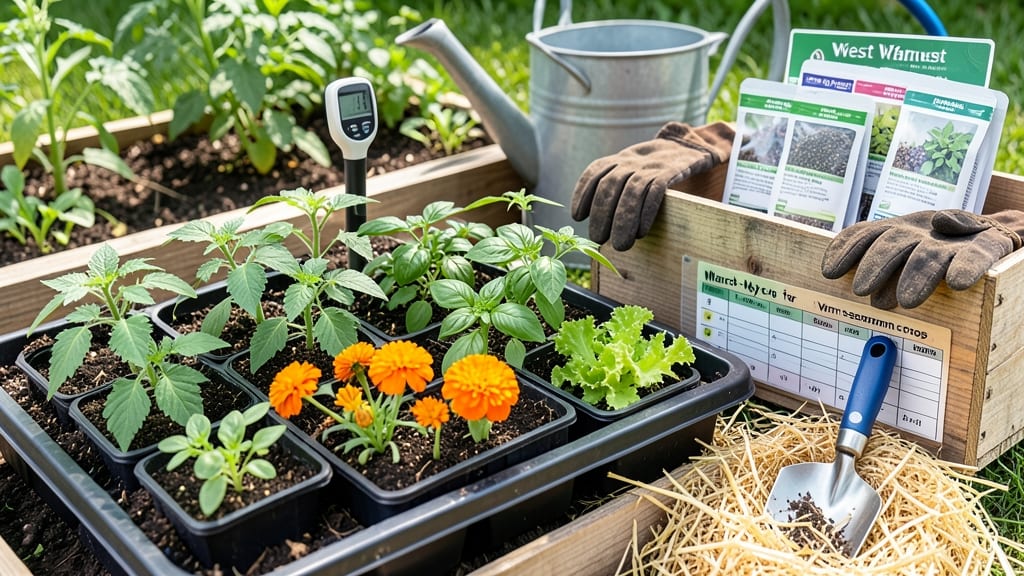
Timing your garden planting in West Virginia can make or break your harvest—get it wrong, and you’re fighting frost instead of enjoying fresh tomatoes.
The state’s varied climate means spring planting windows shift dramatically from the Appalachian highlands to the Ohio River Valley, sometimes by as much as 6 weeks.
Whether you're a first-time gardener or a seasoned pro, knowing exactly when to plant your 🌱 in your specific county is the key to avoiding wasted seeds and missed opportunities.
Most West Virginia gardeners in USDA Zones 5-7 can start cool-season crops like lettuce and peas as early as late March, but warm-season favorites like peppers and eggplants need to wait until after the last frost date—which could be early May in some areas.
I’ll break down the exact frost-free timelines by county so you can plan your garden with confidence, whether you’re direct-sowing or starting seeds indoors.
What if you’re in a high-altitude area where frost lingers longer? Or maybe you’re eager to squeeze in a fall garden before winter sets in? I’ll share proven strategies to extend your growing season, from using row covers to adjusting your planting schedule based on microclimates.
By the end, you’ll know not just when to plant, but how to maximize every day of your West Virginia garden’s potential.
Ready to transform your backyard into a thriving garden? Let’s dive into the county-by-county planting guide that’ll help you avoid common mistakes and get the most out of your hard work. Your future harvest starts with the right timing—and this is how you nail it.
West Virginia’s planting zones: key dates by county heat zones
West Virginia’s USDA Hardiness Zones 5a-7a create dramatic differences in planting windows—some counties get 140 days of frost-free growing time, while others stretch to 210 days. These variations mean your spring lettuce timing in Pocahontas County differs by 6+ weeks from planting tomatoes in Putnam County.
To pinpoint your exact planting window, I’ve organized WV’s 55 counties by their average last frost date (spring) and first frost date (fall). Use these as your planting benchmarks, but always confirm with your local Cooperative Extension Service for microclimate adjustments.
For example, high-elevation counties like Randolph and Tucker (Zone 5a) often have late-May last frosts, while river valley areas like Jackson and Wood (Zone 7a) may see mid-April frost-free conditions. This 10-week difference impacts everything from seed starting indoors to direct-sowing warm-season crops.
West Virginia Planting Zones by County
| Zone | Counties | Avg Last Frost | Avg First Frost | Frost-Free Days |
|---|---|---|---|---|
| 5a | Pocahontas, Randolph, Tucker | May 15-31 | Sep 25-Oct 10 | 140-160 |
| 5b | Barbour, Boone, Fayette | May 1-15 | Oct 1-15 | 160-180 |
| 6a | Kanawha, Logan, McDowell | Apr 15-May 1 | Oct 15-31 | 180-200 |
| 6b | Jackson, Mason, Putnam | Apr 1-Apr 15 | Nov 1-15 | 200-220 |
| 7a | Wood, Cabell, Wayne | Mar 15-Apr 1 | Nov 15-Dec 1 | 220-240 |
*Dates based on 30-year averages; check local forecasts for real-time adjustments
Use these frost dates to time your cool-season crops (like spinach and peas) for planting 4-6 weeks before your last frost. For warm-season crops (such as tomatoes and peppers), wait until 2 weeks after your last frost date to avoid chilly soil stunting growth.
In Zone 5a, I recommend starting cool-season seeds indoors in February for early-March transplants, while Zone 7a gardeners can direct-sow lettuce and radishes as early as late February. The key is matching your seedlings’ maturity dates with your frost-free window.
For perennial flowers like coneflowers and black-eyed Susans, plant in early spring (April) or early fall (September) to establish roots before winter. These hardy perennials thrive with 60-90 days of root development before first frost.
Pro tip: Mountain counties often have earlier springs than valley areas due to inversion layers. If you’re in high elevation, add 1-2 weeks to frost dates for safety. For example, Lewis County (Zone 5b) might see May 10 last frosts instead of May 1.
Always monitor soil temperatures—40°F is ideal for cool-season crops, while warm-season plants need 60°F+ soil. Use a soil thermometer to confirm readiness, especially in shady or north-facing beds that warm slower.
Remember: Microclimates matter. A south-facing slope in Monong
When to plant specific vegetables in WV: a month-by-month guide
West Virginia’s month-by-month planting calendar is your secret weapon for a productive garden. Unlike many states, WV’s microclimates mean you can plant tomatoes in late April in the Ohio River Valley while still waiting until mid-May in the Appalachian highlands.
I’ll break down the best times for your top 10 WV crops, including when to start seeds indoors versus direct-sowing outside.
For cool-season crops like lettuce, spinach, and peas, you can begin as early as late March in most of WV—just cover them with frost cloth if nights dip below 30°F. These hardy greens thrive in 50-65°F soil and can even handle light frosts.
Meanwhile, warm-season lovers like peppers, eggplants, and sweet potatoes need to wait until after your last frost date, which varies wildly across the state.
🌱 Key Tip: Use succession planting for crops like beans, zucchini, and radishes to extend harvests. For example, plant radishes every 2 weeks from April through July for continuous harvests.
📅 WV Planting Timeline by Month
Cool-Season Starts
- 🥬 Lettuce, spinach, peas
- 🌻 Kale, broccoli, cabbage
- 🥔 Potatoes (chit early)
Warm-Season Kickoff
- 🍅 Tomatoes, peppers, eggplants
- 🌽 Sweet corn, beans
- 🥒 Cucumbers, squash
Fall Successions
- 🥬 Late lettuce, radishes
- 🌿 Green onions, carrots
- 🌻 Turnips, beets
Adjust dates 1-2 weeks earlier for river valleys (Zone 7a) or later for highlands (Zone 5a).
In May and June, focus on warm-season crops that need consistent warmth. Tomatoes and peppers, for example, won’t thrive until soil temperatures hit 60°F+.
I recommend waiting until after Memorial Day in most areas, but if you’re in Zone 7a (like Putnam or Cabell County), you can plant 2 weeks earlier. For high-altitude areas like Pocahontas or Randolph County, hold off until mid-June.
For fall gardens, start planting cool-season crops in late July or early August—but hurry! You’ll only have 8-10 weeks before the first frost. My go-to late-season crops are radishes (25 days to harvest), spinach (30 days), and kale (50 days).
These can often survive light frosts and even taste sweeter after a 28°F chill.
🌿 Pro Move: Use row covers or low tunnels to push fall harvests into October or November in milder microclimates. Just remove them during the day to prevent overheating.
Remember, soil temperature matters more than air temperature. Use a soil thermometer to confirm it’s 50°F+ for cool crops or 60°F+ for warm crops before planting. This small step can mean the difference between thriving plants and wasted seeds.