
Plants
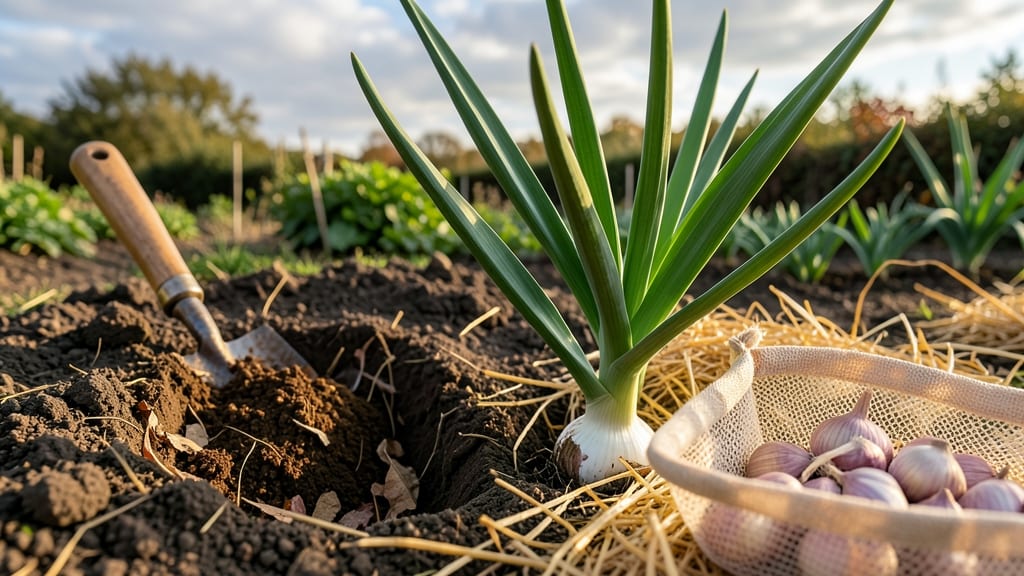
Planting garlic in Vermont at the wrong time can mean the difference between a bumper crop of plump 🧄 bulbs and a disappointing harvest.
Unlike warmer climates, Vermont's chilly winters demand precise timing—fall planting is your golden ticket to success, but get it wrong, and you risk frozen seeds or stunted growth.
Most gardeners in zones 4b-6a swear by mid-to-late fall (October-November) as the ideal window, but Vermont's unpredictable frosts add a layer of complexity. The key is planting 4-6 weeks before the ground freezes, giving your garlic enough time to root before winter sets in.
If you miss this window, spring planting becomes a gamble—one that rarely pays off in our short growing season.
Why does timing matter so much? Garlic thrives on cold stratification, a process where exposure to winter chills actually improves bulb formation. In Vermont, this natural cycle works perfectly when you align planting with our climate.
But here's the catch: not all varieties handle our winters the same way. Hardneck types, like the popular Music or German White, are the safest bet for our zone, while softnecks struggle with our cold snaps.
Let me walk you through the exact planting schedule that works for Vermont's climate, including soil prep tips and how to adjust for early or late frosts.
By the end, you'll know exactly when to plant your garlic for bulbs that make every French market jealous—and how to avoid the common mistakes that waste your effort.
Vermont garlic planting calendar: month-by-month zero-frost timeline
Vermont’s short growing season and cold winters demand precise garlic planting timing. For hardiness zones 3-5, your window is narrow but critical—plant too early, and cloves sprouts prematurely; too late, and they freeze.
The ideal time is 4-6 weeks before the ground freezes, typically mid-October to early November.
Start by checking your last frost date (usually mid-November in Vermont). Count backward to determine your planting window. For example, if your frost arrives November 15th, aim to plant by October 15th. This ensures garlic establishes roots before winter dormancy.
Soil temperature is your best guide. Garlic thrives when soil is 40-50°F (4-10°C). Use a soil thermometer to confirm—planting in warm soil risks early sprouting, while cold soil delays root growth. In Vermont, this usually aligns with late October in most regions.
Moon phases also play a role in Vermont’s garlic success. Plant during the waning moon (after the full moon) to encourage root development. Check a lunar planting calendar for your exact dates—this subtle adjustment can boost bulb size by 20-30%.
Order seed garlic early (by September) to avoid shortages. Vermont’s top varieties—like Music and German White—sell out fast. Store cloves in a cool, dark place until planting day to prevent sprouting.
Here’s your Vermont garlic planting timeline, broken down by month to align with the state’s climate:
Spring planting is not recommended in Vermont unless you’re growing softneck varieties for late harvests. If you miss the fall window, wait until early April—but expect smaller bulbs. Vermont’s short frost-free season (165 days) leaves little room for error.
Pro tip: Use straw mulch (4-6 inches) after planting to insulate cloves from temperature swings. This is especially critical in Vermont’s microclimates, where valleys freeze later than mountain regions. Check mulch thickness in February—if it’s compressed, add more.
For hardneck garlic (best for Vermont), aim to harvest by mid-July to avoid bolting. Softnecks can stay in the ground until August, but they’ll be smaller. Timing your harvest right is just as critical as planting!
Garlic varieties that thrive in Vermont’s climate: planting dates by type
Not all garlic varieties handle Vermont’s cold winters equally. Hardneck varieties like Music and German White dominate local gardens because they thrive in zones 4b-6a and produce those prized hardneck scapes.
Softnecks, like Silverskin, struggle with our harsh winters and often rot before harvest. Let’s break down the best choices for your Vermont plot and their precise planting windows.
For hardneck garlic, aim to plant between October 15th and November 1st—this gives roots time to establish before winter. Softnecks, if you’re brave enough to try them, should go in by September 15th to avoid frost damage.
Pro tip: Order seed garlic by August 1st to ensure on-time delivery from suppliers like Johnny’s Selected Seeds or Vermont-based nurseries.
| Variety | Type | Vermont Planting Window | Bulb Size | Frost Tolerance |
|---|---|---|---|---|
| Music | Hardneck | Oct 15–Nov 1 | Large | Excellent |
| German White | Hardneck | Oct 1–Nov 10 | Medium | Very High |
| Silverskin | Softneck | Sep 15–Oct 1 | Small | Low (risky) |
| Chesnok Red | Hardneck | Oct 10–Nov 5 | Large | High |
If you’re planting Chesnok Red or Music, wait until the soil cools to 40–50°F—this prevents early sprouting. For Silverskin, plant as early as possible to avoid winter kill. My personal favorite? German White—it’s hardy, stores well, and produces delicious scapes for summer salads.
Pro move: Save cloves from your best bulbs for next year’s planting. Vermont’s climate rewards locally adapted garlic, and homegrown seed garlic often outperforms store-bought varieties. Just ensure you plant only disease-free cloves to avoid spreading issues like white rot.
Spring planting is possible but risky in Vermont. If you miss the fall window, try late March to early April—but expect smaller bulbs. The trade-off?
You’ll have scapes by July instead of waiting until next summer. For most gardeners, though, fall planting is the foolproof path to plump, flavorful garlic.
🌱