
Plants
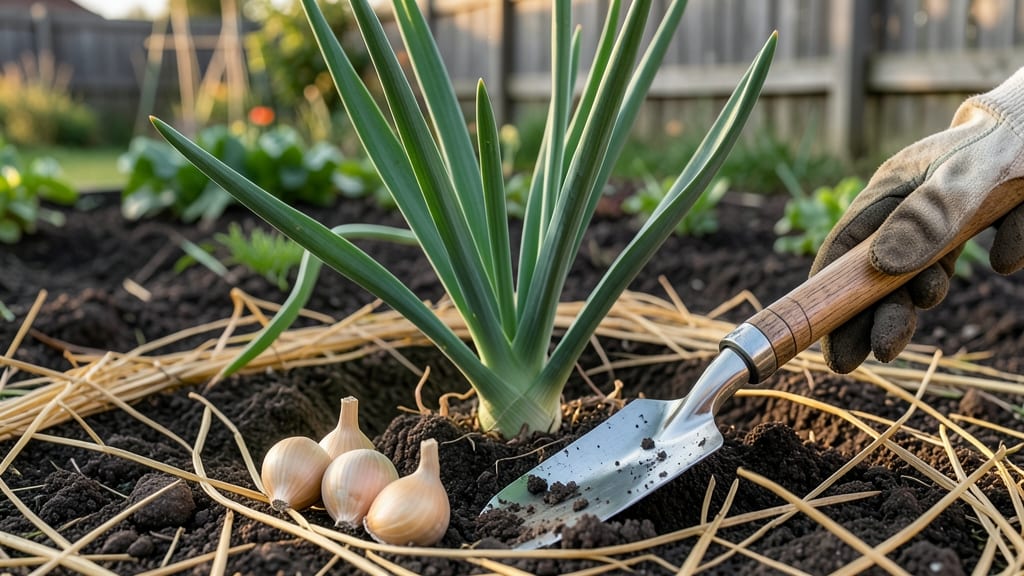
Planting garlic in Colorado’s crisp fall air is your ticket to a bountiful harvest—but timing it wrong could mean wasted effort. The key?
Getting those cloves in the ground between mid-October and early November, when temperatures dip and the soil cools, giving roots time to establish before winter’s freeze.
Why does this matter? Colorado’s USDA Zones 5-7 demand precision—plant too early, and your garlic might bolt; too late, and frost could stunt growth.
I’ve learned the hard way that hardneck varieties (like the popular ‘German White’ or ‘Chesnok Red’) thrive when planted in this narrow window, where the cold helps form those prized bulbs.
You might wonder if spring planting works—but in Colorado’s climate, it’s a gamble. Fall planting gives your 🧄 garlic a head start, letting it develop strong roots before winter dormancy.
I’ll show you exactly how to time it right, adjust for your specific zone, and avoid the mistakes that leave gardeners scratching their heads next summer.
Ready to grow garlic that’s plump, flavorful, and ready by mid-July? Let’s break down the science, soil tips, and regional tweaks that make all the difference in Colorado’s high-altitude gardens.
Best planting window for Colorado hardneck garlic: months, soil temps, and moon phases
Colorado’s hardneck garlic thrives when planted in fall, but the exact timing depends on soil temperatures and frost dates. Aim for mid-October to early November—this gives cloves time to root before winter dormancy.
In most of Colorado (USDA Zones 5-7), soil temps should drop to 40–50°F before planting, signaling ideal conditions for bulb formation.
Hardneck varieties like ‘German White’ or ‘Chef’s Choice’ need cold exposure to develop properly. Planting too early (September) risks premature sprouting or rot, while waiting until December may leave cloves vulnerable to frost heave. The key is balancing root establishment with winter protection.
Moon phases also play a role—planting during a waxing moon (when the moon is growing) is said to boost bulb development. Check local lunar calendars for optimal planting nights in October. For example, the waxing gibbous phase in late October aligns with Colorado’s ideal window for many gardeners.
| Factor | Colorado-Specific Guidance |
|---|---|
| Ideal Planting Month | Mid-October to early November |
| Soil Temperature | 40–50°F (use a soil thermometer) |
| Moon Phase | Waxing moon (root crops benefit) |
| Frost Window | 4–6 weeks before first hard frost |
| Clove Size | 1–2 inches (larger = bigger bulbs) |
| Planting Depth | 2 inches deep, pointy end up |
Colorado’s microclimates complicate timing. Front Range cities like Denver (Zone 5) can plant in early October, while higher-elevation areas (e.g., Boulder County, 6,000+ ft) may need to wait until late October.
Use your last frost date as a guide: plant 6 weeks before the average first frost (check Almanac.com for local data).
For hardneck varieties, cold stratification (exposure to 32–40°F temps) triggers bulb formation. If winters are mild (e.g., Colorado Springs), mulch with straw or leaves to simulate cold. Avoid plastic mulch—it traps heat and stresses cloves. Instead, use organic mulch to insulate and retain moisture.
Spring planting is possible but risky—cloves may bolt (flower prematurely) in Colorado’s heat. If you miss fall, try late winter (February) planting, but yields will be smaller. For best results, stick to fall and let winter’s chill work its magic on those bulbs.
After planting, mark your rows with stakes or flags to avoid disturbing the soil in spring. Garlic needs 6+ hours of sun daily, so choose a south-facing spot. Water lightly after planting to settle soil, then reduce irrigation until spring growth resumes in March.
Colorado gardeners often ask: "Can I plant garlic in September?" The answer depends on your soil’s warmth. Early September planting in Zone 6+ (e.g., Fort Collins) may work, but cloves could sprout too soon. Play it safe: wait until soil temps drop below 60°F to prevent rot.
Remember, garlic’s harvest window (July–August) is determined by when you plant. Fall-planted cloves need 240–300 days to mature. Start early, and you’ll enjoy homegrown garlic just as summer’s heat peaks—perfect for grilling and preserving.
Best planting window for Colorado hardneck garlic: months, soil temps, and moon phases
Colorado’s hardneck garlic thrives when planted in fall, but the exact timing depends on soil temperatures and your specific USDA Zone. Aim for mid-October to early November—this gives roots 4-6 weeks to establish before winter dormancy.
In Zone 5 (e.g., Denver), I plant by October 15th, while Zone 7 gardeners (like those in Colorado Springs) can wait until November 1st.
The magic happens when soil temps hit 40–50°F. Use a soil thermometer to confirm—colder soils delay root growth, while warmer soils risk early sprouting. Pro tip: Plant when daytime highs are 60°F or below to prevent bolting. I test my soil in late September to plan accordingly.
Here’s why moon phases matter: Planting during the waxing moon (just after the new moon) encourages root development, while the waning moon promotes bulb formation. Check a lunar calendar—Colorado’s October 13th waxing gibbous moon in 2024 is ideal for hardneck varieties like ‘Silverskin’ or ‘Creole.’
| Factor | Colorado-Specific Guidance |
|---|---|
| Ideal Planting Month | Mid-October to early November |
| Soil Temperature | 40–50°F (use thermometer) |
| Moon Phase | Waxing moon (root growth) |
| Zone 5 Timing | October 1–15 |
| Zone 7 Timing | October 20–November 1 |
Microclimates in Colorado throw a wrench into timing. Mountain regions (e.g., Summit County) freeze earlier—plant by October 1st—while Western Slope areas (like Grand Junction) can wait until November 10th.
I’ve seen 30-day differences between Front Range and San Luis Valley gardens. Always check your local USDA frost date and adjust.
One mistake I see often? Planting softneck garlic (like ‘Artichoke’) in fall—it’s better suited for spring planting in Colorado. Stick to hardneck varieties for fall; they handle our winters better and produce those sought-after scape shoots in spring. Save softneck for milder climates or spring trials.
Once planted, mulch with 4–6 inches of straw to insulate roots through winter. In Zone 5, I add mulch by November 1st to prevent soil heaving. This simple step can mean the difference between firm bulbs and frozen cloves come harvest time.