
Plants
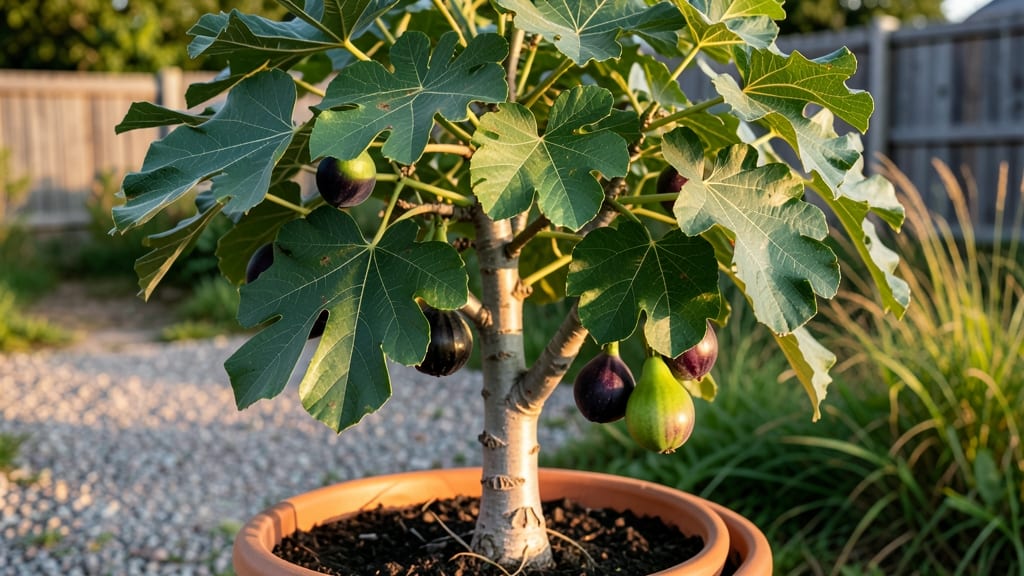
How much light does a fig plant need? It’s the question that separates thriving vines from struggling shadows—because get it wrong, and you’ll be left with a plant that’s either stretching weakly or wilting under too much glare. Whether you’re growing a 🍈 in your garden or coaxing life from an indoor sapling, understanding their light needs is the key to lush, fruitful growth instead of a sad, leggy mess.
Too little light, and your fig will stretch toward the nearest window like a sleepy cat, its leaves pale and weak. Too much, and those broad leaves will crisp at the edges, turning brown as if sunburned.
The sweet spot? At least 6 to 8 hours of direct sunlight daily, though some varieties can handle a little afternoon shade in scorching climates like Zone 6a.
But here’s the kicker: outdoor figs and indoor figs don’t play by the same rules. Outdoors, they’ll soak up the sun with gusto, while indoors, you’ll need to get creative—think grow lights, south-facing windows, or even a sunny patio rotation.
I’ll walk you through exactly how to meet their needs, no guesswork required.
Ready to give your fig the perfect light prescription? Let’s dive into the details so you can watch it thrive—from those first tender leaves in spring to a bountiful harvest by October.

Fig plant sunlight requirements: ideal hours and light intensity explained
Fig plants are sun worshippers—they crave 6 to 8+ hours of direct sunlight daily to produce sweet, plump fruit. Without enough light, they’ll grow weak, leggy, and may even stop fruiting entirely.
But here’s the catch: not all fig varieties have the same needs, and too much scorching sun can also harm them.
Outdoor figs thrive in full sun (6+ hours/day), while indoor figs need bright, indirect light near a south-facing window. The key is balancing light intensity and duration to match your fig’s maturity and variety. Dwarf varieties tolerate partial shade better than standard figs, which demand unfiltered sun.
| Fig Variety | Sunlight Needs | Notes |
|---|---|---|
| Common (e.g., Brown Turkey, Celestial) | 6–8+ hours full sun | Best for outdoor gardens; needs afternoon shade in hot climates. |
| Hardy (e.g., Chicago Hardy, Desert King) | 5–7 hours full sun | Tolerates cooler climates; partial shade in summer. |
| Dwarf (e.g., Little Miss Figgy, Black Jack) | 4–6 hours bright light | Ideal for containers; thrives indoors near windows. |
For outdoor figs, morning sun (6 AM–12 PM) is ideal, while afternoon shade (2–6 PM) protects leaves from scorching in zones with intense heat. In USDA Zones 7–9, figs often grow against walls or fences to capture reflected sunlight, boosting their energy.
Indoor figs need bright, indirect light—think south or west-facing windows with sheer curtains to diffuse harsh rays. If your home lacks natural light, supplement with grow lights 12–14 hours/day (more on this in Section 3). Rotate potted figs weekly to ensure even growth.
Seasonal adjustments are crucial: Summer means more sun tolerance, while winter requires extra light to prevent dormancy. In short days, move indoor figs closer to windows or extend grow light exposure. Yellowing leaves or stretched stems signal light hunger—time to relocate!
Pro tip: Use a light meter app to track lux levels (figs need 10,000–20,000 lux). If your space falls short, reflective surfaces (mirrors, white walls) can amplify natural light by up to 30%. For container growers, terracotta pots stay cooler in sun than plastic, reducing stress.
Myth bust: Fig plants don’t need afternoon sun to fruit—they prioritize morning light for energy. Overhead shade (like patio umbrellas) can actually reduce fruit production by blocking critical light hours. Position your fig where it gets unobstructed sun from sunrise to midday.
Climate matters: In dry, hot regions (Zone 10+), figs may need afternoon shade cloth to prevent leaf burn. In cooler zones (Zone 6–7), extend sunlight with reflective mulch or a south-facing trellis to maximize exposure.
Remember: Light quality counts as much as duration. Fig leaves should be a deep green—pale or purple hues mean it’s time to adjust your setup. With the right balance, your fig will reward you with abundant fruit and lush foliage all season long. ☀️🌱
Signs your fig plant isn’t getting enough (or too much) light
Your fig plant speaks volumes about its light situation—you just need to know what to listen for. Underwatered-looking leaves that stretch toward the light (a condition called etiolation) are the first red flag. These leaves grow long, thin, and pale, almost like a plant reaching for a handshake.
Even worse, the stems may become weak and leggy, making your once-sturdy fig look more like a floppy noodle than a thriving tree.
On the flip side, too much direct sunlight can cause leaf scorch, where edges turn crispy and brown, almost like they’ve been kissed by a hot iron. This often starts on the leaves closest to the sun and spreads inward.
If you notice yellowing between veins (chlorosis), that’s another clue—your fig might be struggling to absorb enough light, especially if the yellowing appears on older leaves first.
🔍 Visual Clues to Watch For:
- Pale, stretched leaves = Not enough light
- Brown, crispy edges = Too much light
- Slow or no fruit production = Light deficiency
- Leaf drop = Stress from harsh sunlight
⚠️ Warning: Light Stress Can Kill Your Fig
If your fig’s leaves start dropping en masse or develop blackened patches, it’s a cry for help. Move it immediately to a spot with filtered sunlight (like a sheer curtain) or partial shade during peak afternoon hours. In extreme cases, burned leaves won’t recover, but pruning them encourages new, healthier growth.
🌡️ Pro Tip: In Zone 6a, afternoon shade is a lifesaver during summer—try placing your fig under a dappled shade tree or a 50% shade cloth.
Seasonal changes can also throw your fig’s light balance off. In winter months, shorter daylight hours might leave your plant light-deprived, while summer’s intense rays can overwhelm it if it’s not acclimated.
If you notice new growth slowing in winter, supplement with a grow light for 12–14 hours a day to keep it happy. Conversely, if your fig’s leaves are wilting by midday in summer, it’s begging for a break from the sun.
Don’t ignore bud development either—figs need ample light to set fruit. If your plant is flowering but dropping buds, it’s likely starving for sunlight. Move it closer to a south-facing window or outdoors where it can bask in 6+ hours of direct light daily.
For container-grown figs, rotate the pot every few weeks so all sides get even exposure, preventing lopsided growth.
💡 Quick Fixes:
- Too little light? Relocate to a sunnier spot or use a reflective surface (like a mirror) to bounce light.
- Too much light? Provide afternoon shade with a sheer curtain or move to a partial-shade area.
- Indoor fig? Supplement with a 15W LED grow light 12 inches away for 6–8 hours.
Remember, figs are sun-worshippers at heart, but even they appreciate a little balance. Keep an eye on those leaves, and your fig will reward you with juicy, sweet fruit instead of a sad, sunburned mess. 🌿