
Plants
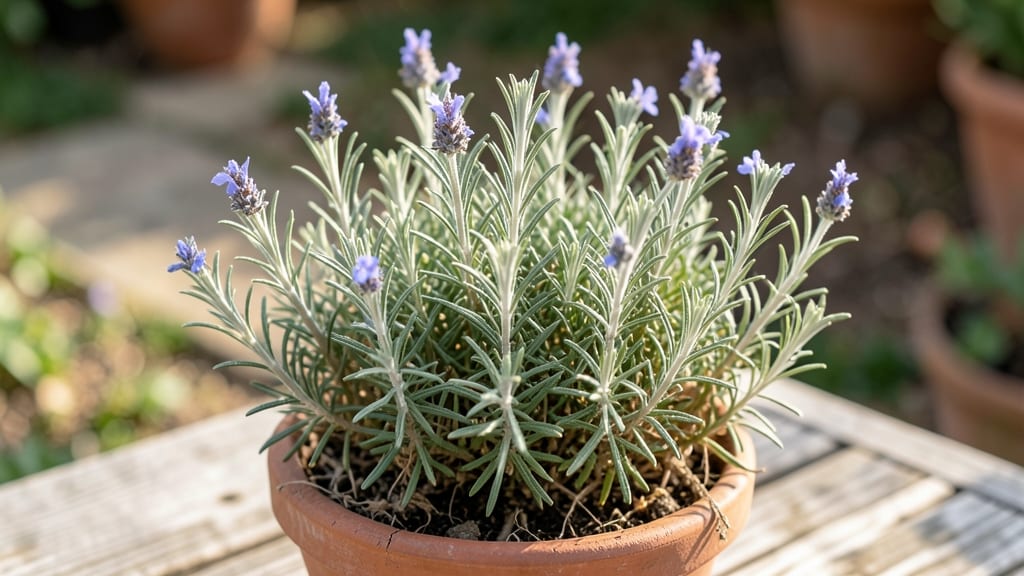
If you're wondering how tall a rosemary plant can grow, the answer depends more on its variety and care than you might think. This fragrant 🌿 herb can range from a compact 1-foot bush to a towering 6-foot shrub, making it perfect for everything from windowsill gardens to backyard borders.
For gardeners in USDA Zone 6a, where rosemary thrives as a perennial, understanding these height variations is key to planning your layout. Some varieties stay neatly contained, while others reach skyward—so knowing what to expect helps you choose the right spot for your needs.
In this guide, I’ll break down the height differences between popular rosemary types, share how sunlight and soil affect growth, and reveal simple pruning tricks to keep your plant at your ideal size.
Whether you're growing it in pots or planting it in the ground, you’ll learn how to encourage the perfect height for your space.
Ready to transform your garden or kitchen with this versatile herb? Let’s explore how to grow rosemary at just the right height for your lifestyle.


Rosemary plant height by variety: compact vs. tall options
Rosemary’s height can vary dramatically depending on the variety you choose. As a perennial herb in USDA Zone 6a, it typically matures between 3 to 6 feet, but some varieties stay as short as 1 foot when properly pruned.
The key to selecting the right type lies in understanding whether you prefer a compact bush or a tall, upright shrub.
For example, the Rosmarinus officinalis 'Tuscan Blue' variety is a popular choice for its striking blue-green foliage and 4 to 5-foot mature height. This makes it ideal for backyard borders or as a privacy screen in small gardens.
Meanwhile, dwarf varieties like 'Blue Spires' or 'Prostratus' stay between 1 to 2 feet tall, perfect for container gardening or edging flower beds.
If you’re growing rosemary in containers, height control becomes even more critical. Varieties like 'Arp' or 'Hill Hardy' are excellent choices, reaching only 2 to 3 feet when pruned regularly.
These are perfect for patio gardens or even windowsill herb gardens, where space is limited but you still want that fragrant aroma.
Here’s a quick comparison to help you visualize the differences:
When selecting a variety, consider your garden layout and how much vertical space you have available. For instance, if you’re planting rosemary near a fence or wall, a taller variety like 'Tuscan Blue' can create a natural screen while adding height and texture to your landscape.
On the other hand, if you’re working with limited space, a dwarf variety like 'Blue Spires' will thrive in small pots or hanging baskets.
Another factor to keep in mind is the growth habit of the variety. Some rosemary plants, like 'Prostratus', have a spreading growth pattern, which means they’ll grow wider rather than taller. This makes them ideal for ground cover or rock gardens, where their trailing branches can cascade beautifully.
In contrast, varieties like 'Hill Hardy' grow upright and can reach 4 feet or more, making them perfect for formal garden designs.
If you’re new to growing rosemary, I recommend starting with a medium-height variety like 'Arp' or 'Tuscan Blue'. These are versatile enough to adapt to different growing conditions and provide a good balance between height and manageability.
Plus, they’re forgiving if you’re still learning how to prune and shape your plants effectively.
Remember, even within the same variety, the final height of your rosemary plant can be influenced by how you care for it. Pruning regularly can keep a tall variety like 'Tuscan Blue' at a manageable 3 feet, while neglecting pruning might let it grow unchecked to 6 feet or more.
We’ll dive deeper into pruning techniques in the next section to help you control your rosemary’s height exactly how you want.
Factors that influence rosemary height: sun, soil, and pruning
Did you know your rosemary’s height isn’t set in stone? While some varieties naturally grow taller, sunlight exposure, soil quality, and pruning habits can dramatically alter its size.
For example, a Tuscan Blue rosemary might stay compact in partial shade but stretch toward the sun if planted in a bright spot.
Rosemary thrives in full sun (6+ hours daily), which encourages vigorous growth. In shadier conditions, it may only reach 2-3 feet instead of its potential 4-6 feet.
The soil’s drainage also plays a role—poor drainage can stunt growth or cause root rot, while well-draining, slightly alkaline soil (pH 6.0–7.0) promotes healthy expansion.
Here’s the kicker: pruning frequency directly controls height. Regular trimming keeps rosemary bushy and compact, while neglecting pruning lets it grow wild and leggy. Even a dwarf variety can shoot up if left unchecked!
🌱 Key Factors for Rosemary Height
- Sunlight: Full sun = taller growth (up to 6 ft); partial shade = shorter (2-3 ft)
- Soil: Well-draining, alkaline soil = optimal growth; poor drainage = stunted growth
- Pruning: Regular trimming = compact shape; no pruning = leggy, tall growth
- Watering: Overwatering = weaker stems; drought = slower growth but stronger roots
Pro Tip: Mulch around the base to retain moisture and encourage steady growth without excessive height.
If you’re growing rosemary in containers, height control becomes even easier. Smaller pots naturally limit root spread, keeping plants under 2 feet. For ground planting, though, give taller varieties like Rosmarinus officinalis plenty of space—they can spread 3-5 feet wide as they grow.
One more secret: harvesting regularly also stunts height. Pinching back new growth encourages bushier, more manageable plants. For a taller rosemary hedge, prune less frequently and let it grow vertically.
Whether you want a kitchen garden staple or a privacy screen, understanding these factors lets you shape your rosemary to fit your space perfectly. The key is balance—give it what it needs, and it’ll reward you with the ideal height for your vision.