
Plants
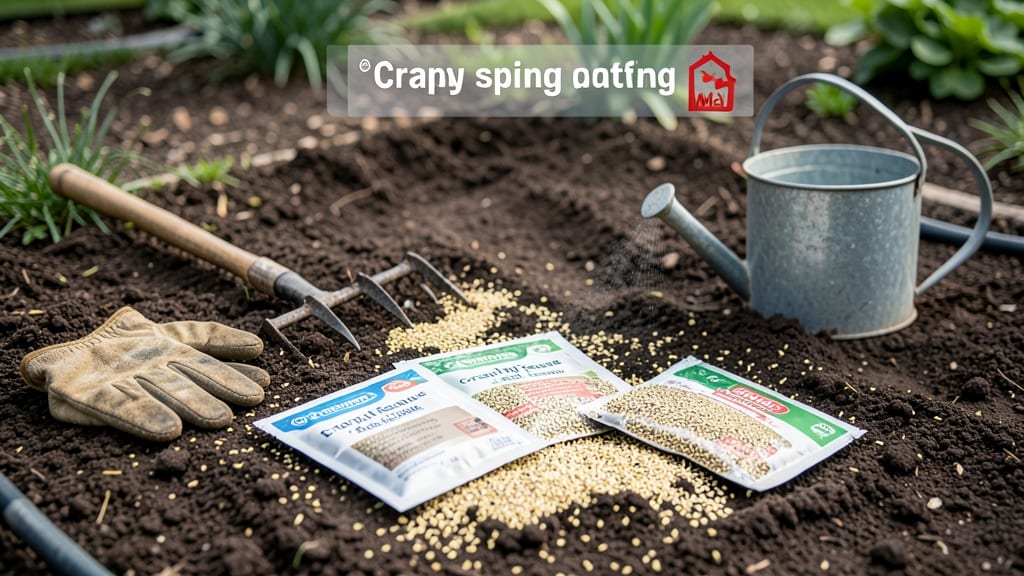
Timing your grass seed planting in Colorado isn’t just about the calendar—it’s about beating the unpredictable frost that can turn your hard work into a frozen disappointment.
Whether you’re in Denver’s Zone 5 or the high-altitude slopes of Zone 3, planting too early risks seedlings freezing, while waiting too long invites summer droughts to stunt growth before roots take hold.
Most Colorado gardeners swear by two ideal windows: late summer to early fall (August–September) and early spring (March–April). But here’s the catch—your exact timing depends on your region’s last frost date, soil temperature, and even elevation.
For example, the Front Range’s Zone 4–6 might see frost until May 1, while the Western Slope’s Zone 5–7 could be frost-free by April 15.
In this guide, I’ll break down the precise weeks before last frost for your specific area, plus how to adjust for late springs or early heatwaves.
You’ll also discover the best grass seed varieties for Colorado’s short growing season and how to prepare your soil for maximum success—no guesswork, just a lush lawn that thrives year after year.
Ready to stop second-guessing and start planting with confidence? Let’s dive into the exact strategy that works for Colorado’s climate—so you can enjoy your 🌱 grass without the stress.
Best weeks before last frost to plant grass seed in Colorado (by region & climate Zone)
Colorado’s diverse climate means the best time to plant grass seed varies dramatically from the Front Range to the Western Slope. Most regions thrive with cool-season grasses like Kentucky Bluegrass and Fescue, but timing depends on your USDA hardiness zone and elevation.
For example, Denver (Zone 5) has a last frost date around April 15, while Grand Junction (Zone 7) sees frost until mid-November. Planting 4-6 weeks before your last frost gives seedlings time to establish before summer heat arrives.
In Colorado, spring planting (March–April) and fall planting (August–September) are ideal. Spring planting should happen after the last frost but before soil temperatures exceed 75°F. Fall planting works best when daytime temps stay above 60°F but nights cool to 50°F, allowing roots to grow without stress.
High-altitude areas (e.g., Aspen, 8,000+ ft) may need adjustments—plant 2–3 weeks later than lower elevations to avoid early frosts.
| Region | USDA Zone | Last Frost Date | Best Planting Window | Soil Temp for Germination |
|---|---|---|---|---|
| Front Range (Denver, Boulder) | 5-6 | April 15–May 1 | March 15–April 15 (spring) or August 15–September 15 (fall) | 50–75°F |
| Western Slope (Grand Junction, Durango) | 6-7 | March 1–April 1 | February 15–March 15 (spring) or September 1–October 1 (fall) | 55–80°F |
| Eastern Plains (Colorado Springs, Pueblo) | 5-6 | April 1–April 15 | March 1–April 1 (spring) or August 1–September 1 (fall) | 50–75°F |
| High Altitude (Aspen, Telluride) | 3-4 | May 15–June 1 | April 15–May 1 (spring) or July 15–August 15 (fall) | 45–65°F |
For high-altitude areas, like Aspen or Breckenridge, cool-season grasses need extra care. Plant late spring (April–May) or early fall (July–August) to avoid late frosts. Use fine fescue blends, which tolerate cooler soils and shorter growing seasons.
In contrast, lowland areas (e.g., Pueblo, Colorado Springs) can handle Kentucky Bluegrass planted as early as mid-March, provided soil temps stay above 40°F.
Pro tip: Use a soil thermometer to confirm temps—seeds need 50–75°F soil for germination. If your area experiences late frosts, opt for fall planting (August–September) to give seedlings a head start before winter.
For example, in Zone 5 (Denver), September 1–15 is ideal because daytime temps remain warm enough for growth, while nights cool, reducing stress.
Colorado’s Western Slope, including Grand Junction and Durango, enjoys a longer growing season due to lower elevations. Here, spring planting can start as early as February 15, but monitor soil moistureFall planting extends until October 1, taking advantage of mild winters.
If you’re in this region, tall fescue mixes are excellent for drought resistance.
One common mistake is planting too early in spring when soils are still cold or too late in fall when frosts arrive unexpectedly. To avoid this, check the NOAA frost prediction maps for your area and adjust your timeline by 1–2 weeks if needed.
For instance, if your last frost is April 15, aim to plant by March 15 to allow 4 weeks of growth before summer heat sets in.
Microclimates also play a role—south-facing slopes warm up faster and can support earlier planting, while north-facing yards may need a 2-week delay. Test your soil’s drainage and pH (ideal: 6.0–7.5) before planting.
Amend with compost or peat moss if needed, and avoid heavy clay soils, which can suffocate roots. A well-prepared seedbed is half the battle in Colorado’s thin mountain soils.
For urban areas like Denver or Colorado Springs, where lawns face high foot traffic, choose dense, drought-tolerant blends like tall fescue or buffalo grass mixes. These varieties
How to adjust planting timing for Colorado’s unpredictable weather patterns
Colorado’s weather can shift faster than a mountain breeze—one day it’s 60°F and sunny, the next it’s 20°F with snow. If you plant grass seed too early in Zone 4 (like Denver), a late frost in May can wipe out your seedlings.
Conversely, waiting until June risks summer droughts stunting root growth before winter dormancy. The key? Adjusting your timing based on soil temperature, not just the calendar.
For most of Colorado, aim to plant 4–6 weeks before the average first frost in fall (typically September–October) or after the last frost in spring (usually mid-April–May). But if you’re in Zone 3 (e.g., Steamboat Springs), push planting to late May to avoid late frosts.
Use the NOAA frost date map for your exact location—it’s your best tool for precision.
Soil temperature is more critical than air temperature. Grass seed needs soil that’s 55–65°F for germination. In spring, wait until soil warms consistently—use a soil thermometer to check. In fall, plant when daytime highs are 70–80°F but nights stay above 40°F.
Pro tip: Morning soil temps are often 10°F cooler than afternoon—measure at 10 AM for accuracy.
🌱Microclimates matter—even within a city. A south-facing slope warms faster than a north-facing yard, so you can plant 2–3 weeks earlier on sunny hillsides. Similarly, urban heat islands (like downtown Denver) stay warmer, extending your planting window by 1–2 weeks compared to rural areas.
Observe your yard’s behavior for 3–5 years to spot patterns.
⚠️ Warning: Common Pitfalls to Avoid
- Planting too early: Seedlings can’t survive below 40°F—even hardy fescue will struggle. Wait for consistent warmth.
- Ignoring soil moisture: Dry soil in May–June can delay germination by 2+ weeks. Water deeply 2–3 days before planting.
- Using warm-season grass (like Bermuda) in spring: It needs 80°F+ soil—plant in late May–June only in Zone 6–7.
💡 Pro Tip: Test soil moisture by grabbing a handful—if it crumbles, it’s dry. If it sticks, it’s too wet. Aim for a slightly damp but not soggy feel.
Extend your planting window by 2–4 weeks with row covers or frost blankets in early spring. These create a 5–10°F warmer microclimate, letting you plant as early as March in Zone 5–6.
Just remove covers when soil temps hit 60°F to avoid overheating. For late fall plantings, use straw mulch (2–3 inches) to insulate seeds from early frosts.
Finally, choose seed varieties that match your timing. Cool-season grasses (like Kentucky Bluegrass) thrive when planted in early spring or fall, while warm-season types (like Buffalo Grass) need late spring warmth.
For Colorado, tall fescue blends are your safest bet—they germinate in 45–60°F soil and tolerate late frosts better than other types.
By tracking soil temps, leveraging microclimates, and using protective covers, you can plant grass seed in Colorado with confidence—even when Mother Nature throws curveballs. 🌬️