
Plants
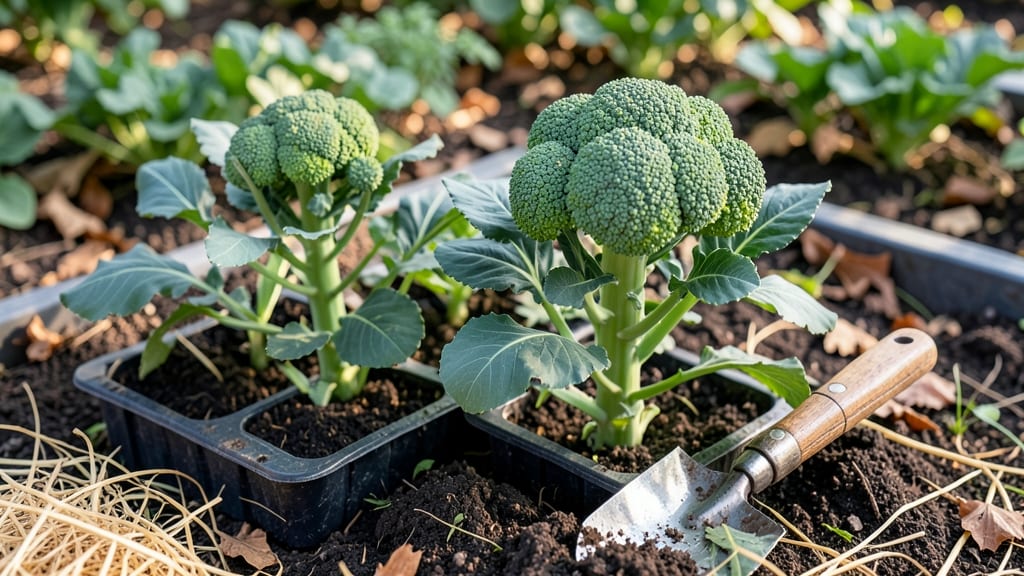
Planting broccoli in Texas isn’t just about throwing seeds in the ground—it’s about beating the heat, avoiding bitter bolts, and timing your harvests to perfection.
Whether you're in frost-prone 8a Central Texas or milder 9a-10a coastal zones, getting the window right means the difference between a zero-bolt feast and a wasted season.
Fall is your golden opportunity, with September–October being the sweet spot for transplants—just 4–6 weeks before your first frost. But spring planting? That’s where Texas gardeners often trip up. Too early, and your 🥦 will bolt in the heat; too late, and you’ll miss the April–June harvest window.
I’ll show you exactly how to nail those timelines, no guesswork.
You’ll also discover how to prep your soil, choose the right varieties for your region, and even stretch your harvests with smart succession planting. No more wasted seeds or bitter-tasting heads—just sweet, crisp broccoli straight from your Texas garden. Let’s get those transplants in the ground the right way.
Ready to turn your garden into a broccoli powerhouse? The key is knowing when to plant—and I’ve got the exact timing you need to make it happen. Let’s dive in.
Optimal Texas broccoli planting windows: fall vs. spring timing explained
Texas’s diverse climate zones make broccoli planting a balancing act—too early, and bolting turns your heads bitter; too late, and frost wipes out your crop. The key? Planting 4–6 weeks before your first frost in fall and February–March in spring, with adjustments for North, Central, and South Texas.
Let’s break it down by region so you can avoid common mistakes like heat stress or premature flowering.
Broccoli thrives in cool weather (50–75°F), so timing depends on your USDA zone. Central Texas (Zone 8a) has a shorter frost-free window (240 days) than coastal areas (Zone 9a–10a, 300 days), while West Texas (Zone 8b) faces earlier frosts.
Use these regional guidelines to align planting with your local last frost date.
🌱 PRO TIP: Check your local frost dates (e.g., Central Texas: Nov 15 first frost, Jan 15 last frost) and plant 60–70 days before your average first frost for a fall harvest. For spring, aim for February–March to avoid summer bolting.
| Region | USDA Zone | Fall Planting Window | Spring Planting Window | Key Consideration |
|---|---|---|---|---|
| North Texas | 8a | Mid-September to October 15 | Late February to early March | Watch for early frosts; use row covers. |
| Central Texas | 8a–9a | Late August to September 30 | March 1–15 | Balanced heat tolerance; avoid summer planting. |
| South Texas (Coastal) | 9a–10a | September 15–October 31 | March 15–April 15 | Humidity risks disease; improve airflow. |
| West Texas | 8b | Early September to October 1 | Late February to March 10 | Dry heat; mulch heavily to retain moisture. |
For fall planting, start seeds indoors 6–8 weeks before transplanting (e.g., late July for Central Texas) or buy transplants in early September. Spring transplants should go in the ground 2–3 weeks before last frost—too early, and they’ll bolt from heat stress.
Soil temperature matters just as much as air temperature. Broccoli seeds won’t germinate well below 40°F, and transplants struggle in soil above 80°F. Use a soil thermometer to confirm 55–75°F soil temps before planting.
In West Texas, where soil heats up fast, plant shade cloth over seedlings for the first 2 weeks.
⚠️ WARNING: Avoid planting broccoli in summer (June–August)—Texas’s 100°F+ heat triggers bolting (premature flowering). If you miss the fall window, opt for heat-tolerant varieties like 'De Cicco' and use drip irrigation to keep roots cool.
Succession planting extends your harvest. In fall, make weekly transplants until October 15 (Central Texas) to stagger maturity. In spring, plant every 2 weeks from February–March for continuous harvests through April–June.
This works especially well in South Texas, where the longer growing season allows for multiple crops.
Test your soil’s pH (6.0–7.0) and add compost or aged manure before planting. Broccoli is a heavy feeder, so a side dressing of 10-20-20 fertilizer at transplanting boosts growth. In coastal areas, where humidity fosters disease, space plants 18–24 inches apart for airflow.
Harvest timing depends on variety, but most broccoli is ready in 60–80 days. Cut heads when they’re tight and dark green (4–6 inches wide) before yellow flowers appear. After harvesting the main head, side shoots will form—keep picking them for weeks of extra harvests!
In West Texas, where winters are colder, harvest before hard frosts (below 25°F) or use row covers to protect plants.
Mastering Texas broccoli timing means adapting to your microclimate. Whether you’re in humid East Texas or dry West Texas, these windows ensure sweet, zero-bolt harvests from fall to spring. Start with the right variety, monitor soil temps, and don’t fear succession planting—it’s the secret to
How to time broccoli transplants for Texas heat: avoiding bolting and extending harvests
Transplanting broccoli in Texas isn’t just about picking a date—it’s about beating the heat while giving your plants enough time to mature before frost. The key window is February–March for spring and September–October for fall, but your exact timing depends on soil temperatures and seedling maturity.
Too early, and your broccoli bolts in the heat; too late, and you’ll miss the harvest window.
I’ve learned the hard way that 4–6 week-old seedlings are ideal for transplanting. They’re sturdy enough to handle Texas heat but still young enough to adapt. For spring, aim to transplant 6–8 weeks before your last frost (Central Texas: mid-February; Coastal Texas: late February).
For fall, transplant 4–6 weeks before your first frost (Central Texas: late September; Coastal Texas: early October).
Here’s my foolproof method for timing transplants right:
- 1 Check soil temps: Broccoli thrives in 55–75°F soil. Use a soil thermometer—if temps rise above 80°F, delay transplanting or use shade cloth.
- 2 Hardening off seedlings: Start 7–10 days before transplanting. Gradually expose seedlings to afternoon sun and Texas winds to toughen them up.
- 3 Transplant timing: Do it on a cloudy day or late afternoon to reduce transplant shock. Space plants 18–24 inches apart for optimal growth.
- 4 Shade cloth hack: If temps exceed 90°F, drape 30–50% shade cloth over seedlings for 2–4 weeks to prevent bolting.
- 5 Succession planting: For extended harvests, plant every 2 weeks from February to October. This ensures a continuous supply from October to April.
One of my biggest mistakes was transplanting too early in spring, only to watch my broccoli bolt before forming heads. Now, I always wait until soil temps stabilize below 80°F and use shade cloth as a safety net. This method has given me zero-bolt harvests every season—no bitter surprises!
For West Texas gardeners, where heat arrives earlier, I recommend starting seeds indoors in January and transplanting in late February. Coastal Texas gardeners can push spring transplants into early March thanks to milder winters.
The key is adapting to your microclimate—whether that’s East Texas humidity or West Texas dry heat.
Pro tip: Mulch heavily with straw or wood chips after transplanting to keep soil cool and retain moisture. This simple step can extend your harvest window by 2–3 weeks in both spring and fall.
With these strategies, you’ll avoid bolting and enjoy sweet, crisp broccoli straight from your Texas garden. 🌱