
Plants
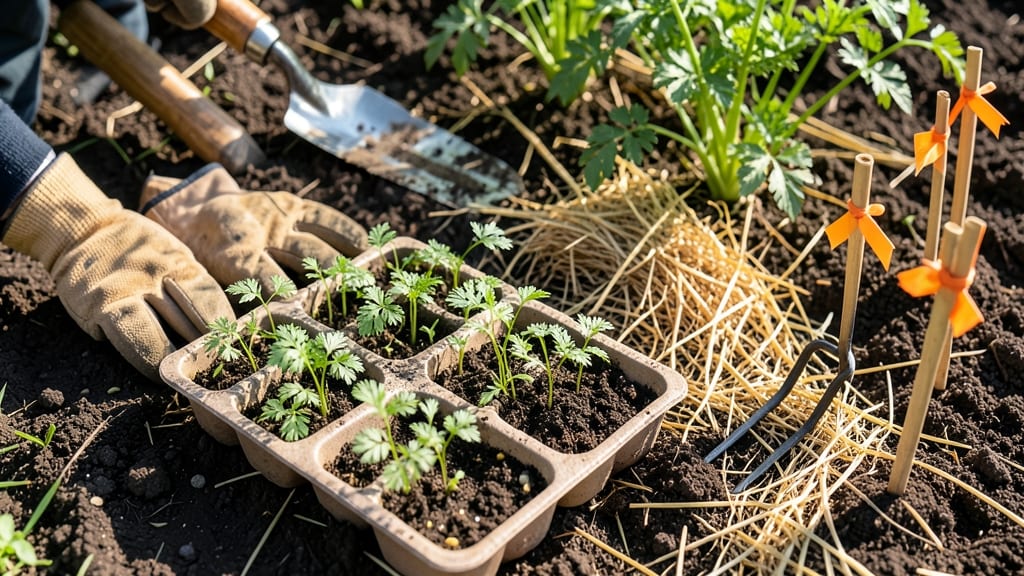
Planting carrots in Louisiana at the wrong time can turn your crisp, sweet dreams into tough, bitter reality—especially with our long, humid summers and mild winters. The key to growing perfect 🥕 lies in timing your seeds just right, whether you're aiming for fall harvests or spring bounty.
In zones 8a-9b, most gardeners swear by early fall planting (September-October) to avoid the brutal summer heat, but late winter (February-March) also works for those who want to beat the humidity.
I've learned the hard way that planting too early in spring risks bolting, while waiting too long in summer invites pests and woody roots.
What makes Louisiana unique is our ability to grow carrots almost year-round—if you play by the rules. The secret isn't just about when you plant, but how you prep your soil and protect your crop from our pesky humidity.
Let me walk you through the exact schedule that's worked for me, so you can enjoy homegrown carrots that actually taste like summer should.
From choosing the right varieties to adjusting your watering schedule, we'll cover everything you need to know to turn your garden into a carrot paradise. Trust me, your taste buds will thank you when you bite into that first perfectly tender root pulled straight from your Louisiana soil.
Louisiana carrot planting calendar: best months by heat zone
Timing your carrot planting in Louisiana is all about working with the state’s humid subtropical climate and USDA zones 8a-9b. Unlike northern states, Louisiana’s mild winters and long summers create two ideal planting windows: early fall and late winter.
Planting outside these windows risks bolting from heat stress or poor germination in extreme summer heat.
For fall planting, aim for late August through October—this gives carrots time to mature before winter chills set in. Spring planting should happen between February and early March, just as soil temperatures warm but before summer’s brutal heat arrives.
These windows align with Louisiana’s 240 frost-free days, maximizing your growing season.
Here’s how to match your planting schedule to Louisiana’s heat zones and avoid common pitfalls like woody roots or premature bolting:
| Planting Window | Heat Zone 8a | Heat Zone 8b | Heat Zone 9a | Heat Zone 9b |
|---|---|---|---|---|
| Early Fall | Late August | Late August | Early September | Early September |
| Peak Fall | September-October | September-October | September-October | September-October |
| Late Fall | November (early) | November (early) | November (early) | November (early) |
| Spring | February-March | February-March | February-March | February-March |
| Harvest Window | December-January | December-January | December-January | December-January |
*Adjust dates 1-2 weeks based on local microclimates
In Heat Zone 8a, where winters are slightly cooler, you can push fall planting into early November for a late-winter harvest. Meanwhile, gardeners in Heat Zone 9b should start seeds by early September to avoid summer bolting.
The key is to plant when soil temperatures stay between 55°F and 85°F—too hot or cold, and germination suffers.
For spring planting, wait until soil temperatures rise above 60°F (use a soil thermometer to check). Planting too early in cool soil leads to slow growth and pithy roots. In Louisiana’s humid climate, also consider shade cloth for late-spring plantings to protect seedlings from intense afternoon sun.
Pro tip: Use succession planting every 2-3 weeks during fall to ensure a steady harvest. In Louisiana’s climate, this means sowing seeds in late August, early September, and October for a continuous supply through winter.
Just remember—carrots need consistent moisture to grow straight, so mulch heavily after planting to retain soil dampness.
If you’re new to Louisiana gardening, start with short-season varieties like ‘Early Nantes’ or ‘Paris Market’ for your first fall crop. These mature in 60-70 days, giving you time to harvest before winter sets in.
For spring, opt for heat-tolerant types like ‘Danvers’ or ‘Chantenay’ to handle the state’s quick warming trends.
One common mistake in Louisiana is planting carrots too close to summer’s peak. By June or July, daytime temperatures often exceed 90°F, causing carrots to bolt or develop bitter flavors.
Instead, focus on fall and spring windows and use row covers for early spring plantings to extend the season.
Finally, always test your soil’s pH before planting—Louisiana’s clay-heavy soils often need
How to avoid common carrot growing mistakes in Louisiana’s climate
Louisiana’s humid summers and warm winters create unique challenges for carrot growers. The biggest mistakes I see happen when gardeners don’t account for the state’s high heat and soil compaction issues. Let me share how to avoid these pitfalls and keep your carrots growing strong.
First, soil compaction is a major issue in Louisiana’s clay-heavy soils. Compacted soil causes carrots to fork or grow crooked. The solution? Amend your soil with 2-3 inches of compost before planting and use a broadfork to loosen the top 12 inches of soil.
This creates the perfect loose environment for straight, crisp roots.
Here’s where planting timing becomes critical. In Louisiana’s Heat Zones 8a-9b, planting too early in spring or too late in summer leads to bolting. I recommend avoiding April-May plantings when temperatures exceed 80°F for extended periods. Instead, focus on September-October for fall harvests or February-March for spring.
Another common mistake is overwatering during Louisiana’s frequent summer rains. Carrots need consistent moisture but hate soggy soil. I’ve found that drip irrigation on a timer set for early morning gives them just enough water without drowning the roots.
Always check soil moisture by hand before watering—stick your finger 1 inch down; if it’s dry, water.
For summer plantings, shade cloth is your best friend. Louisiana’s intense sun can cause carrots to become woody and bitter. Use 30-40% shade cloth during the hottest months (June-August) to maintain soil temperatures below 85°F.
This simple trick extends your growing season by 4-6 weeks and improves root quality dramatically.
Finally, don’t forget about thinning seedlings properly. Many gardeners skip this step, leading to crowded, undersized carrots. Thin seedlings to 2-3 inches apart when they’re about 2 inches tall. This gives roots room to grow straight and prevents competition for nutrients. Use sharp scissors to avoid disturbing nearby plants.
With these adjustments, you’ll avoid Louisiana’s most common carrot growing mistakes and enjoy crisp, sweet roots all season long. The key is adapting traditional carrot-growing wisdom to our local climate—don’t fight it, work with it!