
Plants
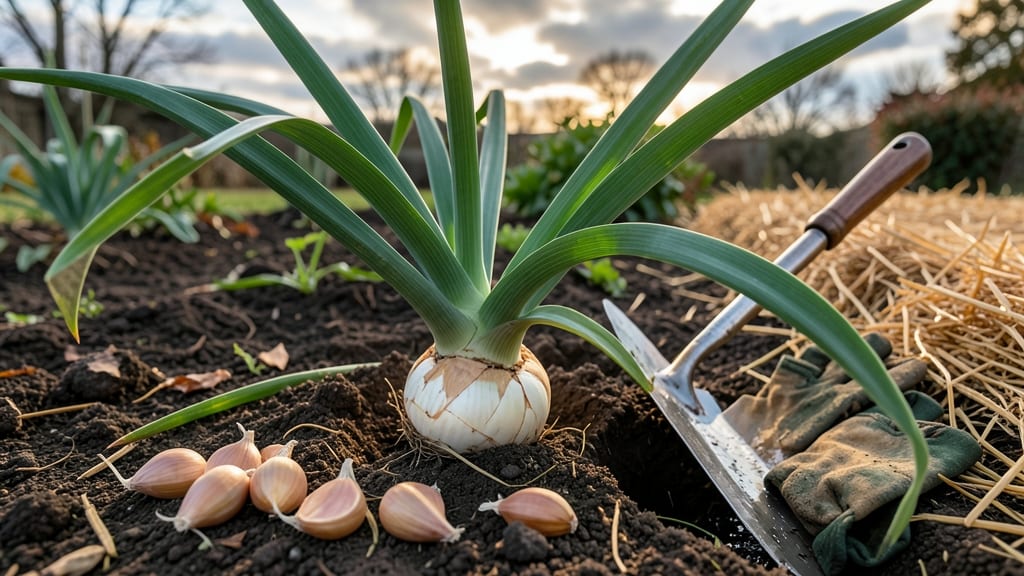
Planting garlic in Alabama at the right time can mean the difference between a thriving crop and a total flop—especially when you're dealing with hardneck varieties that need precise timing to form those prized bulbs.
The key window for fall planting is between October and November, but getting it wrong can leave your 🧄 cloves rotting in the ground or stunted before they even sprout.
Why does timing matter so much? Alabama's Zone 7b-8a climate gives you a narrow margin for error: plant too early, and your garlic may rot from excess moisture; too late, and the cold snaps could prevent proper bulb development.
I've learned the hard way that rushing the process leads to weak harvests, so let me walk you through the exact steps to nail your planting schedule.
You'll discover how to break bulbs correctly, space them for optimal growth, and prepare your soil to avoid common Alabama-specific pitfalls like clay-heavy conditions or sudden frost swings.
Plus, I'll share my go-to method for adjusting your schedule based on whether you're in North or South Alabama—because those regional differences can shift your deadline by weeks.
By the end, you'll have a clear plan to get your garlic in the ground at the perfect moment, ensuring a harvest of plump, flavorful bulbs ready by late April. Let's make this your most successful garlic-growing season yet!
Best fall planting dates for garlic in Alabama: hardneck variety guide
Alabama’s USDA Zones 7b-8a offer ideal conditions for growing hardneck garlic, but getting the timing right is crucial. Unlike cooler climates, Alabama’s mild winters and humid springs demand precise planting windows to avoid rot or poor bulb development.
The best time to plant garlic in Alabama is between mid-October and early November, when soil temperatures drop below 70°F but before hard frosts arrive.
For North Alabama (Zone 7b), aim to plant by October 15th to allow roots to establish before winter. In South Alabama (Zone 8a), you’ve got a slightly longer window—planting through mid-November works well.
The key is to give garlic 4-6 weeks of cool soil before the ground freezes solid, typically around mid-November in most areas.
Hardneck varieties like ‘Music’ or ‘German White’ thrive in Alabama’s climate, producing larger bulbs with flavorful scapes. Softneck varieties (like ‘Artichoke’) can also work but often struggle with the heat and humidity during summer. Focus on hardnecks for the best results in Alabama’s hot, humid summers.
🌱 Alabama Garlic Planting Comparison
| Variety Type | Best Planting Window | Soil Temp Threshold | Key Notes for Alabama |
|---|---|---|---|
| Hardneck (e.g., 'Music', 'German White') | Mid-October to early November | Below 70°F | Best for Alabama; produces scapes and large bulbs |
| Softneck (e.g., 'Artichoke') | Late October to December | Below 65°F | Struggles in Alabama heat; smaller bulbs |
| Elephant Garlic | Mid-October to November | Below 70°F | Mild flavor; good for beginners |
Check your local frost dates to fine-tune your timing. In North Alabama, the first hard frost often hits by November 15th, while South Alabama may see frosts as late as December 1st.
Use a soil thermometer to confirm temperatures are consistently below 70°F before planting—this prevents rot and encourages root growth.
If you miss the fall window, you can try planting in early spring (February), but bulbs will be smaller and less flavorful. Spring-planted garlic also faces higher risks of pests and diseases due to Alabama’s humid summers.
Stick to fall planting for the best results, and choose cloves from a local nursery to ensure they’re adapted to Alabama’s climate.
Break your garlic bulbs into individual cloves just before planting, but don’t remove the papery skin. Plant the pointy end up, about 2 inches deep and 4-6 inches apart in rows spaced 12 inches apart.
This spacing gives plants room to grow and reduces competition, which is especially important in Alabama’s clay-heavy soils.
Mulch heavily with straw or leaves after planting to insulate bulbs from temperature swings. Alabama’s winters can fluctuate wildly, and mulch helps maintain steady soil temperatures. Remove mulch in early spring once shoots emerge to prevent rot and encourage healthy growth.
Hardneck garlic planted in Alabama’s optimal window will produce scape shoots by late spring (March-April). Harvest scapes for cooking, but leave them on if you want larger bulbs.
Bulbs themselves are ready to harvest when lower leaves turn brown and papery skins form, typically in late April or May.
Pro tip: Mark your planting date on a garden calendar to track progress. Alabama’s 200-240 frost-free days give garlic plenty of time to mature, but rushing the process by planting too late can lead to small, weak bulbs.
When in doubt, plant on the earlier side—garlic is more forgiving of cooler temperatures than heat.
🌱
Best fall planting dates for garlic in Alabama: hardneck variety guide
Alabama’s Zone 7b-8a climate gives you a narrow but crucial window to plant garlic for a successful harvest. For hardneck varieties—the best choice for Alabama—the ideal timeframe is mid-October to early November.
This timing ensures your cloves establish roots before the ground freezes, while still allowing enough cold exposure to develop those prized bulbs.
Why this window? Planting too early (like late September) risks rot from excess moisture and fungal diseases common in Alabama’s humid fall. Too late (after mid-November), and your garlic may not get enough cold to form proper bulbs.
I’ve found that aiming for 4-6 weeks before your first hard frost (typically mid-November) strikes the perfect balance.
🧄 Garlic Planting Timeline for Alabama
| Region | Ideal Planting Window | Soil Temp Threshold | Key Consideration |
|---|---|---|---|
| North Alabama (Zone 7b) | Late October - Early November | 50-60°F | Earlier frost dates; prioritize root establishment |
| Central Alabama (Zone 8a) | Mid-October - Mid-November | 55-65°F | More flexible window; watch for early cold snaps |
| South Alabama (Zone 8a) | Late September - Early November | 60-70°F | Warmer soils; plant earlier but avoid wet conditions |
Hardneck varieties like ‘Music’ or ‘German White’ thrive in Alabama’s climate, producing those coveted scapes and sturdy bulbs. For softneck varieties (like ‘Artichoke’), you can extend planting slightly later, but they won’t produce scapes and may struggle with Alabama’s humidity.
Always choose organic, untreated bulbs from a reputable supplier to avoid introducing diseases to your garden.
Pro tip: Check your local Alabama Extension office for your exact frost dates—these can vary by just a few days each year.
I also recommend marking your calendar for November 15th as your absolute latest planting date, unless you’re in far South Alabama where mild winters allow for slightly later plantings.
Once you’ve nailed your planting window, focus on soil preparation—Alabama’s clay-heavy soils need special attention to ensure proper drainage. The next section will walk you through the 5 critical steps to get your soil ready for garlic, so you’re not left with soggy cloves or stunted growth.