
Plants
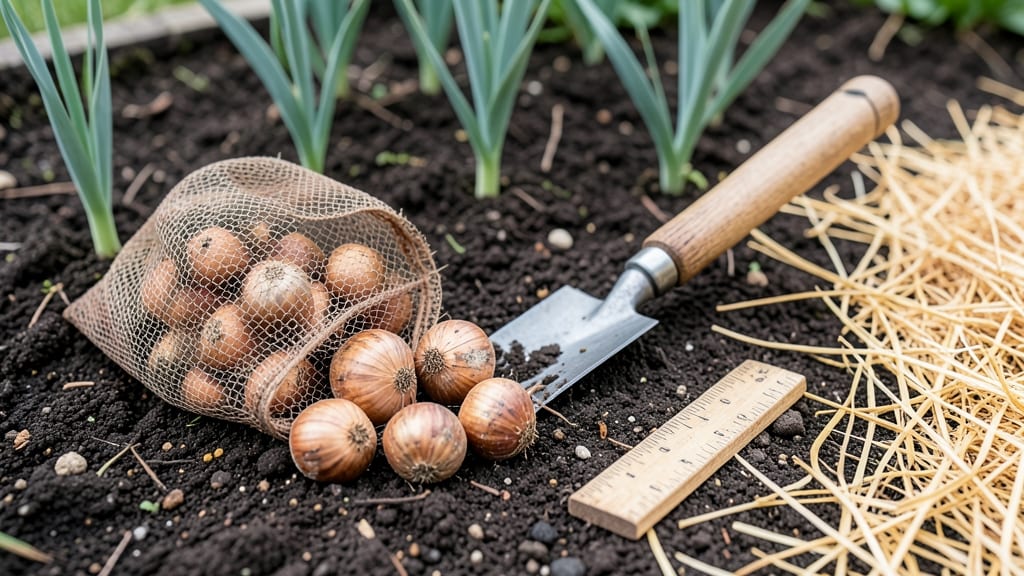
Planting tulips in Georgia at the wrong time can mean the difference between showstopping spring blooms and a sad pile of rotting bulbs. The perfect window? October through November, when soil temps drop but frost hasn't arrived yet—critical for zones 7b-8a where winters can be unpredictable.
Here's the secret: tulip bulbs need 6-8 weeks of chill time before the ground freezes, but they'll rot if planted too early. In Georgia's mild winters, timing matters even more—too soon, and your bulbs may sprout early and get fried by late freezes.
Too late, and they won't establish roots before winter sets in.
Whether you're in Atlanta's cooler Zone 7b or Savannah's warmer Zone 8a, I'll show you exactly when to plant for maximum blooms next spring. We'll cover soil prep, bulb depth, and how to adjust for those tricky early freezes that can sneak up on Georgia gardeners.
Ready to transform your yard into a springtime tulip paradise? Let's dive into the exact planting schedule—and why November is often the sweet spot for most of the state.
Georgia’s best planting months for tulips by heat Zone (7b vs 8a)
Georgia’s USDA Heat Zones 7b-8a create a unique challenge for tulip growers. In Zone 7b (northern GA, like Atlanta), winters dip to 10°F, while Zone 8a (southern GA, near Savannah) rarely drops below 15°F.
This difference affects when tulip bulbs should hit the ground—too early, and they’ll rot; too late, and they won’t bloom. Let’s break it down by zone to get those spring blooms just right.
For Zone 7b, aim to plant tulip bulbs between mid-October and early November. The first frost typically arrives by mid-November, so bulbs need 4-6 weeks to establish roots before the ground freezes.
In Zone 8a, where winters are milder, extend your window to late October through December. The key is planting when soil temps drop to 50-60°F—a sign roots will slow but bulbs won’t rot.
🌷 Pro Tip: Use a soil thermometer to check temps. If soil stays above 60°F for too long, bulbs may sprout prematurely and get fried by late winter warmth. In Zone 8a, this happens more often, so adjust your timeline accordingly.
| Zone | Best Planting Window | Soil Temp Threshold | Frost Risk |
|---|---|---|---|
| 7b (Atlanta, North GA) | Mid-October – Early November | 50–60°F | High (first frost: mid-Nov) |
| 8a (Savannah, South GA) | Late October – December | 55–65°F | Low (first frost: late Nov) |
🌱 Note: Adjust 1-2 weeks earlier if your area had an early frost last year.
Microclimates in Georgia add another layer. Urban areas like Atlanta often experience earlier frosts due to concrete absorbing heat, while rural or coastal spots in Zone 8a may stay warmer.
If you’re near the coast, you can push planting to early December, but avoid planting after Christmas—bulbs need 6-8 weeks of cold to bloom properly.
Another critical factor is bulb dormancy. Tulips need 12-16 weeks below 40°F to break dormancy. In Zone 8a, this is tricky—if winters are too mild, bulbs may sprout early and get damaged by late winter warmth.
To fix this, plant deeper (8 inches) or use mulch (4-6 inches) to insulate bulbs and regulate soil temps.
🌿 Regional Example: In Athens (Zone 7b), plant by October 20th to ensure blooms by April. In Savannah (Zone 8a), wait until November 1st—planting earlier risks rot in warmer soils. Always check your local extension office for frost dates, as they can vary yearly.
For container gardening in Georgia’s urban areas, plant bulbs in late November to avoid overheating. Use well-draining pots and place them in shaded spots until spring. This mimics the cooler, drier conditions bulbs need to dormancy correctly.
Finally, avoid planting in September unless you’re in Zone 8a’s mildest pockets. Early planting leads to premature sprouting, which weakens bulbs and reduces next year’s blooms. Instead, mark your calendar for October-November and make it a weekend project—your spring garden will thank you!
✂️ Quick Checklist Before Planting:
- Test soil temp (should be 50–65°F)
- Choose disease-resistant varieties (e.g., Darwin Hybrid tulips)
- Amend heavy clay soil with compost or sand
- Water deeply after planting to encourage root growth
Georgia’s best planting months for tulips by heat Zone (7b vs 8a)
Georgia’s Heat Zones 7b and 8a create two distinct planting windows for tulips. In Zone 7b (northern GA, including Atlanta), aim for October 15–November 15—this gives bulbs time to root before the average first frost around November 15.
In Zone 8a (south GA, like Savannah), extend your window to November 1–December 1 due to milder winters.
Why the difference? Zone 8a’s warmer winters delay frost, but bulbs still need 6-8 weeks of chill time (40–50°F soil temps) to bloom well. Plant too early, and they’ll rot; too late, and they won’t establish roots before winter sets in.
| Zone | Best Planting Window | Soil Temp Goal | Frost Risk |
|---|---|---|---|
| 7b (Atlanta) | October 15–November 15 | 50–60°F | High (avg. first frost: Nov 15) |
| 8a (Savannah) | November 1–December 1 | 55–65°F | Low (avg. first frost: Dec 1) |
Use a soil thermometer to confirm temps—ideal planting soil should be 50–60°F (Zone 7b) or 55–65°F (Zone 8a). If temps drop below 40°F, wait until conditions stabilize. For early freezes (common in Zone 7b), plant Darwin hybrid tulips—they’re hardier and bloom later.
Adjust for microclimates: Shaded areas or low spots may frost earlier. In Zone 8a, watch for false springs—tulips sprouting too early can get fried by late freezes. Use mulch (straw or pine needles) to insulate bulbs if temps dip unexpectedly.
Pro tip: In Zone 8a, consider container planting for flexibility—move pots to a garage or shed if early sprouts appear. For in-ground plantings, choose deer-resistant varieties like ‘Apeldoorn’ or ‘Ice Cream’ to avoid browsing damage.
Remember: November is the safest month for most of Georgia—it balances frost risk and bulb dormancy needs. Mark your calendar and set a reminder to plant before the ground freezes solid!