
Plants
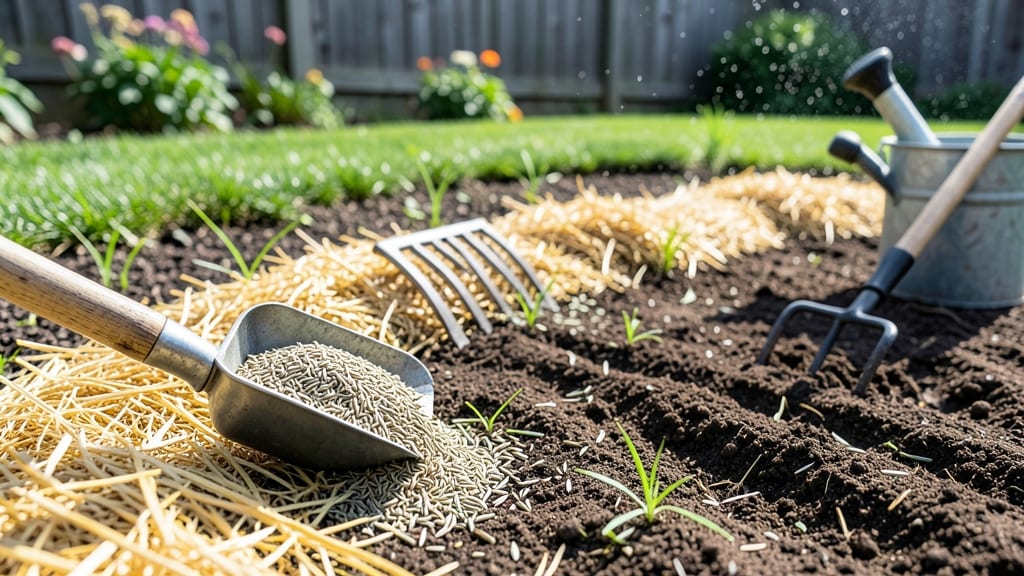
If you're wondering when to plant grass seed in the fall for the thickest, most resilient lawn, timing is your secret weapon. Plant too early, and weeds steal the show; too late, and winter nips your progress in the bud.
The magic happens in that sweet spot between 4-6 weeks before your first frost—when soil stays warm enough for roots to take hold but cool enough to slow weed growth.
For most of us in USDA Zone 6a, that window opens around mid-September and closes by early October. But here's the thing: your exact timing depends on your local climate.
In cooler northern regions, you might push it to late October, while southern areas can stretch planting into November. The key is soil temperature—aim for 50-65°F—not just calendar dates.
Why does this matter? Fall planting gives your grass seed a head start on root development before winter dormancy. Those deep roots mean a stronger lawn next spring, with less watering and fewer weeds to fight.
I'll show you exactly how to read your climate's signals and prepare your soil for success—so you can skip the guesswork and get it right the first time.
Ready to transform your yard? Let's break down the best practices for your region, from soil prep to post-planting care, so your grass seed gets the perfect fall start. Your future lawn will thank you!
Optimal fall planting window by climate Zone: northern vs southern regions
Fall is my favorite time to plant grass seed because cooler temperatures and longer daylight hours create perfect conditions for germination. The key is planting 4-6 weeks before your first frost date—this gives grass seedlings enough time to establish deep roots before winter dormancy.
But the exact timing varies dramatically depending on whether you live in the northern cold zones or southern milder climates. Let’s break it down by region.
For most of the U.S., the ideal window falls between early September and mid-October. In USDA Zones 3-5 (think Minnesota, Maine, or the Dakotas), you’ll want to plant by mid-September at the latest. In Zones 6-7 (like Chicago or Denver), aim for late September to early October.
Southern regions (Zones 8-10) can push it even later—October through November—as long as soil stays above 50°F.
Soil temperature is your best indicator. Grass seed needs soil between 50°F and 65°F to germinate properly. Use a soil thermometer to check—if it’s dropping below 50°F at night, it’s time to plant.
In cooler climates, this often means late August or early September, while warmer southern areas can wait until October or November.
Here’s the critical trade-off: Planting too early (like July) gives weeds a head start, while planting too late (November or December) risks weak root growth before winter. The 4-6 week rule balances these risks beautifully—just adjust based on your frost dates.
🌱 PRO TIP: Check your local USDA Plant Hardiness Zone and average first frost date (try the Old Farmer’s Almanac website). Subtract 4-6 weeks to pinpoint your perfect planting window.
| Climate Zone | Ideal Planting Window | Soil Temp Threshold | Key Consideration |
|---|---|---|---|
| Zones 3-5 (Cold) | Mid-August to Mid-September | 50°F–60°F | Weed competition high; plant early |
| Zones 6-7 (Temperate) | Late September to Early October | 55°F–65°F | Balanced window for root growth |
| Zones 8-10 (Mild) | October to November | 60°F–70°F | Later planting possible; watch for frost |
*Adjust based on your specific last frost date and soil conditions.
If you’re in a transition zone (like Zone 7b), pay extra attention to nighttime temperatures. Grass seed struggles to germinate if soil temps drop below 50°F at night, even if daytime highs are warm.
In these cases, late September is your safest bet—it gives seedlings time to root before winter sets in.
Another pro move? Test your soil’s readiness with a simple DIY check: Dig a 6-inch hole, fill it with water, and time how long it takes to drain.
If it drains in 2 hours, your soil is ready. If it’s still soggy after 4+ hours, wait a week or two for better drainage.
Regional microclimates also play a role. For example, mountainous areas (like Colorado or the Appalachians) can have 10°F+ cooler nights than nearby valleys, so plant 2 weeks earlier than the general zone guidelines. Conversely, urban heat islands (like downtown Atlanta) might let you plant 1-2 weeks later than rural areas.
Finally, don’t overlook grass seed variety. Cool-season grasses (like Kentucky Bluegrass or Tall Fescue) thrive in fall, while warm-season grasses (like Bermuda or Zoysia) should be planted in late spring or early summer.
Always check the seed packet for recommended planting windows—some varieties are more frost-tolerant than others.
With the right timing, your fall-planted grass will outperform spring plantings by establishing deeper roots and crowding out weeds. Now grab that soil thermometer and get planting!
5 Signs your fall grass seed planting timing is perfect (or too late)
Timing your fall grass seed planting correctly isn’t just about checking a calendar—it’s about reading your yard’s signals. The perfect window exists when your soil and climate align for optimal germination without winter risks. Here’s how to know when you’ve got it right (or when you’ve waited too long).
First, check your soil temperature—it’s the #1 indicator. Use a soil thermometer to confirm temperatures between 50-65°F. If it’s warmer than 65°F, weeds will outcompete your grass seed. If it’s below 50°F, germination slows to a crawl. This is your sweet spot for fall planting success.
Next, look for weed suppression. If weeds are already sprouting aggressively, you’ve missed the boat—planting too early means they’ll steal nutrients and sunlight from your grass. Aim for a yard where weeds are dormant or just waking up, signaling cooler soil and fewer competitors.
Soil Temp Check: 50-65°F (use a thermometer)
Weed Dormancy: Few weeds = perfect timing
Moisture Balance: Soil should be damp, not soggy
Frost Forecast: 4-6 weeks until first frost
Grass Sprouts: Seedlings appear in 7-21 days
Don’t overlook moisture levels—your soil should feel like a wrung-out sponge. Too dry, and your seed won’t germinate; too wet, and it risks rot. Stick your finger 1-2 inches deep: if it’s damp but not muddy, you’re golden.
Pro tip: Water lightly the day before planting to prep the soil without drowning it.
Keep an eye on the 10-day frost forecast. If frost is predicted within 4 weeks, your window is closing fast. Grass seed needs time to establish roots before winter dormancy.
In USDA Zone 6a, this usually means planting by mid-October, but always double-check local weather trends—sudden cold snaps can sneak up.
Finally, watch for grass seedlings. If you’ve planted correctly, you’ll see tiny sprouts in 7-21 days. If nothing appears after 3 weeks, your timing might’ve been off—either too late (cold soil) or too early (weed competition). Adjust next year by planting 2-3 weeks earlier for optimal results.
Your lawn’s future depends on these signs—don’t guess, observe! With the right timing, your grass will have a head start next spring, outpacing weeds and drought. Happy planting! 🌱