
Plants
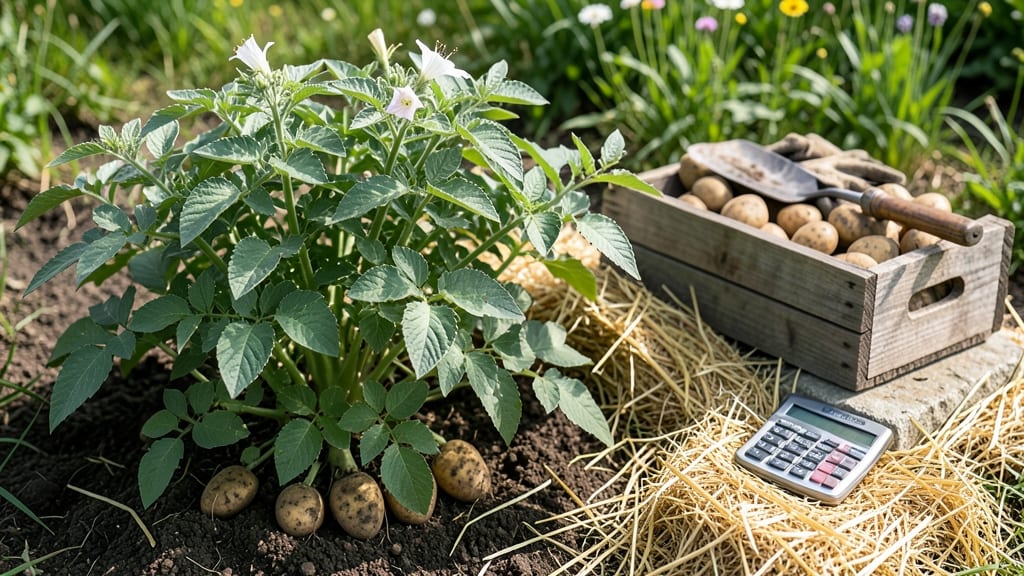
Planting potatoes in Georgia at the wrong time can turn your 🥔 dreams into a bitter disappointment—literally. Too early, and your spuds bolt into flower, leaving you with tough, inedible tubers. Too late, and you risk stunted growth from Georgia’s sweltering heat.
But here’s the secret: mastering the chill-hour safe window—those crucial cold nights that signal it’s time to plant—can mean the difference between a zero-bolt harvest and a failed crop. Whether you’re in the Piedmont’s cooler hills or the Coastal Plain’s warmer lowlands, timing is everything.
I’ll break down exactly when to plant for your specific zone, how to prep your soil, and which varieties thrive in Georgia’s climate. No more guesswork—just perfectly timed potatoes that grow big and delicious.
Ready to dig into the details? Let’s get your 🥔 season off to the right start—no bitter surprises included.
Georgia’s chill-hour requirements: how cold nights affect potato planting timing
Potatoes thrive when they experience the right amount of chill hours—those magical 300-500 hours below 45°F that signal it’s time to grow. In Georgia, where winters are mild, this becomes tricky.
Too few chill hours, and your seed potatoes might bolt prematurely, sending up bitter green shoots instead of storing energy in tubers. Too many, and you risk stunted growth or even rot.
Georgia’s USDA Zones 7b-8b mean we don’t get the deep freezes of northern states, but that doesn’t mean chill hours aren’t critical. North Georgia (like Atlanta and the mountains) often accumulates 400-500 chill hours, while South Georgia (Savannah, Macon) might only hit 200-300 hours.
This difference dictates whether you can plant early varieties in January or must wait until March.
Chill-hour accumulation starts counting when nighttime temperatures dip below 45°F consistently. Use a chill-hour tracker or local weather station data to monitor progress. For example, in Gainesville (North GA), chill hours typically peak by early February, while in Valdosta (South GA), you might not hit your target until late February or March.
Here’s the catch: Early varieties (like ‘Yukon Gold’) need fewer chill hours (300 hours), while late varieties (like ‘Russet Burbank’) demand closer to 500 hours.
If you’re in Zone 8b, you’ll likely need to focus on bolt-resistant varieties or use row covers to extend your planting window.
To calculate your local chill-hour total, check your last frost date (usually mid-March in North GA, early March in South GA) and work backward. Plant seed potatoes 4-6 weeks before your area’s average last frost, but only when soil temperatures hit 45°F.
Use a soil thermometer to avoid guessing—cold soil can delay sprouting.
| Region | Avg. Chill Hours | Ideal Planting Window | Best Varieties |
|---|---|---|---|
| North Georgia (Zone 7b) | 400-500 | Late Jan - Early Mar | Yukon Gold, Red LaSoda, Kennebec |
| Central Georgia (Zone 8a) | 300-400 | Feb - Mid-Mar | Adirondack Red, Fingerling, Purple Viking |
| South Georgia (Zone 8b) | 200-300 | Mid-Mar - Early Apr | Sweet Potato (yes!), Early Girl, Irish Cobbler |
If you’re in a warmer microclimate (like near the coast), you might need to pre-chill your seed potatoes. Store them in a cool, dark place (35-40°F) for 4-6 weeks before planting to mimic winter conditions.
This trick works wonders for South Georgia gardeners who want to plant early varieties like ‘Early Girl’.
Another pro tip: Stagger your planting by 2-3 weeks to extend your harvest season. For example, plant a batch in February for early potatoes and another in March for a late-season crop. This strategy ensures you’re never without fresh spuds and maximizes your chill-hour safe window.
Watch out for false springs, where warm days trick potatoes into sprouting too early. If your plants emerge and then get hit by a late frost, they’ll struggle to recover.
To avoid this, use frost cloth or plant in raised beds, which warm up faster in the spring.
Remember, soil temperature matters more than air temperature. Even if the air is warm, cold soil can delay germination. Aim for 50-60°F soil temps—this is your green light to plant. Use a soil thermometer for accuracy, especially in North Georgia, where soil stays cooler longer.
By mastering Georgia’s chill-hour requirements, you’ll unlock the secret to zero-bolt harvests and bountiful spuds. Start tracking those chill hours now, and get ready to dig into a successful potato season! 🥔
Optimal planting months in Georgia: month-by-month breakdown for zero-bolt harvests
Georgia’s mild winters and long growing season create a unique window for planting potatoes, but timing is critical. The ideal soil temperature for planting is between 50-60°F, and you’ll want to avoid frost risks while ensuring enough chill hours to prevent bolting.
Let’s break down the best months for planting in both North Georgia and South Georgia.
For North Georgia (USDA Zones 7b-8a), the sweet spot is late February through early March. This aligns with the last frost date (typically mid-March) and ensures your seed potatoes get the 300-500 chill hours they need without bolting prematurely.
Early varieties like 'Red Pontiac' can even go in as early as January under row covers for a head start.
In South Georgia (Zones 8a-8b), where winters are even milder, aim for mid-March to early April. The soil warms faster here, but the risk of late frosts lingers until mid-April.
Late varieties like 'Yukon Gold' thrive when planted in April, giving them enough time to mature before summer heat sets in.
Pro tip: Use a soil thermometer to confirm temps before planting. Cold soil delays sprouting, while warm soil (above 65°F) can stress young plants. Cut your seed potatoes into 1.5-inch chunks with at least 2-3 eyes 1-2 days before planting to speed germination.
For organic growers, add compost or well-rotted manure to planting holes to boost nutrient uptake. Mulch with straw or grass clippings to retain moisture and regulate soil temps—critical for preventing bolt-inducing stress.
Remember: Staggered planting every 2-3 weeks extends your harvest. Start with early varieties in February, follow with mid-season in March, and finish with late varieties in April for a continuous supply of fresh spuds!