
Plants
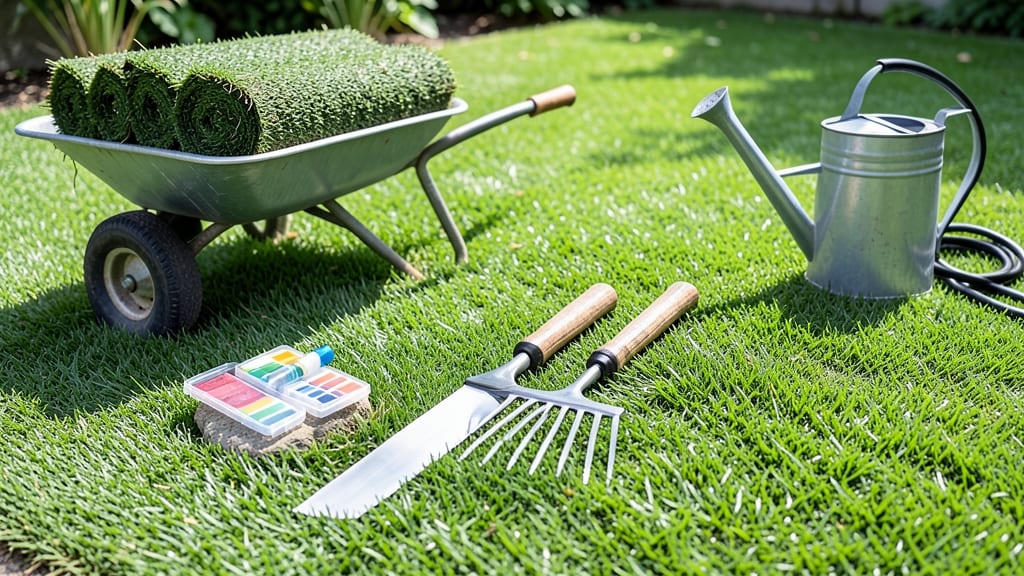
Planting your 🌱 sod (turfgrass) in Texas at the wrong time can turn your lawn dreams into a wilting nightmare—scorching summers and unpredictable weather make timing the key to success.
If you've ever watched your fresh sod brown under the relentless sun or struggle to take root in sweltering heat, you know how critical this decision is.
Most Texas gardeners swear by early fall planting, but did you know late winter to early spring can also work if you play your cards right? The difference between thriving green grass and patchy disappointment often comes down to soil temperatures and regional microclimates.
Let me show you exactly when to plant for that perfect, lush lawn.
We'll break down the two best windows—August-September for fall planting and February-March for spring—and why they matter most in Texas' 6a-10a zones. Plus, I'll reveal the three biggest mistakes that ruin sod projects before they even begin.
Whether you're in North Texas dealing with cooler nights or South Texas battling summer heat, these insights will help you avoid costly errors and get your lawn off to the best possible start. Ready to transform your yard?
Texas sod planting seasons: ideal months for perfect growth
Texas' diverse climate zones (6a-10a) create unique challenges for sod planting, but two windows stand out as ideal: late winter to early spring and early fall.
The key factor? soil temperatures between 60°F and 75°F—this range gives your sod the perfect environment to establish strong roots before facing Texas' extreme heat or cold.
Most Texas gardeners prefer early fall planting (August-September) because it allows sod to root before winter's chill sets in. This timing avoids the brutal summer heat while still providing enough growing time. However, late winter to early spring (February-March) works too, especially in North Texas where winters are milder.
In South Texas (zones 9a-10a), you can push planting slightly later into October since frost is rare. Meanwhile, North Texas (zones 7a-8a) gardeners should aim for March planting to avoid early spring freezes. The difference between success and failure often comes down to these regional microclimates.
Here's why these windows work best: Fall planting gives sod 6-8 weeks of warm soil before winter slows growth. Spring planting catches the early growing season before summer's heat stresses new roots. Both avoid the critical mistake of planting during Texas' 100°F+ summers, when sod struggles to establish.
🌱 Pro Tip: Use a soil thermometer to check temperatures before planting. If your soil is above 75°F, wait—your sod will thank you with deeper roots and greener growth.
| Planting Window | Ideal Months | Soil Temp Range | Key Benefit |
|---|---|---|---|
| Early Fall | August-September | 60°F-75°F | Avoids summer heat, roots before winter |
| Late Winter | February-March | 60°F-70°F | Catches early growing season |
| South Texas Extension | October | 65°F-75°F | Leverages mild winters |
For North Texas gardeners, aim to plant 4-6 weeks before your area's first frost date (typically early December). This gives your sod time to establish before winter dormancy. In Central Texas, you have more flexibility—planting through early October often works because frost comes later.
One common mistake is planting too late in fall, leaving sod vulnerable to winter desiccation (when dry winds suck moisture from grass). Always check your local frost dates and adjust accordingly. For example, Amarillo (zone 7b) needs earlier planting than San Antonio (zone 8b).
💧 Watering Tip: After planting, water immediately and maintain 1-1.5 inches of water weekly for the first two weeks. This keeps the sod's roots moist during the critical establishment phase, regardless of which window you choose.
Remember, Texas' summer heat (June-August) is the worst time to plant sod—temperatures often exceed 90°F+, causing sod to dry out and fail. Even shade won't protect it from the stress of establishing roots in extreme heat. Always prioritize fall or spring for the best results.
Finally, consider your sod variety. Bermuda grass thrives in South Texas' heat but needs early fall planting. St. Augustine prefers Central Texas' humidity and does well in late spring. Tall fescue is ideal for North Texas' cooler climate and benefits from spring planting.
Texas sod planting seasons: ideal months for perfect growth
Texas gardeners know that timing is everything when planting sod—especially in our 6a-10a climate zones. The two best windows for optimal sod growth are early fall (August-September) and late winter to early spring (February-March).
These periods offer ideal soil temperatures (60°F-75°F) that encourage root establishment without stressing the grass.
Fall planting is my top recommendation because cooler temperatures reduce water evaporation and heat stress on new sod. The sod has 4-6 weeks of warm soil before winter slows growth, giving roots time to anchor deeply.
Spring planting works too, but you must act fast—wait until after last frost dates (North Texas: ~February 15, Central Texas: ~February 1) to avoid cold snaps.
Here’s why these seasons win: Fall sod gets a head start on spring growth, while spring sod benefits from longer daylight hours for rapid establishment. Both avoid the summer heat that can bake sod roots or the winter chill that stunts growth.
| Season | Ideal Months | Soil Temp | Key Benefit |
|---|---|---|---|
| Fall | August-September | 65°F-75°F | Root growth before winter |
| Spring | February-March | 60°F-70°F | Longer daylight for establishment |
| Avoid | June-July | 85°F+ | Heat stress and drought risk |
Texas’ regional microclimates also play a role. In North Texas (USDA 7a-8a), aim for late August to early September to beat fall rains. Central Texas (8b-9a) can extend planting into October, while South Texas (9b-10a) may push to November thanks to milder winters.
Always check your local last frost dates to avoid cold damage.
Pro tip: Use a soil thermometer to confirm temps are in the 60°F-75°F range before planting. If soil runs hotter, wait—root establishment suffers when sod bakes in the sun. I’ve seen sod fail spectacularly when planted in 100°F+ soil—don’t let that be you!
For fastest results, combine proper timing with pre-plant soil prep: till the area, remove debris, and add compost or fertilizer (16-4-8 NPK) 1-2 weeks before laying sod. This gives roots a nutrient boost from day one.