
Planting
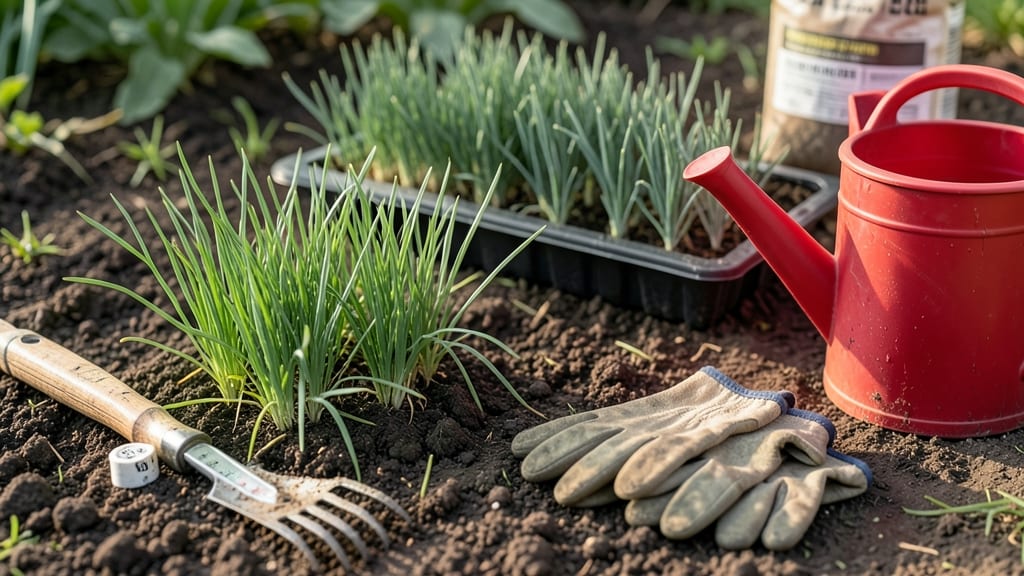
Planting grass in the spring at the wrong time can mean thin patches, weeds taking over, or wasted seed money—but get it right, and you’ll enjoy lush green lawns all summer long.
The key is understanding your local climate and soil conditions, which can make all the difference between success and frustration.
For most regions, like USDA Zone 6a, the ideal window opens 4-6 weeks before your last frost date, typically in early March or April. This timing gives grass seedlings enough time to establish roots before summer heat arrives, but planting too early risks frost damage.
I’ll show you exactly how to check soil temperature and frost risk so you never guess again.
Whether you’re in a cooler northern climate or a warmer southern zone, the right approach depends on your grass type and local weather patterns. Cool-season grasses thrive in early spring, while warm-season varieties prefer late spring or early summer.
Let’s break down the best planting weeks for your area and the simple steps to prepare your soil for success.
Ready to transform your yard into a vibrant, healthy lawn? I’ll walk you through everything—from choosing the perfect week to avoid common mistakes that ruin grass planting. Let’s get started!
Best spring grass planting weeks by US climate Zone (with exact dates)
Getting your spring grass planting timeline right means the difference between a thick, green lawn and patchy, weed-infested disappointment. The key? Understanding your USDA climate zone and adjusting for soil temperatures and frost risk.
Cool-season grasses (like tall fescue or Kentucky bluegrass) thrive in northern zones, while warm-season types (like Bermuda or Zoysia) need southern warmth to establish properly.
I’ve broken down the ideal planting weeks for each zone, including exact dates for early spring (Zones 3-6) and late spring (Zones 7-10) to help you avoid common mistakes like planting too early (frost damage) or too late (summer heat stress).
For example, in Zone 5, you’ll want to plant 4-6 weeks before your last frost date, while Zone 9 gardeners should aim for late spring to early summer to escape the heat.
Why timing matters: Grass seed needs consistent soil temps between 60°F and 75°F to germinate properly. Plant too early, and frost will kill tender sprouts. Too late, and summer drought or heat will stunt growth. Below is your zone-by-zone planting schedule, including cool-season and warm-season grasses.
In Zones 3-4, where winters are harsh, I recommend planting tall fescue or fine fescue in mid-April to early May—this gives seedlings time to establish before summer heat sets in.
The soil should be at least 50°F and free of frost risk. A soil thermometer is your best friend here; if temps dip below 50°F, wait another week.
For Zones 5-6, where frost is still a threat but summers are warmer, Kentucky bluegrass and perennial ryegrass are ideal. Aim for late April to mid-May, ensuring you’re 4-6 weeks out from your last frost date.
Check your local National Weather Service frost forecast—planting too early can mean frost-killed seedlings, while waiting too long risks summer dormancy.
Southern gardeners in Zones 7-10 have a wider window but must avoid peak summer heat. Bermuda grass thrives when planted in early May to June, while Zoysia or St. Augustine can handle late spring to early summer plantings.
The key is keeping soil moist—1 inch of water per week—until roots establish. In Zone 10, where summers are brutal, I often recommend shade-tolerant grasses like St. Augustine for lawns under trees.
One pro tip I swear by: If you’re unsure about your zone, use the USDA Plant Hardiness Zone Map and cross-reference with your local cooperative extension service. They’ll give you hyper-local advice on frost dates and soil conditions.
For example, Denver (Zone 5) might have a last frost in mid-May, while Seattle (also Zone 8) could see frost as late as June—a huge difference for grass planting!
Finally, remember that soil prep is just as critical as timing. Loosen the top 4 inches of soil, remove debris, and level the area before seeding. In
How to check soil temperature and frost risk before planting grass
Before you rush out to buy grass seed, checking your soil temperature and frost risk is the secret to avoiding wasted money and patchy lawns. Cool-season grasses like Kentucky bluegrass and fescue need soil temps between 50-65°F to germinate, while warm-season types like Bermuda or Zoysia prefer 65-75°F.
Planting too early when soil is still cold can leave seeds dormant or even rot.
Even if your local forecast says "spring is here," don’t trust it blindly. A late frost can wipe out your new seedlings in minutes. I’ve seen March planting go from hopeful to heartbreaking when a surprise frost hit.
The key is verifying both soil warmth and frost-free dates with science, not guesswork.
Here’s how I check soil readiness: Grab a soil thermometer (just $10 at garden centers) and take readings at 4-inch depth in full sun—this mimics where seeds will be.
For cool-season grasses, wait until temps stay above 50°F for at least 5 days. For warm-season types, aim for 65°F+ consistently.
🌱 Step-by-Step Soil & Frost Checklist
-
1. Test Soil Temp
Use a thermometer at 4-inch depth in full sun for 3 days to confirm consistency. -
2. Check Frost Dates
Visit National Weather Service for your last frost date (typically 4-6 weeks before planting). -
3. Verify Moisture
Soil should be damp but not soggy—like a wrung-out sponge. Water lightly if dry. -
4. Monitor Forecasts
Watch for 5-day forecasts—if frost is predicted, delay planting 2-3 weeks.
Pro Tip: Early mornings are best for testing—soil cools overnight and gives the most accurate reading.
Don’t overlook frost risk—even if your area rarely gets frost, a late-season cold snap can kill young grass. I once planted tall fescue in early April, only for a 28°F night to turn my yard into a sad, brown carpet.
Always plant 4-6 weeks before your last frost date to give seedlings time to develop roots.
For extra peace of mind, use a frost cloth (a lightweight row cover) if you’re planting near the edge of your frost-free window. It’s a small investment that can save your entire lawn.
And remember: warm-season grasses like centipede or St. Augustine need to wait until soil is at least 65°F—don’t rush them just because your neighbors are seeding!
Once you’ve confirmed your soil is warm enough and frost is behind you, it’s time to prep your soil with compost and a light raking. But first, double-check with your local Cooperative Extension Service—they’ll give you hyper-local advice tailored to your microclimate. Your future lawn will thank you!