
Plants
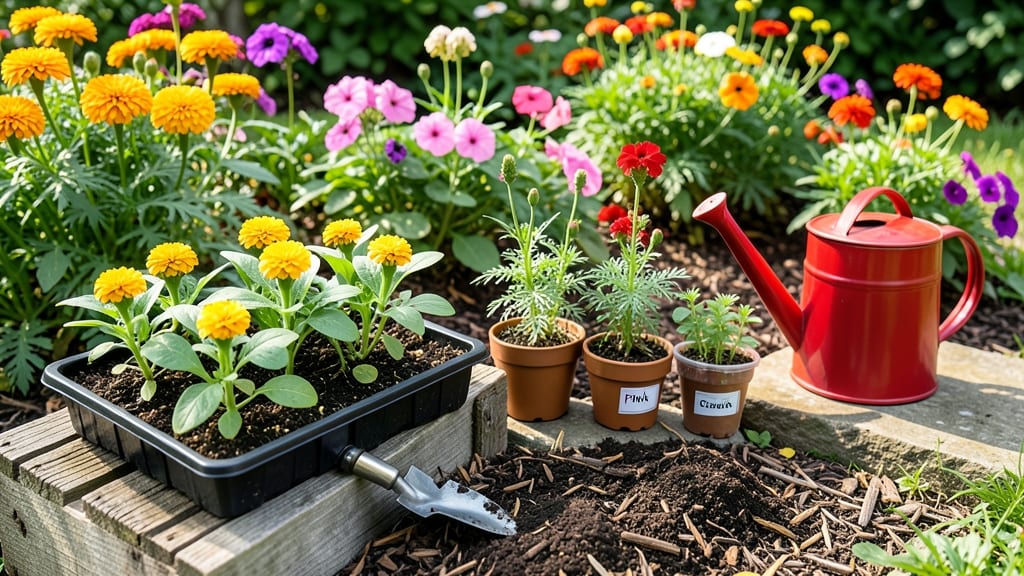
Planting annuals in Missouri at the wrong time can mean the difference between a showstopping garden and a sad, wilted mess—especially when last frost dates vary by 50 miles.
Whether you're in St. Louis or rural 5b-6b zones, getting the timing right ensures your 🌸 blooms thrive from May through October.
I’ve spent years tracking Missouri’s unpredictable frost patterns, and the key is knowing when to start seeds indoors versus transplanting hardened-off seedlings. Too early, and a late frost will zap your progress; too late, and summer heat arrives before your petunias or zinnias even get a chance to shine.
In this guide, I’ll break down the exact planting windows for your county—plus the best annuals for Missouri’s climate—so you can avoid common mistakes and enjoy vibrant blooms all season. Let’s get your garden on the right track.
From soil temperature checks to adjusting for microclimates, we’ll cover everything you need to make your annuals flourish, no matter where you are in the state. Ready to transform your yard?
Missouri county frost dates: when to plant annuals for maximum blooms
Missouri’s diverse climate means frost dates vary dramatically across regions—from northern counties with late springs to southern areas that warm up faster. Understanding these last frost dates is critical for timing your annual flower plantings to avoid frost damage or missed blooms.
For cool-season annuals like pansies or snapdragons, start seeds 6-8 weeks before your last frost date. Meanwhile, heat-loving varieties such as zinnias or marigolds should wait until after soil warms to 60°F—typically mid-May in most regions.
Here’s how Missouri’s three main regions differ in frost timing, along with the best planting windows for both spring and fall annuals:
For northern Missouri, where frosts linger until early May, prioritize heat-tolerant annuals like cosmos or sunflowers. In southern regions, you can even squeeze in late-summer plantings of marigolds or zinnias for fall color.
Pro tip: Use row covers to extend your spring planting window by 2–3 weeks if frost threatens. This works especially well for tender annuals like petunias or geraniums.
Missouri’s first fall frost typically arrives between mid-October and early November, giving you a 120–140-day growing season for annuals. Plan fall plantings by late July to mid-August for varieties like pansies or dusty miller to bloom before winter.
Check your local county extension office for precise frost dates—some years can vary by 1–2 weeks due to unpredictable weather. For example, St. Louis often sees its last frost around April 15, while Kansas City may wait until May 1.
Always harden off seedlings for 7–10 days before transplanting, especially if nighttime temperatures dip below 50°F. This prepares them for Missouri’s variable spring weather.
For container gardening, you can plant annuals 2–4 weeks later than in-ground plantings, as containers warm up faster. Just ensure they’re in protected spots if frost is forecasted.
🌸
Best annual flowers for Missouri’s climate and when to start them indoors
Missouri’s variable climate means some annuals thrive in spring’s cool snaps, while others need summer heat to bloom. Heat-loving zinnias and marigolds can’t handle frost, but pansies and snapdragons handle cooler temps beautifully. Knowing which to start indoors—and when—sets your garden up for a long, colorful season.
For Missouri’s shortest growing seasons (like the Ozarks), start heat-lovers indoors 6-8 weeks before last frost (early March).
In longer-season zones (St. Louis, Kansas City), you can push that to 4-6 weeks for faster blooms. Cool-season annuals like calendulas and stock can even handle light frosts, so they’re safer to plant earlier.
Missouri’s late spring frosts (even in May!) can catch gardeners off guard. Petunias and geraniums, for example, need consistent warmth to establish roots.
If nighttime temps dip below 50°F, cover young plants with frost cloth or wait until soil warms up. Cosmos and black-eyed Susans are forgiving—they self-seed easily, so you can even direct-sow them in late May for summer blooms.
For fall color, don’t overlook late-summer plantings. Marigolds and zinnias sown in early August will still bloom into October before frost. Just keep an eye on first frost dates—northern Missouri’s first frost often arrives by mid-October, while southern areas may stretch into November.
Pro tip: Use Missouri Botanical Garden’s frost maps to track your local last frost date. Adjust your schedule by 1-2 weeks if you’re in a microclimate (like a south-facing slope that warms faster). With the right timing, your annuals will bloom nonstop from May to frost!