
Trees
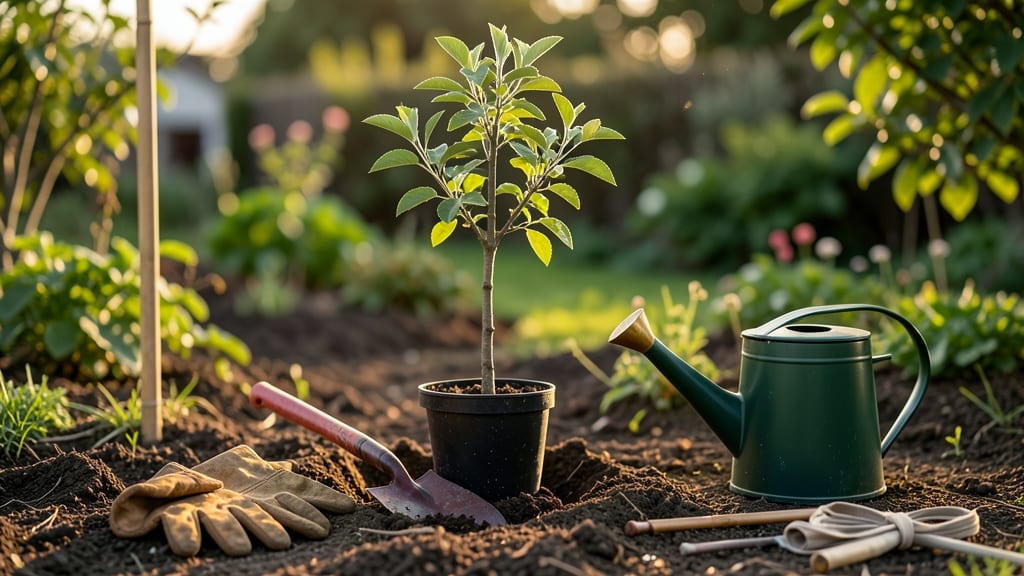
Timing your apple tree planting in Oregon isn’t just about the calendar—it’s about understanding the chill-hour zones that separate a thriving orchard from a struggling sapling. Plant too early, and your 🍎 might face frost damage; too late, and it won’t establish roots before summer heat hits.
In Oregon’s 7b-9a zones, the sweet spot is late winter to early spring—February through April—when the ground is workable but buds haven’t yet swelled. This window aligns with nature’s rhythm, giving young trees the 3-4 months they need to root before the growing season kicks in.
But here’s the catch: Western Oregon’s milder winters (like Portland’s) play by different rules than Eastern Oregon’s colder snaps (think Bend or La Grande).
I’ll break down exactly how to match your microclimate to the perfect planting date—plus, whether bare-root or potted trees give you the edge in your specific zone.
Ready to avoid the top 3 mistakes Oregon gardeners make? Let’s dive into the science and schedules that’ll set your apple trees up for a lifetime of harvests—no guesswork required.
Oregon’s chill-hour zones: matching apple varieties to planting timing
Oregon’s climate ranges from mild coastal winters in the Willamette Valley to harsh High Desert freezes in Eastern Oregon. This diversity means chill-hour requirements (hours below 45°F) dictate which apple varieties thrive—and when to plant them.
Most Oregon apple trees need 300–1,000 chill hours, but some low-chill varieties (like Fuji) adapt better to warmer microclimates.
For example, Gala and Honeycrisp require 500–800 chill hours, making them ideal for Western Oregon’s cooler zones. Meanwhile, Granny Smith (a high-chill variety at 900+ hours) thrives in Eastern Oregon’s colder winters.
Planting at the wrong time—like too early in Southern Oregon’s mild winters—can delay dormancy and reduce fruit set.
Here’s how chill hours align with planting timing across Oregon’s regions:
| Variety | Chill Hours Needed | Best Oregon Region | Ideal Planting Month |
|---|---|---|---|
| Fuji | 300–500 | Western OR (Willamette Valley) | March–April |
| Gala | 500–700 | Western OR, Southern OR | February–March |
| Honeycrisp | 600–800 | Western OR, Mid-Willamette | March–April |
| Granny Smith | 900–1,200 | Eastern OR, High Desert | February–March |
| Pink Lady | 400–600 | Southern OR, Coastal | March–April |
Timing matters because apple trees need dormancy periods to set buds properly. Planting bare-root trees in late winter (February–March) ensures roots establish before buds swell in spring. Container-grown trees, however, can handle early spring (April) plantings, as their roots are less stressed.
In Eastern Oregon, colder winters mean earlier planting (February) to avoid late-spring frosts that can damage blossoms. Meanwhile, Southern Oregon’s mild winters allow March–April plantings, but varieties like Fuji may struggle if chill hours drop below 400.
Pro tip: Use local chill-hour maps (like Oregon State University’s) to pick varieties. For example, Honeycrisp in Bend (high chill) may not thrive in Medford (low chill). Always check microclimates—a south-facing slope can add 100+ chill hours compared to a valley floor.
For pollination success, plant at least two compatible varieties (e.g., Gala + Honeycrisp) and space them 30–50 feet apart. Cross-pollination boosts fruit set, but timing matters—both trees should bloom within 1–2 weeks of each other.
If you’re in Zone 8 (Southern OR), avoid high-chill varieties like McIntosh—they’ll produce small, poor-quality fruit. Instead, opt for low-chill apples or use artificial chilling (like a refrigerator setup) for bare-root trees before planting.
Finally, soil temperature matters: Roots need 40–50°F soil to grow. In Eastern Oregon, wait until ground thaws (usually late March) before planting. Use a soil thermometer to confirm—cold soil can stunt root growth for weeks.
🌱
Step-by-step planting schedule by Oregon region (best months & microclimate tips)
Oregon’s climate varies dramatically from the mild coastal regions to the colder inland valleys, so your planting schedule should match your microclimate. In Western Oregon (e.g., Portland, Eugene), aim for late February to early April—when soil thaws but frost risk remains low.
Eastern Oregon (Bend, La Grande) can wait until mid-March to May due to later frost dates.
High-elevation areas like the Columbia River Gorge or Mount Hood foothills need extra caution: plant bare-root trees in March and avoid late spring frosts by choosing early-blooming varieties like Granny Smith or Golden Delicious, which tolerate cooler temps.
For container-grown trees, you have more flexibility—plant anytime the ground isn’t frozen, but spring is ideal. These trees establish roots faster, giving them a head start in Oregon’s short growing season.
If you’re in the Willamette Valley, prioritize dwarf varieties like Honeycrisp or Pink Lady to avoid wind damage from coastal storms.
After planting, water deeply every 3-5 days for the first month, then taper to weekly deep soakings once established. In Eastern Oregon’s dry climate, add 2-3 inches of mulch to lock in moisture.
Avoid overhead watering after dark to prevent fungal diseases like apple scab, common in Oregon’s damp springs.
Pro tip: If you’re in a frost-prone zone (e.g., Columbia Gorge), plant near a south-facing wall or use frost cloth for the first two springs. This trick adds 2-3°F of warmth, protecting young buds during late frosts that can delay flowering by weeks.
Finally, avoid fall planting—Oregon’s first frost (as early as October in Eastern regions) gives young trees no time to root before dormancy. Stick to spring, and your 🍎 will reward you with fruit in 3-5 years.