
Plants
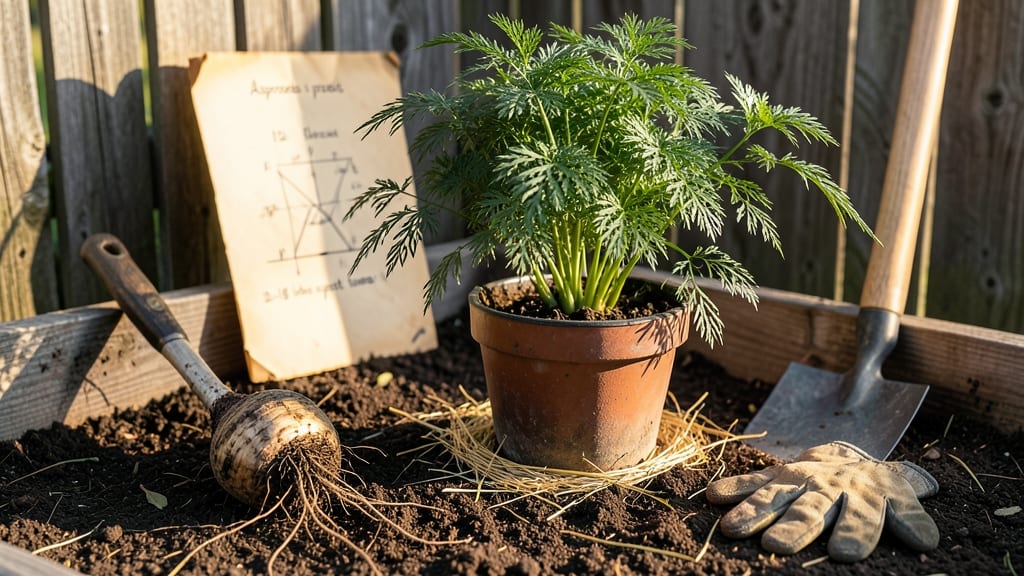
Planting asparagus in Arkansas isn't just about grabbing crowns and digging holes—it's about catching that perfect soil temperature window between 40°F and 50°F to ensure fast, healthy growth. If you miss it, you risk stunted plants or even total failure, especially with Arkansas' unpredictable spring weather swings.
The ideal time is early spring (February-March) or fall (September-October), but timing varies by your exact USDA zone within the state.
I've learned the hard way that Arkansas gardeners can't just follow generic planting guides—they need to account for local frost dates, clay-heavy soils, and those sudden heat spikes that can fry young asparagus crowns.
Whether you're in the cooler 7a zones of the Ozarks or the warmer 8b areas near Little Rock, understanding these triggers makes all the difference between a thriving asparagus patch and wasted effort.
What you'll discover here are the exact soil temperature thresholds that Arkansas growers swear by, plus practical tips for testing your own soil and preparing beds that drain properly—because nobody wants waterlogged asparagus roots.
We'll also cover the common mistakes that trip up even experienced gardeners in this region, like planting too shallow in our clay soils or ignoring the critical fall window.
Ready to grow asparagus that produces spears for decades? Let's get your timing right so you can enjoy that first harvest in April or May—just in time for spring's best homegrown treats. The secret starts with knowing exactly when to plant.
Optimal Arkansas asparagus planting dates based on soil temperature
Arkansas gardeners face unique challenges with asparagus planting due to its USDA Zones 7a-8b and humid subtropical climate. The key to success lies in understanding soil temperature triggers—planting too early risks frost damage, while waiting too long can stress young crowns in Arkansas’s late-spring heat.
Let’s break down the ideal planting windows for your region.
For most of Arkansas, the sweet spot for planting asparagus crowns is when soil temperatures reach 40°F-50°F. This typically falls in early spring (February-March) or fall (September-October).
Northern Arkansas (Zones 7a) should aim for late February to early March, while southern regions (Zones 8a-8b) can plant as early as mid-February or extend into early April.
Fall planting is less common but works well in Arkansas’s mild winters. Plant crowns 8-10 weeks before first frost (around September in most areas). This gives roots time to establish before dormancy. Never plant in late spring—Arkansas’s heat spikes in May-June can shock young plants.
🌱 Pro Tip: Use a soil thermometer to confirm temperatures. Arkansas’s clay-heavy soils retain heat longer, so check 2-3 inches deep where roots will grow.
| Region | USDA Zone | Best Planting Window | Soil Temp Threshold | Key Consideration |
|---|---|---|---|---|
| Northern Arkansas | 7a | Late Feb–Early Mar | 40°F–50°F | Higher frost risk; avoid April planting |
| Central Arkansas | 7b-8a | Mid-Feb–Early Apr | 45°F–55°F | Flexible window; monitor heat spikes |
| Southern Arkansas | 8a-8b | Late Jan–Early Apr | 50°F–60°F | Longer growing season; fall planting works |
If you’re planting asparagus seeds (less common but possible), wait until soil temperatures hit 60°F-70°F, typically late April to May. Seeds are slower to establish, so Arkansas’s humid summers can be challenging—opt for crowns for faster results.
Arkansas’s last frost dates vary by county. For example, Fayetteville (Zone 7b) averages March 15, while Little Rock (Zone 7b) is slightly later. Use these dates to guide your fall planting—aim to finish by October 15 to avoid winter stress.
🌡️ Critical Note: Arkansas’s expansive clay soils can delay warming. If your soil stays cold into March, consider raising beds or using black plastic mulch to warm the soil faster.
For container growing, Arkansas gardeners can plant crowns 2-3 weeks earlier since pots warm up faster. Just ensure containers are at least 12 inches deep and have drainage holes to prevent root rot in Arkansas’s humid climate.
Finally, avoid planting asparagus in low-lying areas where cold air pools. Arkansas’s valleys and riverbanks can experience late frosts even after surrounding areas have warmed. Choose slightly elevated spots for better success.
🌿 Key Takeaway: Arkansas’s soil temperature window is narrow—plant crowns in February-March or September, seeds in late April-May, and always verify soil temps with a thermometer. Timing this right ensures strong root development and bountiful harvests in years 2-3.
How to test soil temperature and prepare planting beds in Arkansas
Testing your soil temperature before planting asparagus in Arkansas is non-negotiable—those 40°F-50°F thresholds aren't just numbers, they're your germination guarantee. I use a simple soil thermometer (just $10 at garden centers) to check temps at 6-inch depth where roots will form.
In Arkansas' USDA zones 7a-8b, this usually means waiting until late February to early March for spring planting or mid-September for fall.
Don't rely on air temperature—Arkansas' clay-heavy soils warm up slower than sandy areas. I've seen 50°F soil when air temps hit 70°F! For fall planting, aim for 50°F-60°F soil—warmer than spring because roots need to establish before winter dormancy.
Pro tip: Take readings at 10 AM when soil has warmed from overnight chill.
Warning: Arkansas-Specific Soil Pitfalls
Planting asparagus in unamended Arkansas clay leads to waterlogged roots and rot. The state's expansive clay soils (common in the Delta region) need 30-40% compost by volume to improve drainage. I've seen gardeners lose entire beds because they skipped this step—don't be one of them!
🌱 Solution: Mix 1 part compost with 2 parts native soil and raise beds 6 inches if your site floods.
For bed preparation, Arkansas gardeners should focus on three key adjustments: depth, drainage, and nutrients. Plant crowns 6-8 inches deep—deeper than many guides suggest—to protect them from late frosts that hit northern Arkansas (like USDA zone 7a areas) into mid-April.
In southern Arkansas (zone 8b), you can plant slightly shallower but still aim for 5-6 inches.
Drainage is where most Arkansas gardeners fail. I recommend creating raised mounds (not raised beds) by piling soil 12 inches high in a 3-foot wide ridge. This prevents water pooling during Arkansas' humid summers when 10+ inches of rain can fall in June.
Add coarse sand (like 1 part horticultural sand per 3 parts soil) to break up clay compaction.
Finally, feed your asparagus with phosphorus-rich fertilizer (like 5-10-10) at planting time. Arkansas soils often lack phosphorus, which is critical for root development. I mix 1 cup of 5-10-10 per 10 square feet into the bottom 6 inches of the planting hole.
For organic gardeners, use bone meal at the same rate—it's perfect for asparagus.
After planting, mulch with 3 inches of straw to retain moisture and regulate soil temperature. This is especially important in Arkansas' hot summers when soil can spike to 90°F+—stressful for young asparagus crowns.
Water deeply once a week for the first month to encourage root establishment, then taper to every 10-14 days during dormancy.