
Plants
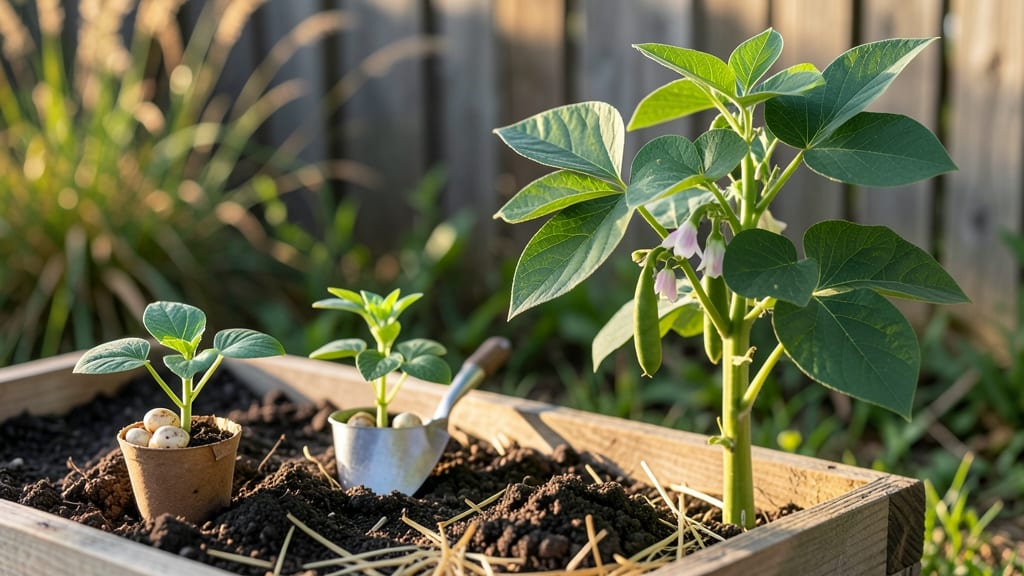
Planting beans in North Carolina at the wrong time can mean the difference between a bountiful harvest and wasted effort. With the right timing, you can enjoy fresh 🌱 beans from June through November—but get it wrong, and frost or heat will ruin your crop before it even starts.
Most gardeners in NC’s 6b-8a zones focus on spring planting between March and June, but fall plantings in August-September can extend your harvest into October. The key? Waiting until soil temperatures hit at least 60°F and planting after the last frost date—usually mid-March, though this varies by region.
In this guide, I’ll break down the best planting windows for your specific NC area—whether you’re in the Coastal Plain, Piedmont, or Mountains—plus soil prep tips and variety choices to ensure your beans thrive. No more guessing, just confident planting that leads to a garden full of homegrown goodness.
Ready to turn your bean dreams into reality? Let’s dive into the exact dates, soil secrets, and care tricks that will have your plants flourishing from seed to harvest.
North Carolina bean planting dates by region: frost-free deadlines
North Carolina’s diverse climate zones—from the Coastal Plain to the Mountains—create wildly different planting windows for beans. The key? Soil temperature (aim for 60°F+) and frost-free dates, which vary by 10-14 days across the state. Let’s break it down by region so you can plant with confidence.
For Coastal NC (USDA Zone 8a), the last frost typically hits by March 1-15, giving you an early start. In the Piedmont (Zone 7b), wait until March 15-April 1, while Mountain regions (Zone 6b) often see frost until April 15.
These dates align with NC State Extension guidelines for optimal germination.
Here’s the critical rule: Plant bush beans 2-3 weeks after your region’s last frost date. Pole beans, which take longer to mature, need an extra 1-2 weeks of warm soil.
For example, if your last frost is April 1, sow bush beans around April 15 and pole beans by April 25.
Fall planting is trickier but possible in Coastal and Piedmont zones. Aim for August 15-September 1 to harvest before the first frost (usually November 15). Mountain growers should plant by August 1 for a shorter season. Always use cold-tolerant varieties like wax beans or black-eyed peas for fall.
Microclimates matter! Coastal areas near Outer Banks can plant 2 weeks earlier than inland Raleigh, while Asheville’s higher elevation delays planting by 3 weeks. Check your local frost maps (like NC State’s) for precise county data.
Pro tip: Use a soil thermometer to confirm 60°F+ before planting. Cold soil slows germination, and beans won’t thrive below 55°F. If temps dip, opt for row covers to warm the soil faster.
| Region | Last Frost Date | Best Planting Window | Fall Planting Window | Soil Temp Threshold |
|---|---|---|---|---|
| Coastal (Zone 8a) | March 1-15 | March 15-April 15 | August 15-Sept 15 | 60°F+ |
| Piedmont (Zone 7b) | March 15-April 1 | April 1-April 30 | August 1-Sept 1 | 60°F+ |
| Mountains (Zone 6b) | April 15-May 1 | May 1-June 1 | July 15-Aug 1 | 60°F+ |
For successful fall harvests, prioritize early-maturing varieties like ‘Contender’ (50 days) or ‘Blue Lake’ (55 days). These beat frost before beans bolt (flower prematurely). In drought-prone areas (like the Sandhills), mulch heavily to retain moisture—beans need 1-1.5 inches of water weekly.
Remember: Succession planting every 2 weeks ensures a continuous harvest. If you plant all your seeds at once, you’ll get overwhelmed with pods maturing simultaneously. Stagger your plantings for 3-4 weeks of harvests.
🌱
Soil temperature & moon phase secrets for perfect bean germination
Beans thrive when soil temperatures hit 60°F or warmer, but not all varieties play by the same rules. Wax beans and green beans tolerate cooler soils, while black-eyed peas and lima beans demand heat.
Use a soil thermometer to check depths of 2-3 inches—this is where roots will first explore. If your thermometer reads below 55°F, delay planting or opt for cold-hardy varieties like Contender or Blue Lake.
Timing isn’t just about degrees—it’s also about the moon. Root crops (like beans) benefit from planting during the waxing moon (the week after a new moon), when gravity pulls moisture toward the earth.
Check a lunar planting calendar for your region, as NC’s Coastal Plain and Mountain regions may have slight phase differences due to latitude. For example, Raleigh’s waxing moon peaks align with early April plantings, while Asheville’s ideal window shifts to late April.
- 🌡️ Wait for 60°F+ soil—use a thermometer to avoid cold-soil shock.
- 🌙 Plant during waxing moon (root crops thrive with lunar gravity).
- 🌱 Sow seeds 1 inch deep—deeper = slower sprouts; shallower = uneven growth.
- 💧 Keep soil moist but not soggy—beans need 1-2 cups water per plant every 2-3 days.
- ☀️ Use row covers if nights dip below 50°F—extends season by 2-3 weeks.
For fall plantings, aim for August-September in NC’s USDA Zones 7b-8a. Start with heat-tolerant varieties like Crimson Glory or Purple Hull, which handle late-season heat better than delicate green beans.
Test soil temps again—70°F+ is ideal for fall germination. If your area experiences early frosts (like the Mountains), use black plastic mulch to warm soil by 5-10°F and protect young plants.
Pro tip: Stagger plantings every 2 weeks for a continuous harvest. For example, in Raleigh (Zone 7b), sow a batch in mid-April, then again in early May and late May.
This ensures you’re never without fresh beans from June through August. Just remember—pole beans need trellises by 3 weeks old, so plan support structures in advance.
If your soil stays stubbornly cold (common in NC’s Piedmont), try warm-starting seeds indoors 2-3 weeks before your target date. Use biodegradable pots and transplant seedlings when they’re 2-3 inches tall.
This trick adds 10-14 days to your growing season, giving you an edge in cooler microclimates like Hendersonville or Boone.
Finally, avoid planting beans where tomatoes or other legumes grew last year—this prevents soil-borne diseases like root rot. Rotate crops annually and add compost to improve drainage. With these soil and moon secrets, your beans will sprout in 5-7 days and reward you with a bountiful harvest.