
Plants
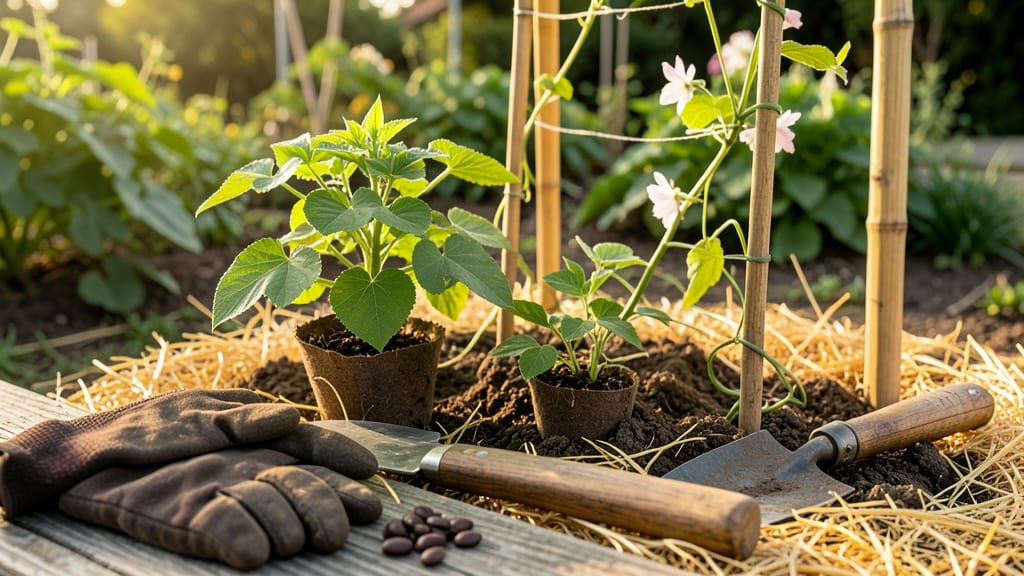
Planting beans in Seattle isn’t just about dropping seeds in the dirt—it’s about catching that sweet 3-week window between frost and summer heat to guarantee a harvest that’ll make your neighbors jealous.
With USDA Zone 8a weather that can swing from chilly mornings to scorching afternoons, timing is everything for pole beans, bush beans, and those prized heirloom varieties.
Most gardeners here make one of two mistakes: planting too early and losing seedlings to late frost, or waiting too long and watching their beans bolt before they mature. The key?
Start seeds indoors 4-6 weeks before your last frost date (mid-April) or sow directly when soil hits 60°F—usually late May for spring plantings. But here’s the twist: Seattle’s microclimates mean your neighbor’s perfect harvest schedule might not work for you.
If you’re aiming for a fall harvest, late July to early August is your second chance—just be ready to protect young plants with row covers if a 50°F night sneaks up. And don’t overlook succession planting: stagger seeds every 2-3 weeks to keep pods coming all summer long.
Whether you’re growing Kentucky Wonder or Contender beans, nailing the timing means fewer empty vines and more homegrown meals.
Ready to turn your garden into a bean bonanza? I’ll walk you through the exact weeks to plant, soil prep secrets, and how to beat Seattle’s quirks—so you’re harvesting fresh pods instead of wondering “what if?”
Seattle’s bean planting calendar: weeks before last frost for peak harvests
Seattle’s USDA Zone 8a climate means your bean planting window is short but sweet—just 165 frost-free days to work with. To maximize yields, aim for soil temperatures above 55°F and 3-4 weeks after the last frost date, typically around mid-April.
But timing varies for pole beans (longer season) vs. bush beans (faster harvest).
For spring harvests, start seeds indoors 4-6 weeks before your last frost (early March) or direct-sow after May 15 when nighttime temps stay above 50°F. Fall plantings should begin by July 15 to avoid first frost in mid-October.
Urban areas like Ballard may have 2-3°F warmer microclimates than Snoqualmie, so adjust accordingly.
🌱 Did You Know?
Here’s your Seattle bean planting timeline broken down by variety and season:
For direct sowing, wait until soil temps hit 60°F (use a soil thermometer—beans won’t germinate below 55°F). In containers, plant 2 weeks earlier since pots warm faster. If your garden faces north, extend rows east-west to capture more sunlight.
Pro tip: Test your soil’s pH (6.0–6.8 ideal) and amend with compost before planting. Seattle’s acidic soils (pH 5.5–6.0) can stunt bean growth. Mix in 1 inch of lime if needed, but avoid overdoing it—beans hate alkaline soil.
Urban gardeners in high-rise buildings (e.g., Pioneer Square) can use reflective surfaces or grow lights to supplement 6+ hours of sunlight. For ground gardens, choose south-facing beds with 6-8 hours of sun—beans bolt (flower prematurely) if stressed by heat or drought.
Remember: Succession planting every 2 weeks after your initial sowing gives you 3 harvests per season. For example, plant bush beans on May 1, May 15, and June 1 for staggered maturity. This works especially well for short-season varieties like 'Contender' (50-day harvest).
Finally, mark your calendar for July 15—this is your last chance to plant for a fall harvest before first frost. Use black plastic mulch to warm soil 5-10°F faster and extend the season by 2-3 weeks. Just remove it before harvest to avoid bitter-tasting pods.
With these precise timing tips, you’ll avoid frost damage
How to extend your bean season in Seattle: succession planting & frost protection
Seattle’s short growing season doesn’t mean you’re limited to one bean harvest per year. With succession planting and smart frost protection, you can stretch your harvest from early summer to late fall.
The key is understanding your microclimate—urban areas like Capitol Hill stay warmer than rural spots near Lake Washington.
Start with quick-maturing varieties like ‘Contender’ (50 days) or ‘Blue Lake’ (55 days) for your first planting. These give you a head start before summer heat arrives. For a fall harvest, opt for ‘Kentucky Wonder’ (60 days) or ‘Provider’ (58 days), which tolerate cooler temps better.
Here’s how to maximize your harvest windows using numbered highlights for clarity:
For urban gardeners, container growing is a game-changer. Use 5-gallon pots with fast-draining mix and plant bush beans like ‘Blue Lake’—they mature faster in confined spaces. Place pots on south-facing patios or near sunny walls to maximize warmth.
Pro tip: Harvest every 2–3 days to encourage more pods. Beans are self-pollinating, so frequent picking signals the plant to produce more. Save seeds from your best pods for next year’s heirloom stash—just let a few pods mature fully on the vine before drying.
With these strategies, you’ll enjoy fresh beans from July through October, beating Seattle’s frost by a month or more. Happy planting! 🌱