
Plants
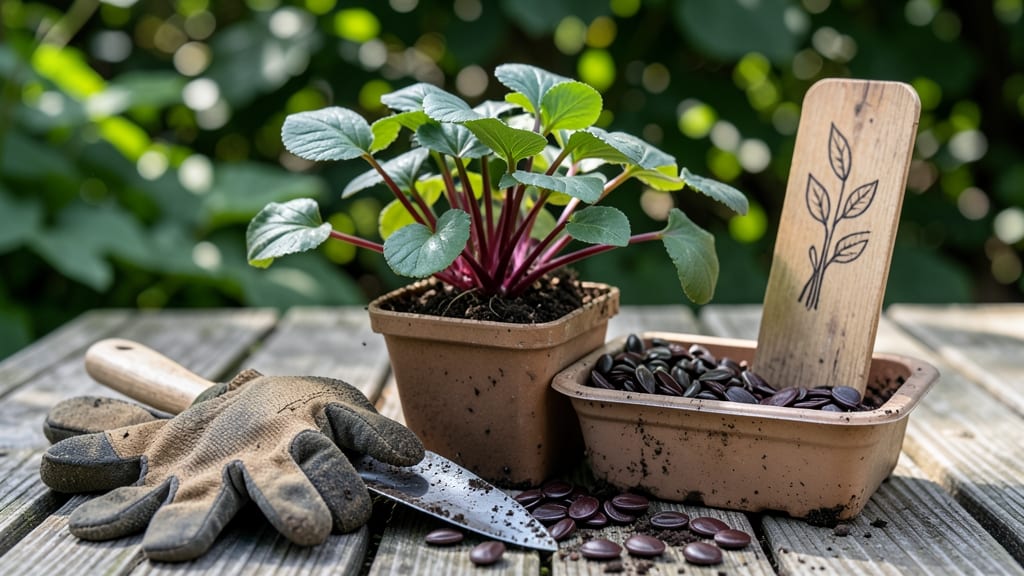
Planting beets at the wrong time in Zone 5 can turn your sweet harvest into bitter disappointment—here’s the exact window to get them right. 🍠 These cool-weather lovers need the ground to be just right, and timing matters more than you might think.
In Zone 5, where frosts linger into April and creep back by October, beets thrive when soil temperatures hover between 40°F and 75°F. That means two prime planting windows: early spring (March–April) or late summer (July–August).
Get it wrong, and you’ll either wait forever for germination or watch your plants bolt before they mature.
But here’s the good news: with the right approach, you can enjoy fast, tender beets all season. I’ll break down the best dates for your climate, how to prep your soil, and even tricks for succession planting so your harvest never stops.
Ready to grow beets that are sweet, plentiful, and ready in 50 days or less? Let’s dive into the perfect planting schedule for Zone 5.

Best planting times for beets in Zone 5: spring vs fall timing
Beets are one of my favorite cool-season crops because they handle Zone 5’s unpredictable weather like a champ. But timing is everything—plant too early, and you’ll deal with slow germination or frost damage; too late, and they’ll bolt before producing sweet roots.
The secret lies in soil temperature, not just calendar dates.
In Zone 5, where last frosts hit around mid-April and first frosts return by mid-October, beets need soil between 40°F and 75°F to thrive. That means two ideal windows: early spring (March–April) and late summer (July–August).
Let’s break down the exact dates and what to watch for in each season.
For spring planting, I start seeds indoors or use row covers to protect young seedlings from late frosts. The key is to plant when soil temps hit 40°F—use a soil thermometer if you’re unsure.
In my garden, that’s usually around March 15, but it varies yearly. If you plant too early, seeds may rot; too late, and you’ll miss the 60-day harvest window before summer heat sets in.
Fall planting is trickier because Zone 5’s first frost arrives by mid-October. I aim for July 15–August 15 to give beets time to mature before cold snaps. The soil should stay above 60°F for germination, but cooler temps after that actually sweeten the roots.
Just avoid planting after August 20, or you’ll risk bolting before harvest.
One of my favorite tricks is succession planting: sow seeds every 2–3 weeks from March through August. This ensures a steady supply of beets without overcrowding. For example, I’ll plant a batch in late March, another in mid-April, and keep going until early August.
Each batch gets harvested at a different time, stretching my harvest from June through November.
Don’t forget to test your soil before planting—beets prefer pH 6.0–7.0. Amend with compost if your soil is heavy clay (common in Zone 5). I also add a light layer of mulch to retain moisture and suppress weeds.
With the right timing and prep, you’ll enjoy sweet, tender beets all season long.
Pro tip: If you’re unsure about frost dates, check your local USDA Plant Hardiness Zone map. Zone 5a (colder) may need to adjust dates by 1–2 weeks later than Zone 5b. And always keep an eye on your weather forecast—a late frost can ruin a great planting plan!
Ready to plant? Grab your seeds, mark your calendar, and get ready for a bountiful beet harvest—just in time for those cozy fall soups! 🍠
Best planting times for beets in Zone 5: spring vs fall timing
In Zone 5, where last frosts can linger until mid-April and first frosts arrive by mid-October, timing your beet planting is everything. These cool-season crops need soil temperatures between 40°F and 75°F to germinate and grow properly.
Plant too early, and cold soil will delay sprouting; too late, and your beets may bolt before reaching maturity.
Your two best windows are early spring (March–April) and late summer (July–August). Spring plantings give you harvests by June–July, while fall plantings yield roots in October–November. The key is to start seeds when the soil is workable but not yet overheating.
🌱 Beet Planting Timeline for Zone 5
| Season | Planting Window | Soil Temp | Harvest Window |
|---|---|---|---|
| Spring | March 15–April 15 | 40–60°F | June–July |
| Fall | July 15–August 15 | 60–75°F | October–November |
💡 Pro Tip: Use a soil thermometer to confirm temps before planting.
For spring planting, aim to sow seeds 4–6 weeks before your last frost date. In Zone 5, that’s typically mid-March to mid-April. If you’re eager to start earlier, use row covers or a cold frame to protect seedlings from late frosts.
I’ve had great success with this method—it extends the season without risking frost damage.
Your fall planting should begin 8–10 weeks before your first frost (around mid-July to mid-August in Zone 5). This gives beets enough time to mature before temperatures drop. Avoid planting too close to fall, or your roots may develop a woody texture or turn bitter.
One trick I swear by? Direct sowing instead of starting indoors. Beets hate transplanting, and seedlings often struggle to recover. Simply scatter seeds ½ inch deep in loose, well-draining soil, and thin seedlings to 3–4 inches apart once they’re 2 inches tall. This ensures strong, healthy roots from the start.
Finally, watch for bolting—when beets flower prematurely due to heat or stress. If your spring plants start sending up stalks by May, harvest them immediately or provide afternoon shade to keep roots tender. Fall plantings are less risky, but mulching with straw can help regulate soil temps.