
Plants
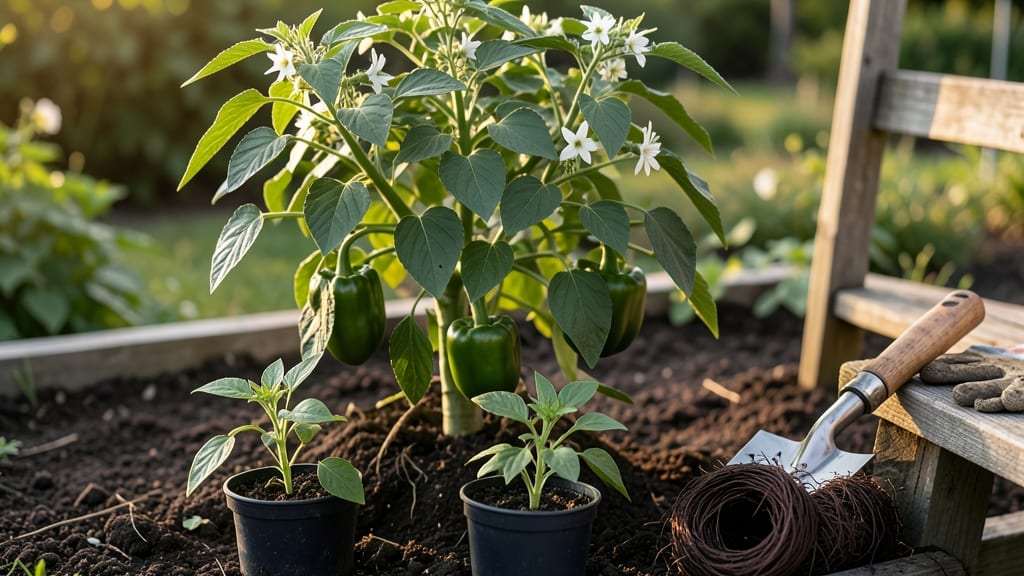
Timing your 🌶️ Bell Pepper planting in Alabama can mean the difference between a thriving garden and a sad, frost-nipped failure. With USDA Zones 7b-8b offering a 210-240 frost-free days, you’ve got a prime window—but get it wrong, and your peppers will struggle or never even take root.
Most Alabama gardeners swear by planting after the last frost (typically mid-April to early June), but there’s a trick to maximizing your harvest: a second planting in late July lets you enjoy peppers through fall.
The key? Waiting until soil temperatures hit at least 60°F—any cooler, and your seeds will sit there, refusing to germinate.
I’ve learned the hard way that rushing these heat-loving plants leads to stunted growth, while planting too late cuts your harvest short.
Whether you’re starting seeds indoors or sowing directly, this guide gives you the exact dates and pro tips to align with Alabama’s climate—so you’re not left with empty vines by October.
Let’s break down the perfect planting schedule, from transplanting to late-season tricks, so you can enjoy fresh 🌶️ Bell Peppers from July straight through to November.
Optimal bell pepper planting dates in Alabama by USDA Zone 7b-8a
Alabama’s bell peppers thrive in the state’s warm climate, but getting the planting timing right is crucial for a successful harvest. The last frost dates vary between northern (Zone 7b) and southern (Zone 8a) Alabama, creating a 2-3 week difference in your planting window.
For example, Birmingham typically sees its last frost around March 15, while Mobile’s frost-free date is closer to February 28.
Most Alabama gardeners aim for two planting windows: a spring harvest (planting in April-May) and a fall harvest (planting in July-August). The key is waiting until soil temperatures reach at least 60°F—cold soil stunts growth and delays fruiting.
Use a soil thermometer to check; if it’s below 60°F, hold off until conditions improve.
Direct sowing bell peppers is common in Alabama, but transplants give you a head start. Start seeds indoors 8-10 weeks before your last frost date (around January 15 for northern Alabama, February 1 for southern regions).
Harden off seedlings for 7-10 days before transplanting outdoors after all frost risk has passed.
For a fall harvest, aim to plant bell peppers 8-10 weeks before your first expected frost (typically late July to early August in Alabama). This gives peppers enough time to mature before cooler temperatures slow growth.
In southern Alabama, you can sometimes push this to early September, but monitor weather forecasts closely.
Alabama’s summer heat can be intense, so consider shade cloth during peak afternoons (12 PM - 4 PM) if temperatures exceed 95°F. Varieties like ‘Carolina Wonder’ or ‘Aristotle’ are heat-tolerant and perform well in Alabama’s climate. Avoid planting heat-sensitive varieties like ‘Jalapeño’ in southern exposure without extra care.
Always space bell peppers 18-24 inches apart in rows 24-36 inches apart to allow airflow and prevent disease pressure. Overcrowding is a common mistake in Alabama gardens, leading to poor yields.
Use black plastic mulch to retain soil moisture and warmth, which is especially helpful in Zone 7b where mornings can still be chilly in May.
Test your soil’s pH before planting—bell peppers prefer 6.0-6.8. Alabama’s native soil is often slightly acidic, so amend with lime if needed. Add compost or aged manure to improve fertility, as peppers are heavy feeders and need consistent nutrients for fruiting.
Mark your calendar for Alabama’s average frost dates: the last frost typically occurs March 15 (north) to February 28 (south), while the first frost arrives around November 15 (north) to December 15 (south). Plan your planting schedule accordingly to maximize your growing season.
If you’re unsure about your local frost dates, check the Alabama Agricultural Statistics Service or use a frost calendar app like Old Farmer’s Almanac. These tools provide hyper-localized data to help you time your plantings perfectly for zero-frost survival.
Optimal bell pepper planting dates in Alabama by USDA Zone 7b-8a
Alabama’s USDA Zones 7b-8a create a unique challenge for bell pepper growers—you’ve got a long growing season, but the key is nailing the timing to avoid frost damage or missed harvests.
In North Alabama (Zone 7b), like Birmingham, your last frost typically hits around April 15, while South Alabama (Zone 8a), including Mobile, sees frost-free conditions by March 15. This means your planting window shifts dramatically depending on where you live.
For spring planting, aim to start seeds indoors 8-10 weeks before your last frost date. In North Alabama, that’s around February 15, while Southern gardeners can start as early as January 15.
Transplant seedlings outdoors after April 15 (North) or March 15 (South), but only when soil temperatures consistently stay above 60°F. Use a soil thermometer—this is non-negotiable for germination success.
Don’t overlook fall planting, which is your secret weapon for extending harvests. In Alabama, a second planting in late July to early August gives you peppers ready to pick from September through November.
This works because Alabama’s first frost typically arrives in mid-November, leaving plenty of time for a second crop. For fall, use fast-maturing varieties like ‘Early California Wonder’ (60 days) or ‘Jupiter’ (65 days) to ensure harvests before cold sets in.
Pro tip: If you’re in Zone 7b and want to push the envelope, try black plastic mulch to warm soil faster—this can shave off 1-2 weeks of waiting time. Pair it with a row cover for early transplants to shield against unexpected late frosts.
I’ve seen gardeners in Huntsville add mulch in early April and still get peppers by June!
One common mistake? Assuming “after last frost” means you’re in the clear. Soil temperature is the real decider—bell peppers won’t germinate below 60°F, even if air temps are warm.
Test your soil with a thermometer at 2 inches deep for accurate readings. If it’s cooler, wait or use heat mats for seedlings.
Timing isn’t just about dates—it’s about aligning with Alabama’s heat patterns. Plant too early, and your peppers will bolt in summer’s 90°F+ heat. Plant too late, and you’ll miss the sweet spot before frost.
The golden window is mid-April to early June for spring and late July for fall—stick to this, and you’ll enjoy peppers from July to November. 🌶️