
Plants
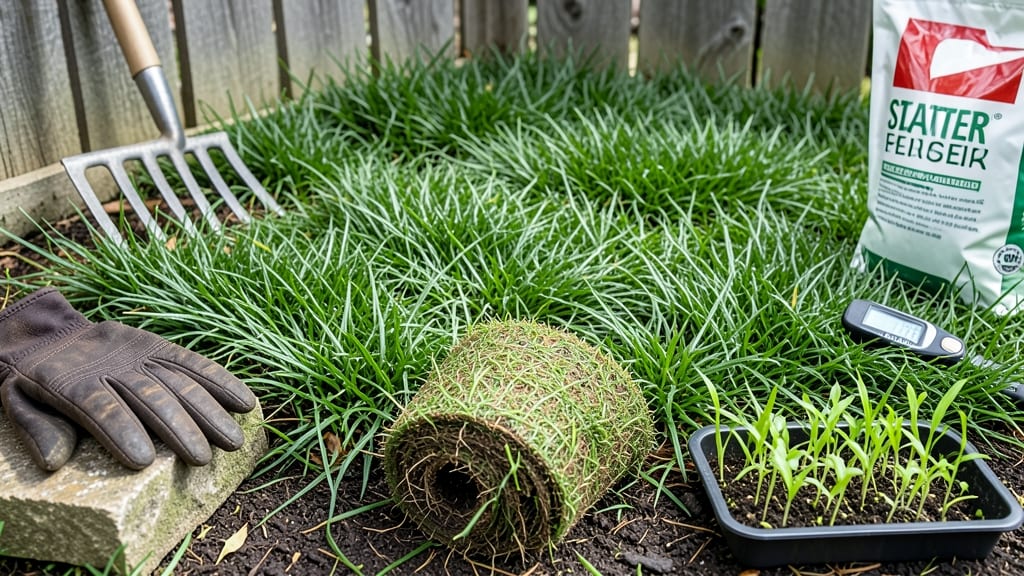
Planting Bermuda grass in Mississippi’s Heat Zone 8B isn’t just about timing—it’s about outsmarting the climate to get a lawn that thrives under the sun. Too early, and frost can kill your progress; too late, and summer’s heat will slow germination.
The key window is late spring when soil temperatures hit 65°F, but knowing exactly when to act makes all the difference.
Mississippi’s warm summers and occasional winter chill demand precision. Bermuda grass 🌱 loves heat but needs a strong start, so waiting until after the last frost (around mid-March) gives seeds the best chance to take root.
Whether you’re in North Mississippi or the South, the April-June window is your golden opportunity for fast, lush growth.
But here’s the catch: soil prep and watering schedules change everything. Clay-heavy Mississippi soil needs aeration, and deep watering (1-1.5 inches per week) keeps roots strong during those first critical weeks. I’ll show you exactly how to prep your yard and avoid common mistakes that derail even the best-laid plans.
Ready to grow a Bermuda grass lawn that stands up to Mississippi’s extremes? Let’s dive into the step-by-step timing, soil tricks, and maintenance hacks that’ll have your grass greener and stronger by summer.
Ideal planting windows for Bermuda grass in Mississippi’s heat zone 8B
Mississippi’s Heat Zone 8B creates a unique challenge for growing Bermuda grass—this warm-season grass thrives in heat but needs precise timing to avoid winter dormancy or slow establishment. The two best windows are late spring and early fall, each with specific temperature thresholds and soil conditions.
For spring planting, aim for April to early June when soil temperatures consistently reach 65°F (18°C). This aligns with Mississippi’s last frost date (typically March 15) and gives seedlings enough warmth to germinate quickly before summer’s peak heat arrives.
Fall planting offers a second chance, with September to early October being ideal. During this window, daytime highs stay above 70°F (21°C) while nights cool slightly, reducing stress on new growth before winter dormancy sets in.
Here’s how these windows compare for Mississippi gardeners, including soil prep, temperature risks, and establishment timelines:
| Factor | Spring Window (April-June) | Fall Window (Sept-Oct) |
|---|---|---|
| Soil Temperature | 65°F+ (18°C+) | 60°F+ (15°C+) |
| Germination Time | 7-14 days | 10-14 days |
| Key Risk | Late frost damage | Early frost dormancy |
| Soil Prep | Test pH (6.0-7.0), loosen clay | Add compost, adjust pH |
| Establishment Time | 4-6 weeks | 5-7 weeks |
Mississippi’s northern regions (like Tupelo) may need to delay spring planting until mid-April due to cooler soils, while southern areas (like Biloxi) can start as early as late March if temperatures cooperate. Always check your local USDA Heat Zone for precise adjustments.
For sod installation, the timing shifts slightly—plant Bermuda grass sod when soil temps hit 70°F (21°C) or higher, typically May to early June.
Sod establishes 3x faster than seeds because the roots are already active, but it requires consistent moisture for the first 2-3 weeks to prevent drying out.
Avoid planting in July or August unless you’re overseeding—summer’s intense heat can stress seedlings, leading to brown patches or slow recovery. If you must plant during peak summer, use shade cloth and daily watering to protect new growth until temperatures drop.
Pro tip: Use a soil thermometer to verify temperatures before planting. Bury it 4 inches deep for accurate readings—this is where Bermuda grass roots will establish first. Aim for consistent warmth above 65°F (18°C) for 7+ days before seeding.
Mississippi’s variable rainfall also plays a role—spring planting often benefits from natural rains, while fall planting may require supplemental irrigation to keep soils moist during dry spells.
Always monitor your lawn’s moisture levels with a simple screwdriver test: push it into the soil—if it comes out dry, water deeply.
Remember, Bermuda grass is a warm-season grass, meaning it goes dormant in winter. Planting too early in spring risks winter kill if cold snaps occur, while fall planting too late may leave it vulnerable to early frosts.
Balance is key—stick to these windows for the healthiest, fastest-growing lawn in Mississippi’s climate.
Ideal planting windows for Bermuda grass in Mississippi’s heat zone 8B
Mississippi’s Heat Zone 8B creates a narrow but critical window for planting Bermuda grass 🌱—one that balances warmth and moisture. The primary planting window runs from mid-April to early June, when soil temperatures consistently stay above 65°F (18°C).
This aligns with Mississippi’s last frost date (around March 15), giving seeds time to germinate before summer’s intense heat.
For sod installation, the window extends slightly later—May to early July—since established sod handles heat better than seeds. However, planting after June 15 risks slower establishment due to Mississippi’s summer droughts.
Timing is everything: too early exposes young grass to frost, while too late delays your lush lawn’s arrival.
Here’s the comparison table breaking down Mississippi’s two planting approaches:
| Method | Best Window | Soil Temp | Risk Factors |
|---|---|---|---|
| Seeds | Mid-April to June 15 | 65°F+ | Frost, slow germination |
| Sod | May to July 1 | 70°F+ | Heat stress, drought |
Fall planting is not recommended for Bermuda grass in Mississippi, as it enters dormancy by November 15. Unlike cool-season grasses, Bermuda won’t survive winter—so focus on spring/summer for best results. Pro tip: Use a soil thermometer to confirm temperatures before planting; seeds need consistent warmth to sprout.
Mississippi’s North vs. South regions also play a role. Northern counties (like Tunica or Grenada) can plant 1-2 weeks earlier than southern areas (like Biloxi or Gulfport) due to cooler microclimates. Always check your local USDA Plant Hardiness Zone for precision timing.
Once you’ve locked in your planting window, the next step is soil prep. Mississippi’s clay-heavy soil needs aeration and organic matter to improve drainage—critical for Bermuda grass’s root development.
Without proper prep, even the best timing leads to poor germination. Stay tuned for my next section on soil testing and amendments tailored to your Mississippi yard.
Ready to transform your lawn? Mark your calendar for April 15-June 15—this is your best shot at a thick, heat-resistant Bermuda grass lawn that thrives in Heat Zone 8B. 🌿