
Plants
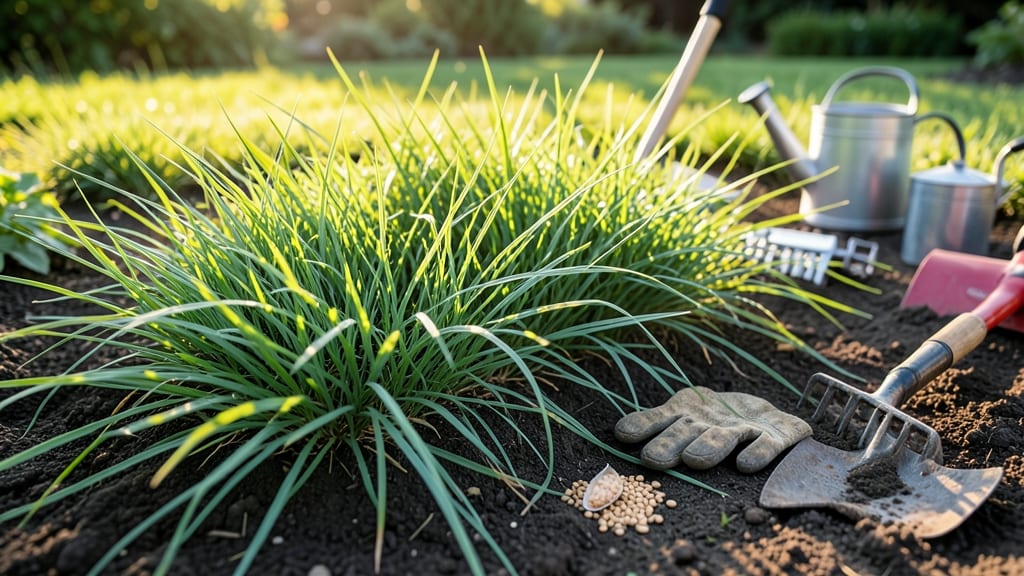
Planting Bermuda grass seeds in Texas at the wrong time can leave you staring at a patchy lawn instead of the lush green carpet you dreamed of.
The key to fast germination and a drought-resistant yard lies in understanding your region's unique climate—because what works in North Texas won't cut it in South Texas.
I've seen firsthand how a 2-week difference in planting can mean the difference between thriving turf and struggling seedlings. Whether you're in Zone 8a or 10b, timing your seeds for soil temperatures above 75°F and avoiding summer's brutal heat is non-negotiable for success.
In this guide, I'll break down the exact weeks to plant in 2024 for your specific Texas region, plus pro tips to beat drought and poor soil conditions. No more guessing—just science-backed timing for that fast, thick Bermuda lawn you're after.
Ready to transform your yard? Let's dive into the ideal planting windows and maintenance secrets that actually work in Texas heat.
Best weeks to plant Bermuda grass seeds in Texas by region (2024 guide)
Texas stretches across three distinct climate zones, each with its own ideal window for planting Bermuda grass seeds. In North Texas (Zone 8a), you'll want to start seeds 4-6 weeks before summer's peak heat—typically between mid-April and early May.
This gives seedlings time to establish roots before the 90°F+ temperatures arrive.
Central Texas (Zone 8b-9a) homeowners should aim for late April to early June, when soil temps consistently hit 75°F+. The key is beating the June monsoons that can wash away fresh seeds.
Meanwhile, South Texas (Zone 9b-10b) has a longer window—March through early June—thanks to its warmer winters and earlier springs.
I recommend using a soil thermometer to confirm temps before planting. Seeds won't germinate below 65°F, but 75°F+ is ideal for fast sprouting. Pro tip: Plant when your local forecast shows stable temps for 2+ weeks—this minimizes stress on young seedlings.
Here's the breakdown by region with exact weeks for 2024 planting:
For all regions, aim to plant 45-60 days before first frost—this gives your grass enough time to establish before cooler weather sets in. In North Texas, that means late August planting for a fall lawn, while South Texas can extend until mid-September.
One mistake I see often? Planting too early in March for North Texas. The soil stays too cool, seeds rot, and you waste money. Instead, wait for consistent 65°F+ days—usually mid-April or later. Patience here pays off with thicker germination and faster establishment.
Remember: Bermuda grass spreads aggressively once established, so proper timing now means less weeding and more shade-out of weeds later. Use a lawn calculator to determine how much seed you'll need based on your yard size—typically 1/4 to 1/2 lb per 100 sq ft for new lawns.
After planting, keep soil moist but not soggy—1 inch of water per week is ideal. Use a sprinkler with gentle mist to avoid displacing seeds. Within 10-14 days, you should see sprouts if conditions are right.
🌱
How soil temperature and rainfall affect Bermuda grass germination success
Bermuda grass seeds need consistent warmth to germinate—anything below 75°F soil temperature slows them down or kills them outright. In Texas, this means waiting until late spring when the ground finally heats up after winter's chill.
I’ve seen seeds planted too early in March sprout weakly, only to burn out when summer hits.
Your best bet is to test soil temps with a soil thermometer at 4-inch depth. Aim for 80-90°F—this is when germination speeds up to 7-10 days instead of dragging out for weeks. Pro tip: Check temps in the afternoon shade for accuracy.
Rainfall is just as critical—too little and seeds dry out; too much and they rot. Texas’ unpredictable downpours can drown seeds before they sprout. I recommend light daily watering (about ¼ inch) until germination, then 1 inch per week once sprouts appear.
Use a rain gauge to track moisture—don’t rely on guesswork!
Drought stress is the #1 killer of young Bermuda grass. If your area faces extended dry spells (like West Texas summers), consider a drip irrigation system to deliver water directly to roots. Mulching with straw also helps retain moisture without smothering seeds.
Even after germination, sudden heatwaves can shock tender seedlings. If temps spike above 95°F, provide light shade cloth (30-50% coverage) until they’re established. This simple step saved my last lawn from wilting in a 100°F+ June heatwave.
Monitor your lawn’s progress with these germination milestones: first sprouts in 7-14 days, full coverage in 6-8 weeks. Adjust watering as needed—overwatering is just as bad as underwatering for young grass.