
Plants
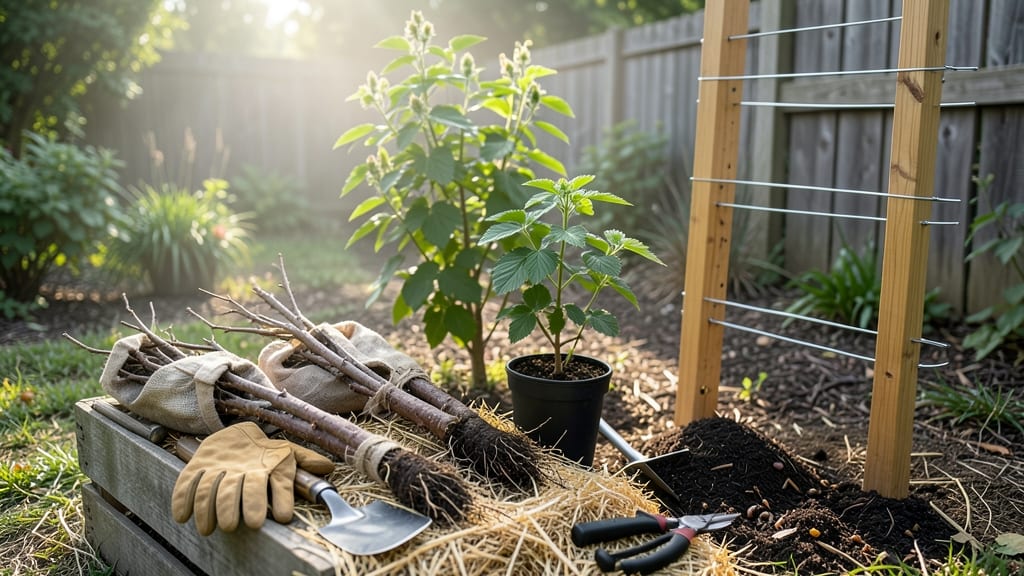
Timing your 🫐 blackberry planting in Colorado isn’t just about the calendar—it’s about matching your variety’s chill-hour needs to your microclimate. Plant too early, and a late frost could wipe out your new canes; too late, and your bushes won’t establish strong roots before winter.
With Colorado’s USDA Zones 5-7 and unpredictable spring weather, getting this right is the key to a thriving bramble.
Most gardeners in Colorado swear by early spring (March-April) or fall (September-October) planting, but the best time depends on your specific variety. Cold-hardy types like ‘Chester’ or ‘Triple Crown’ need 300-500 chill hours, while others demand 1,000+ hours to fruit reliably.
I’ll break down exactly when to plant based on your location—whether you’re in Denver’s urban heat islands or the cooler Western Slope.
Beyond the calendar, soil prep and spacing make all the difference. Colorado’s alkaline soils often need amendments, and proper spacing (4-6 feet apart) prevents disease.
I’ll share my proven method for bare-root vs. potted plants, plus how to protect young canes from late frosts—even if you’re planting in Zone 5 where winters can be brutal.
Ready to avoid the 3 biggest mistakes Colorado growers make? From skipping mulch in dry climates to ignoring frost dates, I’ll give you the exact steps to ensure your blackberries thrive year after year—so you can enjoy that first harvest in July or August without the guesswork.
Best planting times for Colorado blackberries by chill-hour zones
Colorado’s diverse climate—from the high-altitude Front Range to the arid Western Slope—means blackberry planting windows vary dramatically. Most Colorado regions fall under USDA Zones 5-7, but chill-hour requirements (300-1,000+ hours below 45°F) dictate your best planting window.
Spring planting (March-April) is ideal for bare-root canes, while fall planting (September-October) works for potted plants with sufficient time to establish roots before frost.
The last average frost date in Colorado ranges from mid-April in Denver to late May in mountain valleys. Planting too early risks frost damage to tender new growth, while waiting too long may delay the first year’s harvest.
For cold-hardy varieties like 'Triple Crown,' aim for soil temperatures above 45°F—a critical threshold for root establishment.
Fall planting offers advantages: cooler temperatures reduce transplant shock, and established roots enter dormancy stronger. However, avoid planting after mid-October in most of Colorado, as roots need 6-8 weeks to harden off before winter. In Zone 5 areas (e.g., northern Colorado), prioritize spring planting to avoid early frosts.
Soil preparation is non-negotiable. Blackberries thrive in well-draining, slightly acidic soil (pH 5.5-6.5). Amend heavy clay soils with compost or sand and ensure your site gets full sun (6+ hours daily). In Colorado’s dry climates, mulch heavily with wood chips or straw to retain moisture and regulate soil temperature.
Here’s your Colorado blackberry planting timeline by chill-hour zone and region:
For container growing in urban Colorado, extend your planting window by 2-3 weeks. Containers warm up faster in spring and can be moved to protected microclimates (e.g., south-facing patios) to avoid frost. Just ensure pots have drainage holes and use a lightweight potting mix to prevent root rot.
Pro tip: Plant thornless varieties like 'Cheyenne' if you’re growing near high-traffic areas. These adapt well to Colorado’s dry heat and produce earlier than traditional types, giving you a jump on the short growing season in higher elevations.
After planting, water deeply (2-3 gallons per plant) and apply a 2-inch mulch layer to lock in moisture. In Colorado’s windy conditions, stake young canes to prevent root exposure and breakage. Monitor for deer and rabbit damage, common in rural areas, by using physical barriers or repellents.
Remember: Patience is key. Blackberries may take 2-3 years to reach full production, but proper planting timing in Colorado ensures your bushes survive—and thrive— despite the challenges. 🌱
Top Colorado-adapted blackberry varieties and their planting schedules
Colorado’s diverse climate—from the Front Range’s urban heat islands to the Western Slope’s cooler high deserts—means not all blackberry varieties thrive equally. The key to success lies in matching your variety’s chill-hour requirements with your microclimate.
For example, ‘Triple Crown’ needs just 300-500 chill hours, while ‘Natchez’ demands 1,000+ hours to fruit reliably. Planting at the wrong time can leave you with sparse harvests or no berries at all.
I’ve grown these varieties in Denver (Zone 5) and Grand Junction (Zone 6), and the difference in timing is critical. Below, I’ve broken down the best planting windows, harvest timelines, and regional adjustments for Colorado’s top performers.
Whether you’re in the cool mountains or the hot valleys, these schedules will help you avoid common mistakes and maximize your yield.
| Variety | Chill Hours | Best Planting Time | Harvest Window | Colorado Notes |
|---|---|---|---|---|
| Triple Crown | 300-500 | Early spring (March-April) or fall (Sept-Oct) | Mid-July to early Sept | Thornless; ideal for urban gardens |
| Chester | 500-700 | Fall (Sept-Oct) preferred | Late July to Aug | Cold-hardy; thrives in Zone 5 |
| Natchez | 1,000+ | Early spring only (March) | Late Aug to Sept | Best for warmer Front Range |
| Black Diamond | 800-1,000 | Fall (Sept-Oct) or early spring | Mid-July to Aug | Disease-resistant; great for Western Slope |
For Front Range gardeners (Denver, Boulder, Fort Collins), fall planting in September-October gives canes time to establish roots before winter. In contrast, Western Slope growers (Grand Junction, Durango) should prioritize early spring (March-April) to avoid late frosts.
Pro tip: Use row covers if planting in Zone 5—they’ve saved my ‘Chester’ bushes from frost damage more times than I can count.
If you’re in high-altitude areas (10,000+ ft), opt for varieties like ‘Chester’ or ‘Triple Crown’—they handle Colorado’s cool nights and short growing seasons better than heat-loving types.
And remember: Bare-root plants are cheaper and establish faster than potted ones, but they need to be planted as soon as they arrive to avoid drying out. I always soak mine for 24 hours before planting to give them a hydration boost.
Timing your planting isn’t just about the calendar—it’s about reading your microclimate. For example, Denver’s urban heat islands can push planting deadlines back by 2-3 weeks compared to rural areas. Use local frost dates (check your CoCoRaHS station for precise data) and adjust accordingly.
With the right variety and timing, you’ll be harvesting juicy blackberries by July—not waiting until September when the birds have already eaten them all.