
Flowers
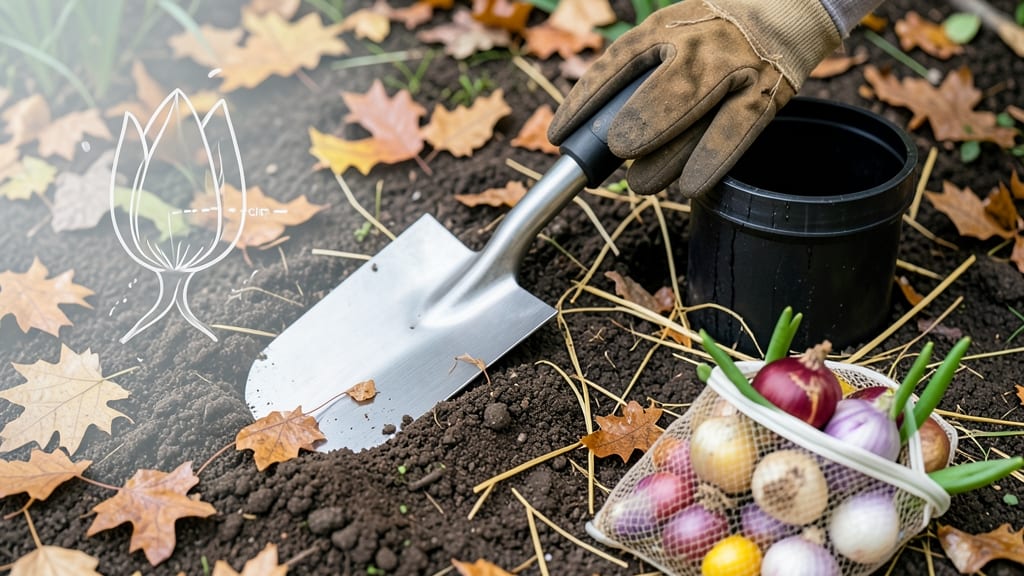
Planting flower bulbs 🌷 in autumn is your secret weapon for a show-stopping spring garden—but get the timing wrong, and you might as well toss those bulbs in the compost.
Most gardeners know autumn is the right season, but the 6-8 week window before frost can feel like a moving target. Too early, and bulbs rot; too late, and they won’t establish roots in time. The key? Understanding your local frost dates and the chill-hour needs of your specific varieties.
I’ve planted hundreds of bulbs over the years, and the difference between a weak, sparse display and a bold, reliable bloom often comes down to these two factors: soil temperature and timing.
Let me break down exactly when to plant for your climate zone and how to adjust for early or late autumns.
You’ll learn which bulbs need 12 weeks of chill (like tulips) versus those that thrive with just 6 weeks** (like crocuses), plus how to test your soil’s readiness. No more guessing—just confident planting for a garden that wows next spring.
Autumn planting timeline by flower bulb type and chill-hour requirements
Planting flower bulbs in autumn isn’t just about timing—it’s about giving them the right chill hours they need to bloom. Most bulbs require 6–12 weeks of cold before spring growth. For example, tulips and hyacinths thrive with 12–15 weeks of chill, while daffodils need just 8–10 weeks.
Planting too early or late disrupts this cycle, leading to weak or no blooms.
Your local first frost date is your anchor. Aim to plant bulbs 4–6 weeks before the ground freezes. In USDA Zone 6a, this typically means late September to mid-October.
But if you’re in a warmer zone (like Zone 9), you might plant as late as December—just ensure the soil stays cool but not frozen.
Here’s how to match bulbs to your timeline. The comparison table below breaks down chill-hour needs, ideal planting windows, and key varieties to grow. Use it to pick the right bulbs for your climate and schedule.
| Bulb Type | Chill-Hour Needs | Ideal Planting Window | Notes |
|---|---|---|---|
| Tulips | 12–15 weeks | Late Sept–Oct (Zones 3–7) | Plant 6 inches deep; needs full sun. |
| Daffodils | 8–10 weeks | Oct–Nov (Zones 3–10) | Deer-resistant; plant 8 inches deep. |
| Hyacinths | 12–14 weeks | Sept–early Oct (Zones 4–8) | Fragrant; plant 6 inches deep in clusters. |
| Crocuses | 6–8 weeks | Oct–Nov (Zones 3–9) | Early bloomers; plant 3 inches deep. |
| Alliums | 8–10 weeks | Oct–Nov (Zones 4–9) | Drought-tolerant; plant 8 inches deep. |
For tulips, the 6–8 week window before frost is critical. If you’re in Zone 5, aim for mid-September planting.
In Zone 8, wait until November to avoid premature sprouting. Daffodils, on the other hand, are more flexible—they can handle shorter chill periods and even bloom in Zone 10 if planted in December.
Pro tip: Use a soil thermometer to check if temps are below 60°F but above freezing. This is the sweet spot for root growth without sprouting. If your soil stays warm too long, bulbs may wake up early and rot.
Don’t forget late-season bloomers like fritillaria or grape hyacinths. These need longer chill times (up to 16 weeks) and should be planted earlier, in August or early September, especially in cooler climates.
Once you’ve picked your bulbs, prep the soil by mixing in compost and a bulb-specific fertilizer. This ensures roots have nutrients to store over winter. Well-draining soil is non-negotiable—bulbs rot in soggy conditions. Add a 2-inch layer of gravel at the bottom of holes if your soil drains poorly.
After planting, mulch heavily (4–6 inches) with straw or leaves to insulate bulbs from freeze-thaw cycles. This protects them from heaving (when soil expands and contracts, pushing bulbs up). In Zone 3, mulch earlier (by mid-October) to trap heat longer.
Finally, mark your planting spots with biodegradable flags. Come spring, you’ll know exactly where to expect vibrant blooms—and avoid accidentally digging up your hard work! 🌷
How to adjust planting dates based on your local climate zone
Your USDA hardiness zone is the first clue for timing autumn bulb planting. In zones 3–5, where winters are harsh, aim to plant 6–8 weeks before ground freeze—typically mid-September to early October.
For zones 6–8, extend the window to late October or even November, as milder winters delay frost.
In zone 9–10, where winters are mild, plant bulbs in December or early January to avoid heat stress. These regions lack true dormancy, so bulbs need cooler soil to trigger blooming. Always check your last frost date and count backward based on your bulb’s chill-hour needs.
For high-altitude gardens (e.g., mountains), plant 4–6 weeks earlier than your zone’s average. Cooler temperatures at elevation speed up chill accumulation, so bulbs may need less time in the ground before winter. Use a soil thermometer to confirm when temps drop to 60°F—the ideal range for root establishment.
🌱 Zone-Specific Planting Guide
- Zones 3–5: Plant September 15–October 15 (6–8 weeks before frost)
- Zones 6–8: Plant October 1–November 15 (adjust for early frost)
- Zones 9–10: Plant December–January (avoid summer heat)
- High Altitude: Plant 4–6 weeks earlier than zone average
If your autumn is unusually wet or dry, adjust planting dates. In dry climates, plant earlier to let roots establish before winter rains. In wet regions, delay slightly to avoid soggy soil, which can rot bulbs.
Always amend soil with compost or grit to improve drainage—critical for bulbs like tulips and hyacinths.
Pro tip: Use a planting calendar or local gardening app to track your zone’s frost dates and soil temps. For example, in zone 7, I plant daffodils by October 10 and crocuses by November 1 to ensure they bloom early. Late plantings may produce smaller flowers or delayed blooms.
For container gardening, plant bulbs in pots 2–4 weeks earlier than in-ground bulbs. Containers warm up faster and dry out quicker, so bulbs need extra time to root.
Use a well-draining potting mix with perlite to mimic ideal soil conditions. Move pots to a garage or shaded patio if frost threatens prematurely.