
Plants
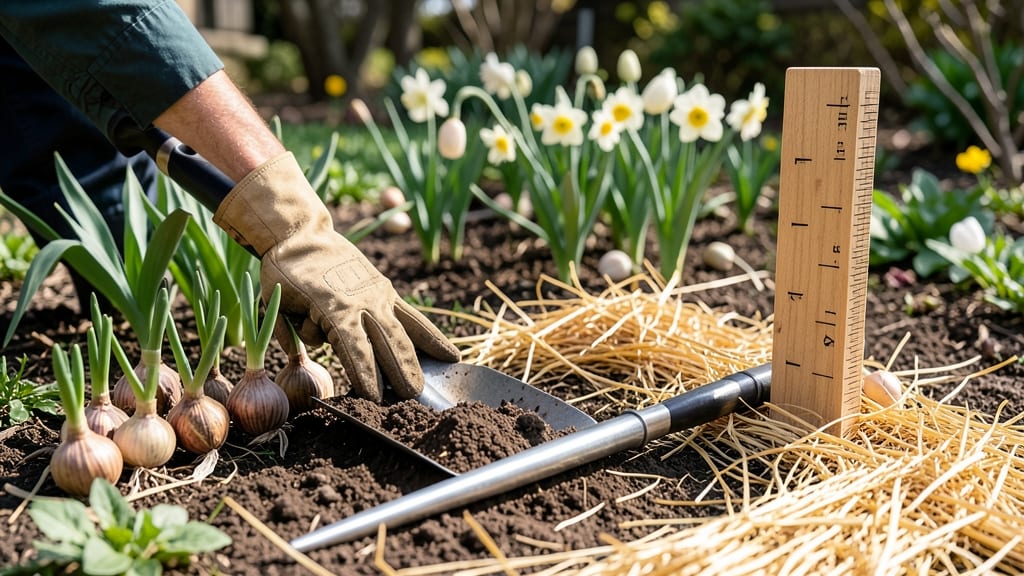
Planting bulbs in Arkansas at the wrong time means watching your 🌱 dreams wilt before they even bloom. The key isn't just knowing when—it's understanding how Arkansas' 7a-8b zones and unpredictable frosts change the rules.
Too early, and your bulbs rot in soggy soil; too late, and frost zaps their energy before spring. I'll show you the exact fall and spring windows that guarantee vibrant tulips, daffodils, and more—plus how to adjust for your corner of the state.
Most gardeners assume "fall planting" means October, but Arkansas' mid-November first frost demands precision. Some bulbs, like crocuses, need to go in by early October, while others can wait until December.
Spring planters often miss the February-March window when soil warms enough to prevent rot. I'll break down the science behind these deadlines so you never guess again.
What if your yard sits in the Ozarks' cooler microclimate versus the Delta's longer growing season? The Arkansas Extension Service recommends adjusting planting dates by 2-4 weeks based on elevation and soil drainage.
We'll cover those tweaks, plus how to prep your soil for Arkansas' humid climate—because even the best timing fails without the right conditions.
Ready to transform your garden into a springtime explosion of color? Let's dive into the exact planting schedule, bulb-by-bulb, so you can enjoy blooms that outshine your neighbors'—without the stress of last-minute mistakes.
Arkansas bulb planting calendar: exact months by type (zone 7b)
Arkansas gardeners know timing is everything—especially when planting spring-blooming bulbs like tulips and daffodils. The USDA Zone 7b average first frost hits around mid-November, giving you a narrow window to plant before winter sets in.
Miss it, and your bulbs may not survive. But don’t worry—this schedule keeps your garden thriving year after year.
For fall-planted bulbs, aim to get them in the ground 6-8 weeks before frost.
That means October is your prime month for most varieties, with November as a backup for hardier types. Spring planting is trickier but works for late bloomers like dahlias—just wait until after the last frost, usually mid-March.
Here’s your Arkansas bulb planting calendar, broken down by type and season to ensure zero-frost success. Use this as your go-to guide for tulips, daffodils, lilies, and more.
Arkansas Bulb Planting Schedule (Zone 7b)
| Bulb Type | Planting Season | Ideal Month | Soil Temp | Depth | Notes |
|---|---|---|---|---|---|
| Tulips | Fall | October | 50-60°F | 6-8" | Needs cold period |
| Daffodils | Fall | October-Nov | 50-60°F | 6-8" | Deer-resistant |
| Hyacinths | Fall | October | 50-60°F | 6" | Fragrant blooms |
| Crocuses | Fall | September-Oct | 50°F | 3-4" | Early spring blooms |
| Dahlias | Spring | March-April | 60°F+ | 4-6" | Needs warm soil |
| Lilies | Spring/Fall | March or Oct | 55-65°F | 6-8" | Humidity-loving |
*Adjust for Arkansas microclimates: Ozarks may frost earlier; Delta regions can plant slightly later.
Notice how soil temperature is critical? Most fall-planted bulbs need 50-60°F soil to root before winter. Use a soil thermometer to check—if temps drop below 40°F, your bulbs may rot. For spring-planted bulbs like dahlias, wait until soil warms to 60°F+ to avoid stunted growth.
Arkansas’ humid climate also affects planting. Well-draining soil is a must—amend heavy clay with compost or sand to prevent bulb rot. If your garden stays soggy after rain, consider raised beds for tulips and hyacinths, which are especially sensitive to waterlogged roots.
Pro tip: Label your bulbs as you plant! Arkansas’ unpredictable weather can make it hard to remember what’s where. Use biodegradable markers or a simple sketch of your garden layout. This saves headaches when spring arrives and you’re eager to see which tulips or daffodils will bloom first.
Don’t overlook mulching after planting. A 3-inch layer of mulch (straw or shredded leaves
How to adjust planting times for Arkansas’ unpredictable weather patterns
Arkansas’ weather throws curveballs—one year you’ll face a late November frost, the next a mild December that keeps soil workable. The Arkansas Extension Service recommends adjusting planting dates by 2-4 weeks based on your microclimate.
In the Ozark Mountains, cooler temps mean planting tulips and daffodils by mid-October to avoid rot. Meanwhile, in the Delta region, you might push back until early November without risk.
Soil temperature is your real deadline. Use a soil thermometer—bulbs need 60°F soil to root before winter. In northern Arkansas, this happens by October 15, while southern areas can wait until November 1.
If your yard sits in a low-lying spot, plant 2 weeks earlier to prevent waterlogging. Mulch with 3-4 inches of straw after planting to insulate bulbs from temperature swings.
What if you miss the fall window? Don’t panic—spring planting works for hardy bulbs like daylilies and cannas. Wait until after the last frost (mid-March) and plant by April 15 to give roots time to establish before summer heat.
For tender bulbs like dahlias, wait until soil warms to 65°F, usually mid-April in most of Arkansas.
🌱
⚠️ Arkansas Frost Risk Zones
Northern Arkansas (Ozarks): First frost often hits by October 31. Plant crocuses and snowdrops by September 15—they’re frost-tolerant.
Central Arkansas: Average first frost is November 15. Tulips and hyacinths need to be in by October 20.
Southern Arkansas (Delta): First frost can arrive as late as December 10. Dahlias and gladiolus can wait until November 1.
Pro tip: Check the Arkansas Climate Office’s frost charts (linked in resources) for your county’s 10-year averages. If you’re in a high-risk zone, consider container planting—move pots to a sheltered spot before frost.
For in-ground bulbs, add extra mulch in December to shield them from freeze-thaw cycles, which can heave bulbs out of the soil.
Even with perfect timing, Arkansas’ humid summers can stress bulbs. After planting, water deeply but reduce frequency in winter. Once shoots appear in spring, increase watering to 1 inch per week to support blooming. Avoid overhead watering—fungal diseases like botrytis thrive in damp foliage, common in Arkansas’ muggy air.
Remember: The 3-4-5 rule applies here—plant bulbs 3 times as deep as their diameter, 4 inches apart for small bulbs, and 5 inches apart for large ones. This spacing gives roots room to establish before Arkansas’ summer heat sets in.
With these adjustments, your bulbs will bloom earlier and more reliably than your neighbors’—no matter what Mother Nature throws your way.