
Plants
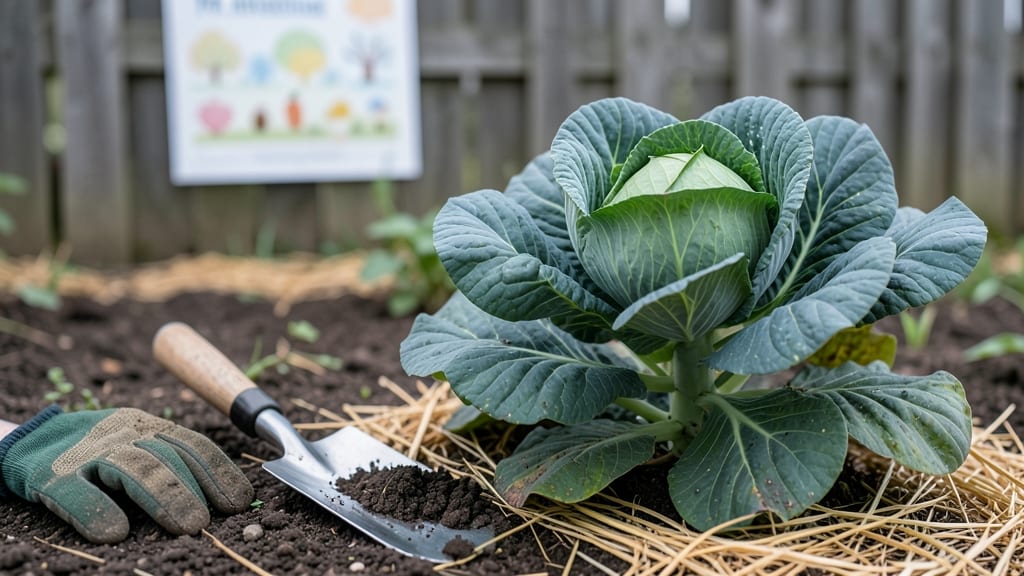
To plant cabbage in California without ending up with bitter, bolted heads, timing is everything—especially when coastal fog and inland heat play such different roles. Whether you're in USDA zones 8-11, your local microclimate dictates the perfect window, and getting it wrong means wasted effort.
The key isn’t just knowing when to start seeds, but understanding how late winter to early spring and late summer to early fall planting windows shift between regions.
I’ve grown 🥬 cabbage for years in California’s varied climates, and the difference between a thriving crop and a failed one often comes down to a few weeks’ timing.
Coastal areas like San Francisco can plant earlier, while inland valleys near Sacramento need to wait—both to avoid heat stress and ensure heads mature before frost. Let’s break down the exact months and strategies that work for your specific zone.
Spring planting in California typically kicks off in January or February, but the real magic happens when you transplant seedlings into the ground by March. That’s when soil warms enough to support steady growth without triggering bolting—the plant’s way of saying, “It’s too hot, I’m giving up!”
For fall harvests, aim to get seeds in the soil by August, giving them 60-90 days to mature before winter sets in.
Here’s the game-changer: soil prep and variety choice matter just as much as timing. Coastal gardeners can push the envelope with cooler-season varieties, while inland growers should opt for heat-tolerant types like ‘Golden Acre.’
I’ll show you how to adjust your approach based on where you live—so you can enjoy crisp, sweet heads from April through December, no matter your corner of California.
California cabbage planting calendar: coastal vs inland start dates by month
California's diverse climate—from coastal fog belts to scorching inland valleys—means one-size-fits-all planting advice won't work for cabbage. Coastal areas like San Francisco and Los Angeles enjoy milder winters, while inland regions like the Central Valley face higher heat risks that trigger bolting.
To avoid bitter, flower-stalk-laden heads, align your planting with local frost dates and 60-90 day maturity windows.
For coastal gardeners, the ideal window stretches from late January to early March for spring harvests, while inland gardeners should start in February to early April to escape summer heat.
Fall plantings work too—coastal areas can sow until late August to early September, while inland zones must finish by mid-August to mature before frost.
Here’s how to match your location to the perfect planting timeline:
| Month | Coastal (SF/LA) | Inland (Central Valley) | Notes |
|---|---|---|---|
| January | Start seeds indoors | Direct sow outdoors (frost-safe) | Coastal: Mild winters allow early starts |
| February | Transplant seedlings | Start seeds indoors | Inland: Avoid transplanting too early (frost risk) |
| March | Peak transplanting | Transplant seedlings | Both regions: Aim for harvest by June |
| April | Succession sowing | Last chance for spring | Inland: Use shade cloth if temps exceed 80°F |
| August | Start fall seeds | Finish by mid-August | Coastal: Extend with row covers; inland: Rush harvest |
| September | Transplant fall crops | N/A (too late) | Coastal only: Protect from coastal winds |
If you’re in USDA Zone 9 or 10 (common in Southern California), prioritize fall plantings—spring heat will bolt cabbage faster than a desert mirage. For Zone 8 (Central Valley), focus on early spring and late summer to avoid both frost and heat stress.
Pro tip: Use shade cloth (30-50%) for inland plantings in May-June to keep soil temps below 75°F. Coastal gardeners can skip this—fog naturally cools plants.
For succession planting, stagger sowings every 2-3 weeks in spring and fall to ensure a continuous harvest. This works especially well for short-season varieties like 'Early Jersey Wakefield' (50 days to maturity).
Remember, cabbage hates heat. If your region’s average daytime highs exceed 75°F during the growing season, your plants will bolt. Use this calendar as your guide, but always check your local frost dates—they’re your cabbage’s best friend.
🌱
California cabbage planting calendar: coastal vs inland start dates by month
California’s diverse microclimates mean your cabbage planting schedule should differ dramatically between coastal fog belts and inland heat zones.
Coastal areas like San Francisco and Santa Barbara enjoy milder winters and cooler summers, while inland valleys such as the Central Valley and Sacramento experience faster soil warming and earlier heat stress. These differences dictate whether you’ll succeed with spring or fall crops—or both.
For coastal regions, the sweet spot for spring planting is January through March, with transplants going into the ground by mid-February to early April. This timing aligns with 60-90 day maturity windows and avoids the May heatwave that triggers bolting.
Meanwhile, inland gardeners should wait until late February to April for spring planting, giving plants a head start before summer arrives.
Fall planting follows the opposite logic: coastal gardeners can extend their season into August or early September, while inland growers must plant by mid-July to ensure harvests before frost.
The key is understanding your last frost dates—coastal areas rarely see frost after January 15, while inland valleys can experience light frosts as early as November 15.
| Region | Spring Planting Window | Transplant Time | Fall Planting Window | Harvest Time |
|---|---|---|---|---|
| Coastal (SF, LA) | Jan–Mar | Feb 15–Apr 1 | Aug 1–Sep 15 | Apr–Jun, Oct–Dec |
| Inland (Central Valley) | Feb 15–Apr 1 | Mar 1–Apr 15 | Jul 1–Aug 15 | May–Jul, Sep–Nov |
Pro tip: Use succession planting every 2-3 weeks from February through April to ensure a continuous harvest. For example, if you plant a batch on February 15, follow up with another on March 1 and March 15—this staggered approach maximizes your yield before summer heat sets in.
Inland gardeners should prioritize heat-tolerant varieties like ‘Golden Acre’ for their fall crops, as even slight heat stress can send plants bolting.
Timing isn’t just about months—it’s about soil temperature. Cabbage thrives when soil is between 45°F and 85°F, but once it hits 80°F+, bolting becomes inevitable. Coastal gardeners can often push the envelope thanks to cooler nights, while inland growers must act faster to avoid overheating.
Pay attention to weekly temperature trends in your area, and don’t hesitate to use shade cloth if summer arrives earlier than expected.
Remember, cabbage is a cool-season crop, so the goal is to give it 60-90 days of ideal conditions before it faces stress.
Whether you’re in San Diego’s coastal zone or Fresno’s Central Valley, aligning your planting with these windows ensures you’ll enjoy crisp, sweet heads instead of bitter, bolted stalks. The difference between success and failure often comes down to just a few weeks of precise timing.