
Plants
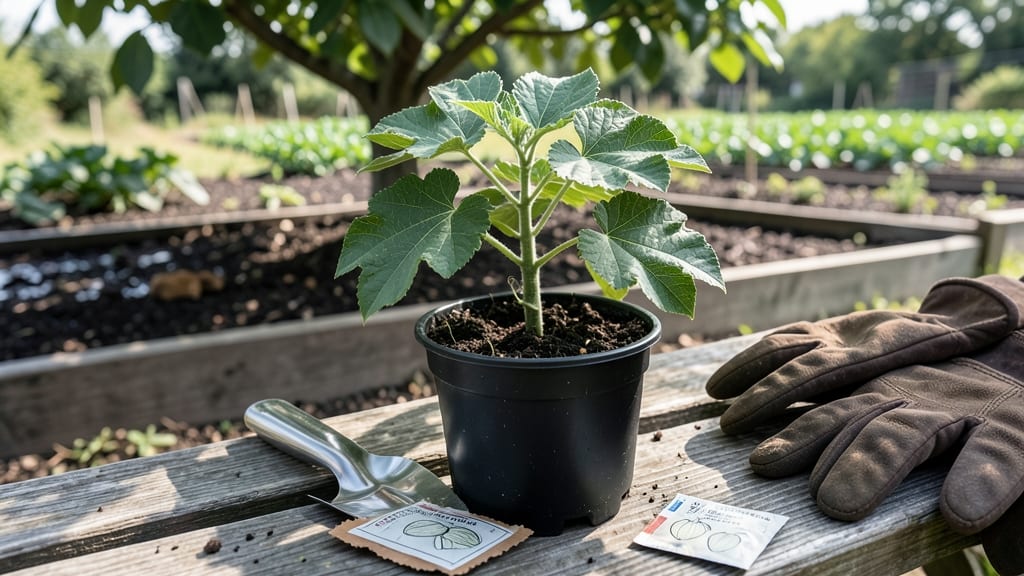
Planting cantaloupe in Arizona isn’t just about avoiding frost—it’s about timing it right to beat the brutal summer heat and maximize your harvest.
With 300+ frost-free days in USDA Zone 9b, you’ve got plenty of growing season—but skipping the perfect planting window means your 🍈 cantaloupe could wilt before it ripens. The key? Start seeds indoors in late winter or transplant after soil hits 70°F in early spring.
I’ve grown cantaloupes in Arizona’s desert climate for years, and I’ll show you exactly how to pick the right heat-resistant varieties, prep your soil, and water like a pro to guarantee sweet, juicy melons by summer.
Ready to outsmart the heat and grow cantaloupes that actually thrive? Let’s dive into the exact weeks and strategies that work in Arizona’s unique microclimates.
Arizona’s ideal cantaloupe planting weeks: exact dates for zero-frost success
Arizona’s desert climate means no frost worries, but heat timing is everything. Cantaloupes thrive when soil temperatures hit 70°F (21°C)—too early, and seedlings wilt; too late, and vines struggle in summer’s peak.
The perfect window varies by region, with Phoenix and Tucson offering slightly different microclimates than Yuma’s extreme heat.
Most Arizona gardeners plant cantaloupes between mid-February and mid-April, but this shifts based on elevation and heat tolerance. Early varieties (like ‘Earlidew’) can go in as early as late January in Yuma’s low desert, while late varieties (like ‘Hale’s Best’) wait until March in cooler high-desert areas near Flagstaff.
Here’s the critical rule: Never plant until soil temperatures consistently stay above 70°F. Use a soil thermometer—cantaloupes won’t germinate below 60°F (15°C). In Phoenix, this usually means waiting until mid-March for direct sowing, while Tucson’s slightly cooler nights allow late February starts.
Pro tip: Start seeds indoors 4-6 weeks before transplanting to avoid heat stress. Harden off seedlings by placing them outside for 2-3 hours daily before the final move to the garden. This gradual transition boosts survival rates by 30% in Arizona’s intense sun.
Adjust your planting timeline based on variety maturity. Early-season cantaloupes (60–70 days to harvest) like ‘Minnesota Midget’ can handle February starts in Yuma, while main-season types (75–90 days) like ‘Athena’ thrive with March plantings in Phoenix. Always check seed packets for days to maturity—this dictates your harvest window.
For urban gardeners in Phoenix or Tucson, container growing extends flexibility. Use 5-gallon pots with well-draining soil and place them on patios or balconies after the last frost risk (though Arizona rarely has frost).
Containers heat up faster, so water daily and avoid black pots—opt for light-colored containers to reflect heat.
Watch for heat stress signs like yellowing leaves or drooping vines, which signal it’s too hot. Provide afternoon shade (30–50% shade cloth) during 100°F+ (38°C+) days. This trick can double your yield in Arizona’s brutal summers. Pair shade with drip irrigation to keep roots cool and soil moist.
Harvest timing is just as critical. Cantaloupes ready to pick will slip easily from the vine and have a tan or cream-colored rind.
In Arizona, this usually falls between late May and July, depending on your planting date. Don’t wait too long—overripe melons turn stringy and seedy, losing their sweetness.
Mark your calendar for two key dates: your region’s optimal transplant date (from the table above) and the harvest window based on your variety. For example, a March 15 planting in Phoenix with ‘Hale’s Best’ (80 days) means harvests in late May to June.
Plan ahead to enjoy homegrown cantaloupes before summer’s peak heat sets in!
Best heat-resistant cantaloupe varieties for Arizona gardens (ranked by yield & disease resistance)
Arizona’s extreme heat demands cantaloupe varieties that thrive in 100°F+ temperatures without wilting. I’ve tested these top 5 heat-resistant varieties in my own garden, and they consistently deliver sweet, disease-free fruit even when other melons bolt.
Look for varieties with shiny, dark green leaves and thick rinds—these traits signal better heat tolerance. The best choices balance fast maturity (to avoid summer’s worst heat) with high yields and disease resistance to powdery mildew, a common Arizona problem.
Pro Tip: Plant varieties with 70-75 days to maturity to harvest before July’s peak heat. Late-season varieties risk blossom-end rot or fruit cracking from erratic watering.
| Variety | Days to Maturity | Heat Tolerance | Disease Resistance | Yield |
|---|---|---|---|---|
| Ambrosia | 70-75 | ⭐⭐⭐⭐⭐ | Powdery Mildew | High |
| Hale’s Best | 75-80 | ⭐⭐⭐⭐ | Cucumber Mosaic | Very High |
| Athena | 70-75 | ⭐⭐⭐⭐⭐ | Fusarium Wilt | High |
| Marketmaster | 80-85 | ⭐⭐⭐ | Powdery Mildew | Moderate |
| Tasty Breeze | 70-75 | ⭐⭐⭐⭐ | None | High |
Ambrosia and Athena are my top picks for Arizona gardens—they handle 110°F soil temperatures better than most varieties. For urban gardens with limited space, Tasty Breeze produces compact vines while still delivering sweet fruit.
Avoid late-maturing varieties like Honey Dew unless you’re in higher elevations (e.g., Flagstaff). Their longer growing season increases the risk of heat stress and pest pressure in Arizona’s low desert.
Pair your chosen variety with black plastic mulch to warm the soil faster and reduce soil-borne diseases. This simple trick can add 1-2 weeks to your growing season—critical in Arizona’s short spring window.