
Plants
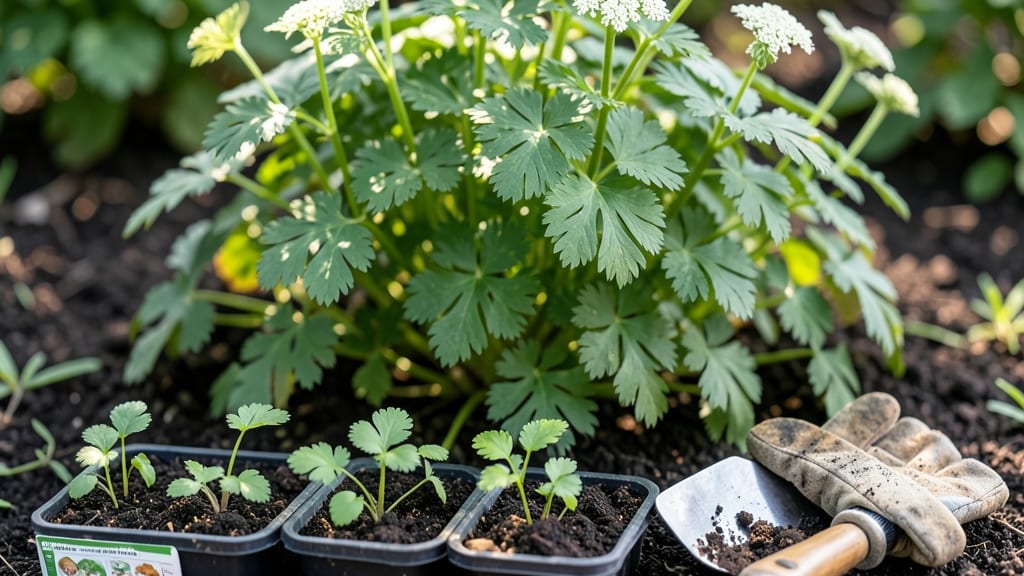
Planting cilantro in Oregon isn’t just about timing—it’s about dodging the coastal chill and inland heat that can turn your fresh cilantro dreams into bitter disappointment.
Whether you’re in Portland’s mild coastal zone or the hotter valleys of the Willamette, getting the frost-free window right means the difference between a lush harvest and a sad, bolted plant.
Most gardeners in Oregon’s 7b-9a zones know cilantro thrives in cool weather, but the devil’s in the details. Too early, and a late frost will nip your 🌿 cilantro in the bud; too late, and the summer sun will send it racing to seed.
The key? Planting in early spring (March-April) and late summer (August-September) for a fall crop—just like the pros do.
But here’s the secret: Oregon’s microclimates mean your neighbor’s perfect timing might not work for you. Coastal areas like Astoria can handle earlier plantings, while inland spots like Bend need to wait a bit longer.
I’ll break down the exact frost dates and planting windows so you can align your cilantro schedule with your local climate—no guesswork, just green success.
Ready to grow cilantro that stays fresh and flavorful all season? Let’s dive into the planting calendar and strategies that’ll keep your herb game strong, whether you’re a coastal gardener or an inland grower. Trust me, your salsa will thank you.
Oregon’s cilantro planting calendar by microclimate: coastal vs. inland timing
Oregon’s diverse climate zones—from the cool, foggy coast to the warmer Willamette Valley and dry inland regions—require tailored planting strategies for cilantro. The key is timing: plant too early, and frost will kill tender seedlings; too late, and summer heat will cause cilantro bolting (premature flowering).
Let’s break down the optimal frost-free windows for each microclimate.
Cilantro thrives as a cool-season crop, meaning it grows best when soil temperatures stay below 75°F (24°C). In Oregon, this translates to early spring (March-April) and late summer/early fall (August-September) plantings.
Coastal areas have a longer growing season, while inland zones like the High Desert must act faster before summer heat arrives.
Use these guidelines to align your planting with Oregon’s average last frost dates:
- Coastal Oregon (e.g., Astoria, Cannon Beach): Last frost around March 15, first frost November 15.
- Willamette Valley (e.g., Portland, Eugene): Last frost March 22-April 5, first frost October 15-November 1.
- High Desert (e.g., Bend, Redmond): Last frost April 15-May 1, first frost October 1-November 15.
| Microclimate | Spring Planting | Fall Planting | Harvest Window |
|---|---|---|---|
| Coastal Oregon | March 15-April 15 | August 15-September 15 | May-June & Oct-Nov |
| Willamette Valley | April 1-May 1 | August 1-September 10 | May-July & Sept-Oct |
| High Desert | April 15-May 15 | July 15-August 15 | June-July & Sept-Oct |
For coastal gardeners, cilantro’s long growing season allows for two full harvests: one in spring and another in fall. In the Willamette Valley, focus on succession planting every 2-3 weeks from April to August to avoid bolting.
Meanwhile, High Desert growers should prioritize shade cloth and evening watering to delay heat stress.
Pro tip: Use seed starting dates 4-6 weeks before your region’s last frost to give seedlings a head start. For example, coastal gardeners can start seeds indoors in February, while High Desert gardeners should wait until mid-March to avoid frost damage.
Monitor your local microclimate conditions—even within cities like Portland, neighborhoods can vary by 5-10°F. Use a soil thermometer to confirm temperatures stay below 75°F (24°C) for optimal growth. If daytime temps creep above 80°F (27°C), cilantro will bolt within 2-3 weeks.
In fall plantings, aim to harvest cilantro before the first frost. Coastal areas can extend harvests into November, while inland zones should wrap up by mid-October. Use row covers to push harvests later if needed.
Remember: cilantro’s 6-8 week growth cycle means timing is everything. Miss the window, and you’ll be left with bitter leaves or seed stalks instead of fresh herbs. Plan ahead, and you’ll enjoy homegrown cilantro from spring through fall!
How to extend your cilantro harvest in Oregon’s short growing season
Oregon’s cool, wet springs and quick summer heat make cilantro a tricky herb to grow all season. But with the right strategies, you can enjoy fresh cilantro from early spring through late fall.
The key? Succession planting, shade protection, and smart companion planting to keep your cilantro happy—and bolt-free—as long as possible.
Most gardeners in Oregon focus on two main planting windows: early spring (March-April) and late summer (August-September). But why stop there? By using weekly sowings and shade cloth, you can stretch your harvest into October or even November in coastal areas.
Even inland, a little planning means you won’t miss out on fresh cilantro for tacos or salads all summer long.
Here’s my proven 3-step plan to extend your cilantro harvest, no matter where you garden in Oregon. These tactics work for Portland’s mild climate, Eugene’s longer summers, and even Bend’s high-desert heat. The goal? Continuous harvests without the bitter, bolted disappointment.
-
📅 Succession Plant Every 2-3 Weeks
Sow new cilantro seeds every 2-3 weeks from March through August. This ensures you always have young, tender plants ready to harvest before they bolt. For example, plant your first batch in early March, then follow up with seeds in mid-April, late May, and early July to keep the cycle going. -
☀️ Use Shade Cloth in Summer
When temperatures rise above 75°F, cilantro bolts faster than a jackrabbit. Protect your plants with 30-50% shade cloth from June through August. This keeps soil temps cooler and slows bolting. In Portland or Eugene, start shading by mid-June; in Bend or Redmond, begin as early as late May. -
🌿 Plant with Bolt-Resistant Companions
Pair cilantro with shade-providing plants like lettuce, spinach, or bush beans to create natural shade. Avoid planting near dill or fennel, which can cross-pollinate and cause bolting. For a container garden, mix cilantro with basil or parsley—they thrive in similar conditions but won’t compete for space.
Don’t forget to harvest regularly—pinching back the outer leaves encourages bushier growth and delays bolting. If you notice flowers forming, snip them off immediately to redirect energy into leaf production.
Even in Oregon’s short growing season, these tricks can give you 4-5 harvests per year instead of just two.
For coastal gardeners, like those in Astoria or Cannon Beach, you can push your fall crop into November by using row covers to protect against early frosts. Inland areas should aim for a late September harvest before the first frost hits.
Either way, with these methods, you’ll never run out of fresh cilantro again—just in time for your next batch of guacamole or salsa!