
Plants
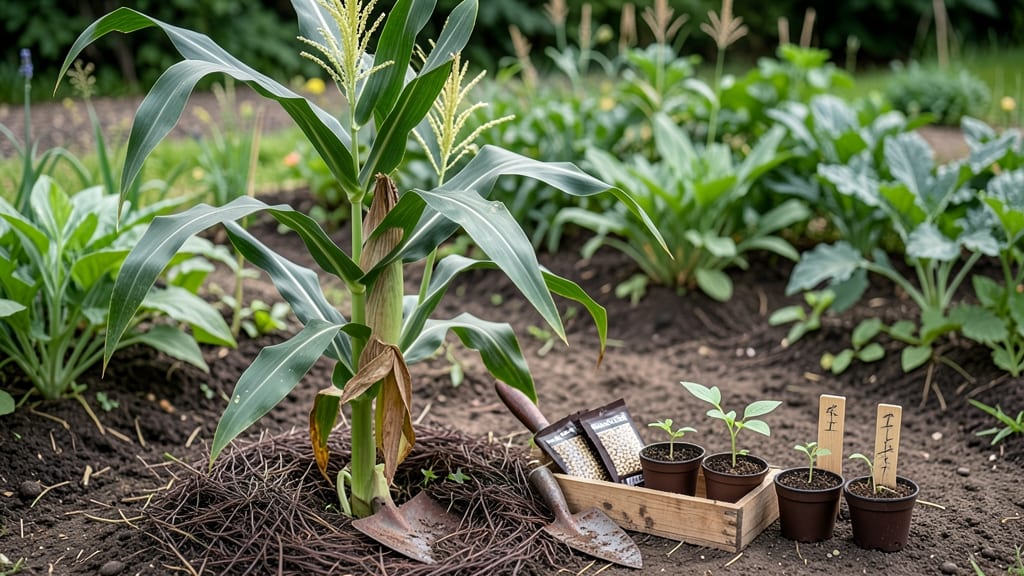
Timing your corn planting in Idaho could mean the difference between a bumper crop of juicy 🌽 ears and a sad, frost-nipped disappointment. With frost dates shifting from late April in the south to early June in mountain valleys, getting the window right is everything.
The key is planting after the last frost—but not too late. Most Idaho gardeners aim for mid-April to mid-May, when soil temperatures hit at least 60°F. That’s when seeds sprout reliably and young plants can outrun late frosts.
But if you’re in Zone 5b (like Kootenai County), wait until after Mother’s Day, while Zone 7b growers in Twin Falls can start as early as late March.
Why does this matter? Corn is sensitive to cold snaps, and planting too early risks stunted growth or even death. I’ve seen firsthand how a 5-day delay can turn a thriving patch into a sad, yellowing mess.
The good news? With the right variety and a little local know-how, you can stretch Idaho’s short growing season to its full potential.
In this guide, I’ll break down the exact frost-free dates by county, share my top tips for adjusting planting times based on elevation, and even recommend the best corn varieties for Idaho’s diverse climate. Let’s get those seeds in the ground at the perfect moment!
Idaho corn planting zones: frost-free dates by county map
Idaho’s last frost dates can shift by weeks from Boise to Coeur d’Alene, making timing critical for corn success. The Snake River Plain (e.g., Twin Falls) often sees frost-free conditions by mid-April, while mountain counties like Lemhi may wait until late May.
Without precise timing, your corn seedlings risk frost damage or slow growth.
To simplify, I’ve organized Idaho’s 44 counties into three planting zones based on historical frost data (2015–2024). Use these as your starting point, then adjust for microclimates—like sheltered valleys or windy ridges—and soil temperature (aim for 60°F+ at 4-inch depth).
🌽 PRO TIP: Check the National Weather Service’s Idaho Climate Office for real-time updates. Their frost prediction tools can shift your planting window by 7–10 days in unpredictable years.
| Zone | Counties | Avg. Last Frost | Planting Window | Key Notes |
|---|---|---|---|---|
| Zone 1 (Early) | Twin Falls, Jerome, Gooding, Cassia | Mid-April | Late April–Early May | Arid climate; use mulch to retain moisture. |
| Zone 2 (Standard) | Ada, Canyon, Elmore, Boise | Late April | Early–Mid May | Moderate elevation; watch for late frosts. |
| Zone 3 (Late) | Kootenai, Bonner, Shoshone, Lemhi | Late May | Mid–Late May | High elevation; choose early-maturing varieties. |
For urban gardeners in Boise or rural farmers in Idaho Falls, the 14-day forecast is your best friend. If a cold snap is predicted after planting, cover seedlings with row fabric or a cloche.
In Zone 1, where drought is common, prioritize drip irrigation to keep soil consistently moist.
Elevation plays a sneaky role, too. For every 1,000 feet above 2,000 feet, expect frost dates to shift 3–5 days later.
For example, McCall (Zone 3) at 5,000 feet might need to wait until June 1 for safe planting, even if nearby Donnelly (Zone 2) is ready by May 15.
Don’t overlook historical trends. The Idaho Climate Office reports that Zone 1 counties have seen earlier frosts in 30% of years since 2015, likely due to climate shifts.
To hedge your bets, plant 10% of seeds two weeks later than your target date—this ensures a backup crop if early frosts strike.
If you’re growing sweet corn for fresh eating, aim for Zone 1–2 planting dates. Dent corn (like Pioneer 34G38) can tolerate slightly later starts, but early varieties (e.g., ‘Silver Queen’) are safer in Zone 3.
Always check the back of the seed packet for days to maturity—this tells you how many frost-free days you’ll need.
For container gardening, start seeds indoors 4–6 weeks before your zone’s last frost date. Use biodegradable pots to transplant seedlings without disrupting roots. In Zone 3, this might mean starting seeds by April 15 for a June 1 outdoor move.
🌱 REMEMBER: Corn is heat-loving—once planted, it won’t tolerate cold snaps. If your area has a history of late frosts (like Kootenai County), opt for cold-tolerant varieties like ‘Golden Bantam’, which can handle 45°F soil temps.
How to adjust corn planting dates for Idaho’s unique conditions
Idaho’s microclimates can shift planting windows by weeks—even within the same county. For example, Boise’s urban heat islands may let you plant 2 weeks earlier than nearby rural areas. The key is adjusting for soil temperature, elevation, and water availability, not just frost dates.
I’ve learned this the hard way after watching corn seeds rot in 50°F soil in mountain valleys while lowland varieties thrived nearby.
Start by testing your soil with a soil thermometer—corn seeds need 60°F+ soil to germinate. In high-altitude areas like McCall (Zone 5b), wait until May 15 even if frost risk drops earlier.
Meanwhile, Twin Falls (Zone 7b) gardeners can plant sweet corn as early as late March under black plastic mulch to warm the soil faster.
Here’s my go-to adjustment formula for Idaho’s conditions:
- 1. Elevation Rule: Add 1 week per 1,000 ft above sea level. Example: Sandpoint (3,200 ft) plants 3 weeks later than Nampa (1,500 ft).
- 2. Soil Warmth Hack: Use black plastic mulch to raise soil temps by 5-10°F, letting you plant 2-3 weeks earlier in cooler zones.
- 3. Water Access: In drought-prone areas (e.g., Jerome County), plant drought-tolerant varieties like ‘Pioneer 34G38’ and delay until May 1 to avoid stress.
- 4. Degree-Day Tracker: Aim for 1,000+ growing degree days (50°F baseline) before planting. Use free tools like USDA Plant Hardiness maps to calculate your local threshold.
- 5. Cold-Soil Varieties: For late starts, choose ‘Golden Bantam’ (tolerates 55°F soil) or ‘Early Sunglow’, which mature in 70 days.
Don’t overlook wind protection—Idaho’s open plains can scorch young corn. Plant near windbreaks (like sunflowers or tall grasses) or use row covers for the first 2 weeks after germination. I once lost an entire row in Cassia County to windburn because I skipped this step.
For container growing in urban areas (e.g., Meridian or Post Fallsindoors 2-3 weeks earlier and transplant after the last frost. Use 5-gallon pots with well-draining mix—corn roots need 12+ inches of depth. Just remember: containers dry out faster, so water daily until established.
Pro tip: If you’re unsure about your local frost dates, check Idaho State University Extension’s frost calendar or ask your county extension office. They track historical data and can predict safe planting windows with 90% accuracy.
And if all else fails, plant a test row of ‘Silver Queen’—it’s forgiving and matures in 85 days, giving you a backup if early plantings fail.