
Plants
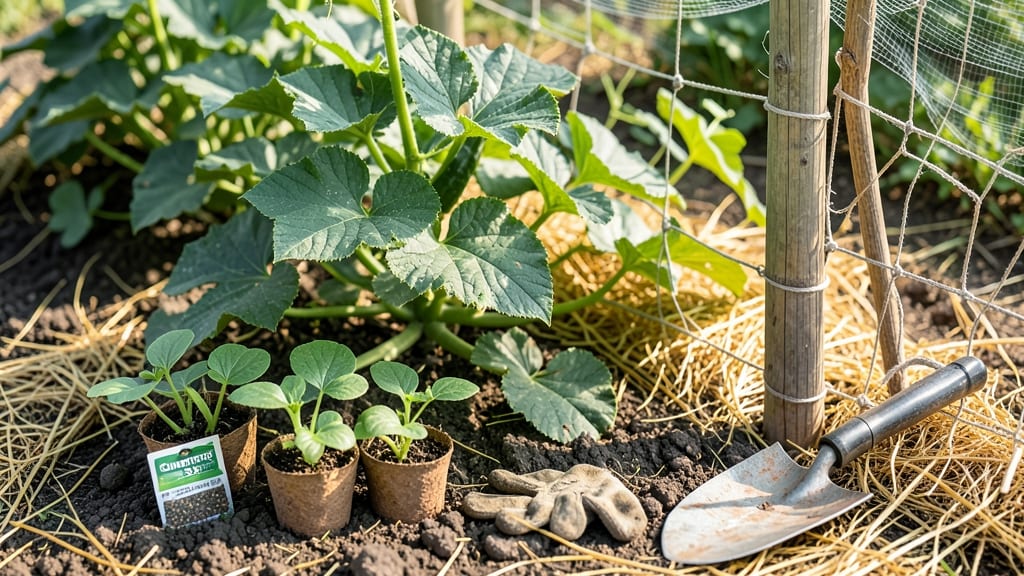
Planting cucumbers 🥒 in Zone 9 at the wrong time means slow germination and missed harvests—even though your climate is perfect for fast-growing vines. The key isn’t just checking the calendar but waiting for soil temperatures to hit 60°F or higher, which triggers those seeds to burst into action.
Most gardeners in Zone 9 rush to plant in late winter, but cooler soil temperatures can leave you staring at stubborn seeds for weeks.
I’ve learned the hard way that patience pays off—waiting until March or early April ensures your cucumbers shoot up in just 5-7 days instead of dragging out for three weeks.
This guide breaks down exactly when to plant for fast germination, how to test soil warmth, and why late spring plantings can still work if you use shade cloth. Whether you’re in Southern California, Arizona, or Florida, these tips will help you time your cucumbers right every season.
Ready to skip the guesswork? Let’s dive into the soil temperature secrets that make all the difference between a bountiful harvest and a garden full of disappointment.

Optimal planting times for cucumbers in Zone 9 based on soil temperature
In Zone 9, cucumbers can technically be planted year-round, but the best time focuses on soil temperature and avoiding extreme heat. Unlike cooler zones, you don’t need to wait for frost to pass—just ensure the soil is warm enough for germination.
For most of Zone 9, this means aiming for late winter to early spring, typically between February and March.
Cucumber seeds need soil temperatures of at least 60°F (15°C) to sprout reliably. In inland areas like Arizona or Southern California, soil warms faster, so you can plant as early as January.
Coastal regions, like parts of Florida, may need to wait until March due to cooler ocean breezes delaying soil warmth.
🌱 Key Insight: Soil temperature matters more than air temperature. Use a soil thermometer to check depth (1–2 inches down). If it’s below 60°F, wait a week or two—cucumber seeds won’t germinate in cooler soil, even if the air feels warm.
Here’s how to test your soil’s readiness: Insert the thermometer into the ground where you plan to plant. If it reads 60°F or higher, it’s time to sow. Pro tip: Morning is the best time to test, as soil temperatures fluctuate less than afternoon readings.
Zone 9’s frost-free window is nearly year-round, but heat stress becomes a bigger issue in summer. Planting in late winter or early spring gives cucumbers time to establish roots before the 100°F+ temperatures of summer arrive.
This also helps avoid powdery mildew, a fungal disease that thrives in hot, humid conditions.
For bush varieties (like ‘Bush Champion’), you can push planting slightly later—even into April—since they mature faster. Vining varieties (such as ‘Straight Eight’ or ‘Marketmore’) benefit from earlier planting to maximize their growing season before summer heat sets in.
Regional microclimates play a huge role. In desert areas (e.g., Phoenix), soil warms quickly, so you might start in January. In humid coastal zones (e.g., Miami), wait until March to avoid fungal issues. Always monitor local weather patterns—unexpected cold snaps can still occur, even in Zone 9.
If you’re eager for an early harvest, consider using black plastic mulch or row covers to warm the soil faster. These methods can shave off 1–2 weeks of waiting time by trapping heat. Just remove covers once seedlings emerge to prevent overheating.
Here’s a quick rule of thumb: Plant cucumbers in Zone 9 when your neighborhood’s peach trees start blooming. This natural indicator usually aligns with soil temperatures hitting that 60°F threshold.
For fall planting, aim for August to early September to give cucumbers time to mature before winter rains arrive. However, this is riskier due to shorter daylight hours and potential fungal pressure. Stick to disease-resistant varieties like ‘Straight Eight’ or ‘Lemon Cucumber’ if you choose this route.
| Zone 9 Planting Window | Soil Temp Requirement | Best Varieties | Key Consideration |
|---|---|---|---|
| Late Winter (Feb) | 60°F+ (15°C) | 'Straight Eight', 'Marketmore' | Avoid heat stress; use mulch |
| Early Spring (Mar) | 65°F+ (18°C) | 'Bush Champion', 'Lemon' | Ideal for most of Zone 9 |
| Fall (Aug-Sep) | 60°F+ (15°C) | 'Diva', 'Sweet Success' | Risk of fungal diseases; choose resistant types |
| Summer (Jun-Jul) | 70°F+ (21°C) | 'Armenian', 'Suyo Long' | High heat tolerance; needs extra water |
🌱 Pro Tip: Always plant after testing soil temperature—don’t rely on air temps alone!
One common mistake in Zone 9 is planting cucumbers too early in January without checking soil temps. While the air may feel warm, cool nights can delay germination. If you’re impatient, use biodegradable seed starter pots to get a head start indoors, then transplant once soil warms.
For container gardening, soil heats up faster, so you can plant 1–2 weeks earlier than in-ground. Just ensure your pots have drainage holes and use a lightweight potting mix to prevent compaction. Containers also dry out quicker, so plan for daily water
Optimal planting times for cucumbers in Zone 9 based on soil temperature
In Zone 9, cucumbers 🥒 love warmth but hate cold soil—so timing your planting around soil temperature (not just air temperature) is everything. The magic number is 60°F (15°C), where seeds germinate in just 5-7 days.
Below that, germination slows to 3+ weeks, and seedlings become vulnerable to rot.
Most gardeners in Southern California or Arizona plant between mid-February and early April, but coastal areas (like San Diego) can start 2-3 weeks earlier thanks to milder microclimates. Inland zones (e.g., Phoenix) should wait until late March to avoid overnight dips below 55°F (13°C).
Here’s the soil temperature breakdown for Zone 9 planting success:
To test soil temperature, use a soil thermometer (insert 2–3 inches deep in morning sun). If it’s below 60°F, wait—even if air temps feel warm. Pro tip: Black plastic mulch warms soil 5–10°F faster than bare earth, letting you plant 1–2 weeks earlier.
For late spring plantings (May–June), choose heat-tolerant varieties like ‘Straight Eight’ or ‘Lemon Cucumber’ and provide afternoon shade to prevent sunscald. Just avoid planting after mid-July—summer’s relentless heat stresses vines and attracts cucumber beetles, which chew leaves and spread disease.
Zone 9’s long growing season means you can even try fall plantings in September for a winter harvest, but prioritize disease-resistant varieties and well-draining soil to combat humidity. The key? Listen to your soil—not the calendar.