
Plants
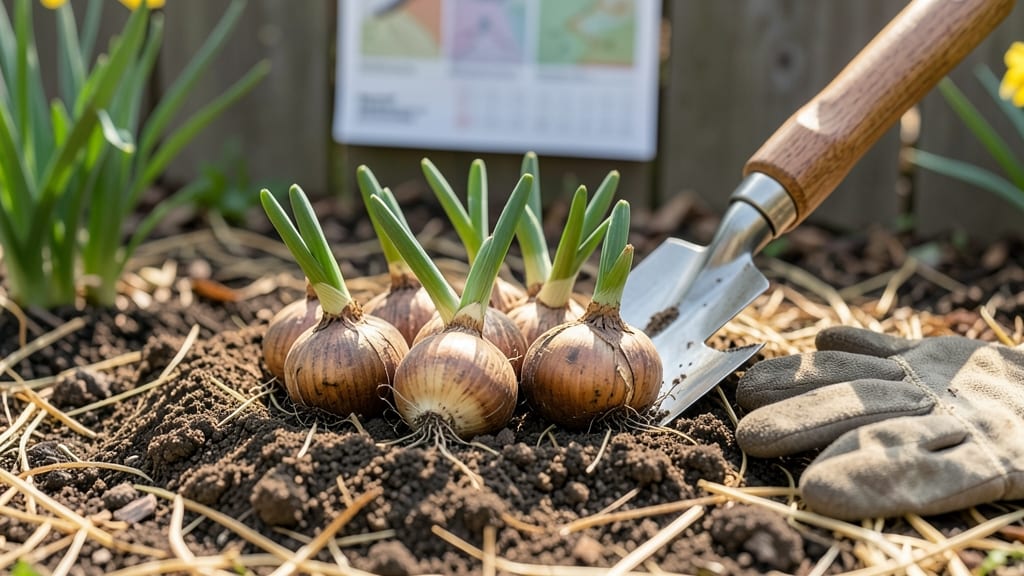
Planting daffodil bulbs in Massachusetts at the wrong time could mean waiting another year for those cheerful 🌼 blooms to appear.
The key to success in Zone 5B isn't just about dropping bulbs in the ground—it's about timing them perfectly between the first frost and when the soil turns too cold for root growth.
Most gardeners in Massachusetts know fall is the magic window, but did you realize you only have about 6 weeks to get it right? Missing this narrow window means bulbs won't establish strong roots before winter, leaving them vulnerable to frost damage or weak growth next spring.
I've learned the hard way that planting too early or too late can turn your daffodil dreams into a dormant disappointment. The good news?
With the right timing and a few simple prep steps, you can ensure your bulbs thrive through our unpredictable winters and deliver those vibrant spring blooms year after year.
Let me walk you through exactly when to plant, how to prepare your soil, and what to watch for to guarantee your daffodils burst through the snow—just like they do in those perfect springtime photos.
Ideal planting timeline for Massachusetts daffodils (zone 5B)
In Zone 5B, the 6-week window between mid-October and mid-November is your golden opportunity to plant daffodil bulbs. This period balances soil temperature (ideally 50-60°F) and frost risk, giving roots time to establish before winter.
Plant too early, and bulbs may sprout prematurely; too late, and they won’t root deeply enough to survive Zone 5B winters. Massachusetts’ average first frost on October 15 sets your deadline—aim to finish by November 15 at the latest.
Your best planting months are October and November, but early September works in a pinch if soil stays warm. Use a soil thermometer to confirm temperatures are below 60°F—this signals roots will slow growth and prepare for dormancy.
In warmer microclimates (like coastal areas), you might push planting into early December, but inland gardeners should stick to the October-November window.
Here’s the critical timeline for Massachusetts gardeners:
| Stage | Action | Notes |
|---|---|---|
| Early September | Test soil temperature | Ideal: 60-70°F (bulbs won’t sprout) |
| Mid-October | Plant bulbs 6-8" deep | Soil temp: 50-60°F |
| November 15 | Final planting deadline | Ground should freeze within 2 weeks |
| December-February | Bulbs dormant | Protect from vole damage with wire mesh |
| March-April | Shoots emerge | Blooms in 4-6 weeks |
If you miss the fall window, spring planting is possible but risky in Zone 5B. Plant in March or early April if soil is workable, but expect smaller blooms the first year.
Bulbs need 6-8 weeks to root before summer heat arrives—this rarely works for full-size flowers. For reliable results, stick to fall planting.
Adjust your timeline based on microclimates. Coastal MA (e.g., Cape Cod) has milder winters—plant bulbs 2-3 weeks later than inland areas. Inland gardeners (e.g., Worcester or Springfield) should plant earlier to avoid early freezes.
Check your last frost date (typically April 15) and count 6-8 weeks backward to set your deadline.
Pro tip: Use a planting calendar or local Cooperative Extension Service data for your specific town. For example, Boston’s last frost averages April 20, while Western MA sees frost by April 10. These differences can shift your planting window by 1-2 weeks.
Don’t overlook soil drainage—daffodils rot in soggy soil. In clay-heavy MA soils, amend with compost or sand to improve drainage.
If your yard floods in spring, plant bulbs on a mound or raised bed to prevent waterlogging. Well-draining soil is non-negotiable for bulbs to survive Zone 5B winters.
For container gardening, plant bulbs in late October and keep pots in a garage or shed until March. Move containers outdoors only after last frost to avoid root shock. This method works well for balconies or patios where in-ground planting isn’t possible.
Remember: Daffodils planted in fall reward you with bold spring blooms that brighten snowy landscapes. But rush the process, and you’ll end up with weak stems or no flowers at all. Follow this timeline, and your Zone 5B garden will explode with color by April! 🌼
Ideal planting timeline for Massachusetts daffodils (zone 5B)
In Massachusetts' Zone 5B, daffodil bulbs need that perfect 6-week window between mid-October and mid-November to establish roots before winter sets in. Plant too early, and roots may grow too much before frost.
Too late, and they won't have time to anchor before the ground freezes—both scenarios lead to weak or no blooms next spring.
I've found the sweet spot is when soil temperatures drop to 50-60°F (10-15°C)—this triggers root growth without encouraging premature sprouting. Most years in Massachusetts, this happens around mid-October, but I always check my local frost date forecasts (like those from the National Weather Service) to adjust.
Here's the critical timeline you should follow: aim to plant 4-6 weeks before your first hard frost. For most of Massachusetts, that means October 15 to November 15. If you're in western MA where winters hit earlier, shift toward the earlier end of this window.
Don't panic if you miss the fall window—daffodils can be planted in early spring (March-April) as a last resort, though they'll bloom later that same year. The trade-off is worth it if you forgot this fall!
🌼 Massachusetts Daffodil Planting Timeline
| Stage | Action | Soil Temp | Notes |
|---|---|---|---|
| Early Fall Prep | Test soil pH (6.5-7.0 ideal) | 60-70°F | Add compost if needed |
| Primary Planting | Plant bulbs 6" deep, 4-6" apart | 50-60°F | Mid-October to mid-November |
| Frost Protection | Mulch with 2-3" straw | Below freezing | After first hard frost |
| Spring Sprouting | Remove mulch when shoots appear | 40-50°F | Late March-April |
| Bloom Time | Enjoy flowers April-May | 50-65°F | After last frost |
Pro tip: Use a soil thermometer to check temperatures—this is more accurate than guessing by weather alone. I keep mine buried in my garden bed to track when conditions are perfect for planting.
Remember, daffodil bulbs need cold stratification to bloom properly, so don't rush them into warm soil too early.
For gardeners in coastal areas like Cape Cod, you might extend your window slightly later into November thanks to milder winters. But inland areas should err on the earlier side to avoid early freezes.
The key is watching your local microclimate—what works for a friend 20 miles away might not work for your yard.
Once planted, your daffodils will reward you with bold spring blooms that brighten up even the grayest Massachusetts days. Just remember: the earlier you plant within that 6-week window, the stronger your roots will be by spring—so don't wait until the last minute!