
Plants
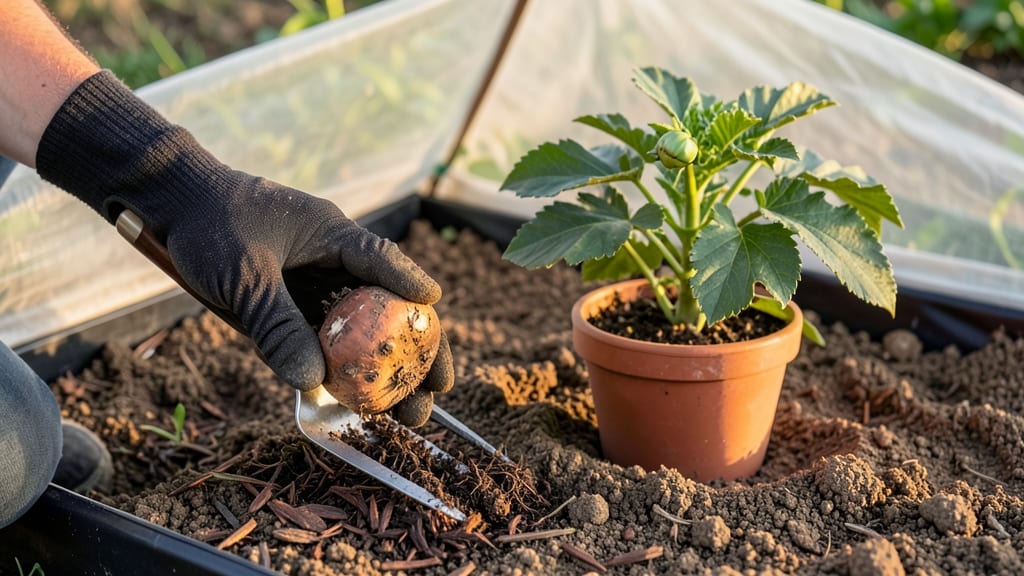
Planting dahlias in Minnesota isn't just about waiting for spring—it's about catching that perfect frost-free window when soil warmth and timing align for stunning summer blooms. 🌸 With our short growing season, getting these vibrant flowers in the ground too early risks frost damage, while waiting too long might cut your blooming season short.
Most Minnesota gardeners aim for mid-to-late May, but the real secret lies in soil temperature. Dahlias need the ground to reach at least 60°F before you plant, and that can vary by 10 days or more across the state.
I'll show you how to test your soil warmth and adjust your planting schedule for your specific USDA zone.
Once you've nailed the timing, we'll cover everything from proper tuber depth to post-planting care that keeps your dahlias thriving through Minnesota's unpredictable summers. Whether you're in the Twin Cities or Duluth, these strategies will help you maximize your blooming season.
Let's dive into the exact steps to give your dahlias the best possible start—because in Minnesota, every day counts when it comes to growing these show-stopping summer flowers.
Minnesota’s ideal soil temperature for planting dahlias
Dahlias are frost-sensitive divas that demand warm soil to thrive. In Minnesota’s USDA Zones 3-5, the magic number is 60°F soil temperature—this warmth signals tubers it’s safe to sprout without risking frost damage.
Planting too soon in cold soil stunts growth, while waiting too long cuts your blooming season short. Let’s dig into how to nail this critical threshold for your region.
Why 60°F soil? Dahlias originate from Mexico’s high-altitude regions where cool nights and warm days create ideal conditions. At 60°F, tubers metabolize sugars to grow roots before sending up shoots.
Below this, they rot; above, they bolt too quickly. Use this as your green light for planting, not air temperature—which can fool you with warm spring days while soil stays chilly.
Testing soil warmth is simpler than you think. Grab a soil thermometer (digital or dial) and check 2-3 inches deep—where tubers will sit. Morning readings are most accurate since soil cools overnight.
If your thermometer reads 55°F, wait 3-5 days and retest. Pro tip: Place the thermometer in a shady spot to avoid sun-warmed surface readings that skew high.
No thermometer? No problem. Try the DIY finger test: Stick your hand in the soil for 10 seconds. If it feels warm but not hot (like a lukewarm bath), you’re likely at 60°F.
For a visual cue, watch for dandelions blooming—their presence often signals soil warmth is rising. Pair this with your local last frost date (usually mid-May in southern MN, late May in the north) to time your planting perfectly.
Minnesota’s regional variations mean soil warms at different speeds. Southern MN (Zone 5) hits 60°F soil by late April to early May, while northern areas (Zone 3) may wait until mid-to-late May.
Use the summary table below to compare your zone’s typical timeline. Remember: Soil warms faster in black plastic mulch—a trick to jumpstart your season by 1-2 weeks in cooler zones.
| USDA Zone | Typical 60°F Soil Date | Planting Window | Soil Prep Tip |
|---|---|---|---|
| Zone 5 (Southern MN) | Late April - Early May | Mid-May (after last frost) | Add compost to warm soil faster |
| Zone 4 (Twin Cities, Rochester) | Early to Mid-May | Late May (10-day buffer) | Use black plastic mulch for warmth |
| Zone 3 (Duluth, Northern MN) | Mid-to-Late May | Early June (extended buffer) | Start tubers indoors in March |
Once soil hits 60°F, act fast! Dahlias grow best when planted 2-3 weeks after soil warms—this gives tubers time to establish roots before summer heat arrives. In Zone 5, aim for early May planting; in Zone 3, wait until early June to avoid late frosts.
Pro move: Pre-warm tubers by soaking them in lukewarm water for 24 hours before planting to jumpstart growth.
What if your soil stays cold? Don’t despair—container gardening is your secret weapon. Fill pots with well-draining mix and place them on heat mats or in sunny south-facing spots to maintain 60°F+ soil.
Containers also let you move plants indoors if frost threatens. For in-ground gardens, raise beds warm up 1-2 weeks earlier than open soil, giving you a head start in cooler zones.
Watch for false springs—those warm spells in April that trick you into planting early. Dahlias can’t handle even light frost, so always verify soil warmth after a cold snap.
If temps dip below 50°F at night, cover newly planted tubers with straw mulch (3-4 inches thick) for overnight protection. This buffer keeps roots warm while shoots harden off.
After planting, keep soil consistently moist (not soggy) to encourage root growth. Dahlias in 60°F+ soil will sprout in 10-14 days, but shoots may take longer in cooler zones. Once leaves appear, reduce watering slightly to prevent rot—this helps tubers establish before the rush of summer growth.
For maximum blooms, pinch back the first 5 sets of leaves to encourage bushier growth.
Remember: Soil temperature > air temperature when planting dahlias. Even if May days feel warm, cold soil = failed tubers. Use the tools and tips above to master this threshold, and you’ll enjoy vibrant dahlias from July through frost. Happy planting! 🌸
Frost-free window & planting dates by Minnesota region
Understanding your local frost-free window is the key to successful dahlia planting in Minnesota. Since our state spans USDA zones 3-5, frost dates can vary by 2-3 weeks between northern and southern regions.
I’ve broken down the most critical planting windows for four key areas, including a 10-day buffer for tuber hardening before transplanting.
For accurate timing, always check your last frost date using the USDA Plant Hardiness Zone Map and local historical data. Most Minnesota gardeners wait until after May 15, but soil temperature is the real deciding factor—not just the calendar date.
We’ll cover how to verify soil warmth in the next section.
If you’re in southern Minnesota (Zone 5a), you can start planting as early as late April, but always wait for soil to warm to 60°F.
In northern regions like Duluth (Zone 4a), you’ll likely need to wait until early June—and consider using row covers for extra protection if planting earlier.
Pro tip: Use a soil thermometer to confirm warmth before planting. Dahlias won’t thrive in cold soil, and tubers can rot if planted too soon. For extra safety, add a 10-day buffer after your last frost date to allow tubers to harden off before transplanting.
Once your dahlias are in the ground, focus on consistent watering and mulching to maintain soil warmth. In Minnesota’s short growing season, every day counts—so don’t wait too long to get those tubers planted! 🌸