
Flowers
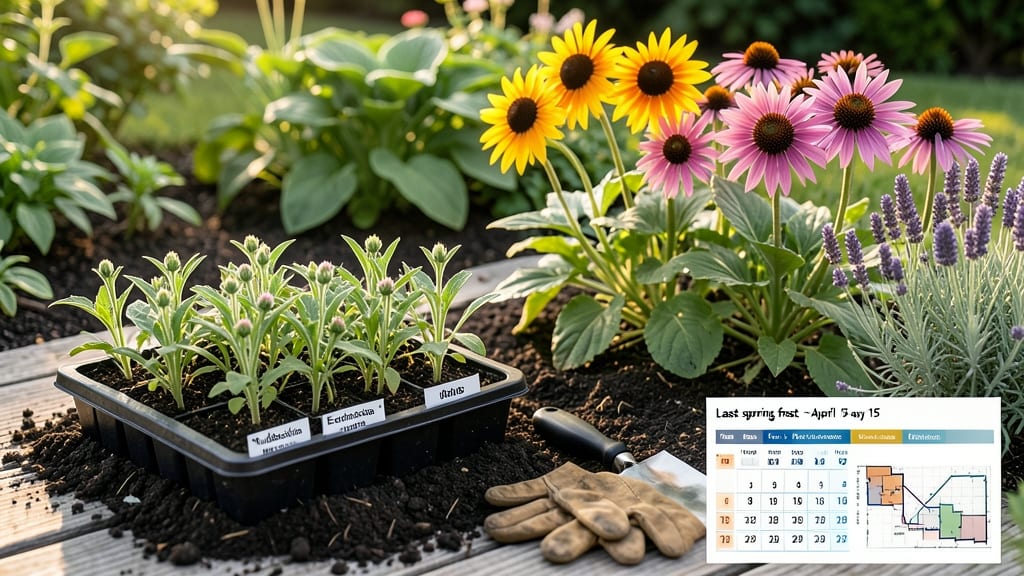
Timing when to plant flowers in Pennsylvania can feel like a guessing game—especially when last frost dates shift from year to year—but getting it right means the difference between a vibrant garden and a sad, frost-nipped disappointment.
With Zones 5b-7a to consider, knowing whether to dig in by March or wait until May depends on your region, the type of flowers you’re growing, and even the microclimate of your yard.
I’ve spent years perfecting the schedule, and what I’m about to share will help you avoid common pitfalls like planting tender annuals too early or missing the ideal window for perennials.
Whether you’re dreaming of summer-long blooms or preparing for a fall garden that lasts until the first frost, the key is understanding your local frost dates—and how to work with them.
Let’s break down the exact planting windows for Pennsylvania’s most popular flowers, so you can enjoy a garden that thrives from spring to fall.
From cold-hardy perennials that can handle a late April chill to heat-loving annuals that need to wait until after Mother’s Day, we’ll cover everything you need to know to plant with confidence. Ready to transform your garden into a year-round showstopper?
Pennsylvania frost dates by Zone: critical planting windows for flowers
Pennsylvania’s USDA Zones 5-7 create a 14-day window between northern and southern regions for planting flowers. In Zone 5b (northwest PA), the last spring frost typically arrives by May 1, while Zone 7a (southeast PA) sees frost-free conditions by April 15.
These dates shift 1-2 weeks earlier in urban areas like Philadelphia due to the "heat island" effect.
For fall planting, first frost hits Zone 5b by October 1, but Zone 7a can extend blooms until November 1. Microclimates—like south-facing slopes or protected valleys—can push these dates by 10-14 days.
Always check local weather forecasts 1 week before planting to avoid late frost surprises.
Understanding your exact frost dates is critical because tender annuals like marigolds or geraniums won’t survive even a light frost. Meanwhile, hardy perennials like coneflowers or daylilies can handle 28°F temperatures once established. Use this summary table to align your planting schedule with your zone’s frost-free window.
| Zone | Last Spring Frost | First Fall Frost | Planting Window | Example Regions |
|---|---|---|---|---|
| 5b | May 1 | October 1 | May 15–September 15 | Erie, State College |
| 6a | April 20 | October 15 | April 25–September 30 | Pittsburgh, Harrisburg |
| 7a | April 15 | November 1 | April 1–October 15 | Philadelphia, Reading |
*Dates vary yearly; confirm with local almanacs.
If you’re starting flowers indoors, begin 6-8 weeks before your last frost date. For Zone 5b, that means March 1 for cool-season flowers like pansies or snapdragons.
In Zone 7a, you can push this to February 15. Use grow lights to supplement short winter days and avoid leggy seedlings.
For direct-sown flowers, wait until 2 weeks after your last frost date to plant heat-lovers like zinnias or sunflowers. These varieties won’t germinate in soil below 50°F, so rushing them risks poor establishment. Test soil temperature with a thermometer—aim for 60°F+ for best results.
Fall planting offers a second chance for cool-season blooms. In Zone 5b, sow pansies or calendulas by August 15 to enjoy early spring color. In Zone 7a, extend this to September 15. These flowers thrive in cooler temps and often rebloom after winter.
Pro tip: Mark your calendar 2 weeks before your average last frost to harden off seedlings. Gradually reduce watering and expose plants to outdoor temps for 2-3 hours daily. This 3-week process helps transplanted flowers survive temperature shocks and establish roots faster.
For bulbs like tulips, plant in fall (October) when soil temps drop to 60°F. They need 6-8 weeks of chill to bloom, so Zone 5b gardeners should plant by October 15, while Zone 7a can wait until November 1.
Use a bulb planter for even depth—typically 6-8 inches deep.
Remember: Frost dates shift yearly. Use local resources like the Penn State Extension or National Weather Service to track real-time conditions. A 5-day frost warning can mean the difference between thriving blooms and wilted disappointment.
Best flowers to plant by season in PA: heat-tolerant vs. frost-resistant varieties
Pennsylvania’s diverse climate means some flowers thrive in cool spring while others need summer heat. Knowing the right varieties for each season ensures your garden stays vibrant year-round. Let’s break down the best options for spring, summer, and fall plantings, tailored to PA’s Zones 5-7.
For early spring (March-April), focus on cold-hardy perennials like bleeding heart and lungwort. These beauties tolerate light frosts and bloom as soon as the ground thaws. Annuals like pansies and snapdragons also handle cooler temps, making them ideal for late-winter plantings.
🌸 Seasonal Flower Highlights for PA
- Spring: Coneflowers (June-August bloom), Black-eyed Susans (July-September), Daffodils (March-April)
- Summer: Zinnias (June-Frost), Marigolds (May-Frost), Sunflowers (July-September)
- Fall: Mums (September-October), Astors (August-Frost), Goldenrod (August-September)
Summer lovers like zinnias and marigolds need full sun and well-draining soil. Plant these after the last frost (typically mid-May) for maximum blooms. For extended summer color, try cosmos or gaillardia, which thrive in heat and drought.
Fall plantings should include cold-hardy annuals like pansies and stock, which bloom until frost. Perennials such as sedum and Russian sage also excel in late-season light, adding structure to your garden as temperatures drop.
Pro tip: Group flowers by water needs to simplify care. Drought-tolerant varieties like lavender and yarrow need less attention, while tender annuals (e.g., petunias) require consistent moisture.
Adjust spacing too—tall flowers (like delphiniums) need 18-24 inches apart, while ground covers (e.g., ajuga) thrive in 6-inch spacing.
By matching flowers to PA’s seasonal shifts, you’ll enjoy continuous blooms from spring through fall—even with unpredictable frosts. Start with these seasonal standouts for a low-maintenance, high-impact garden! 🌻