
Flowers
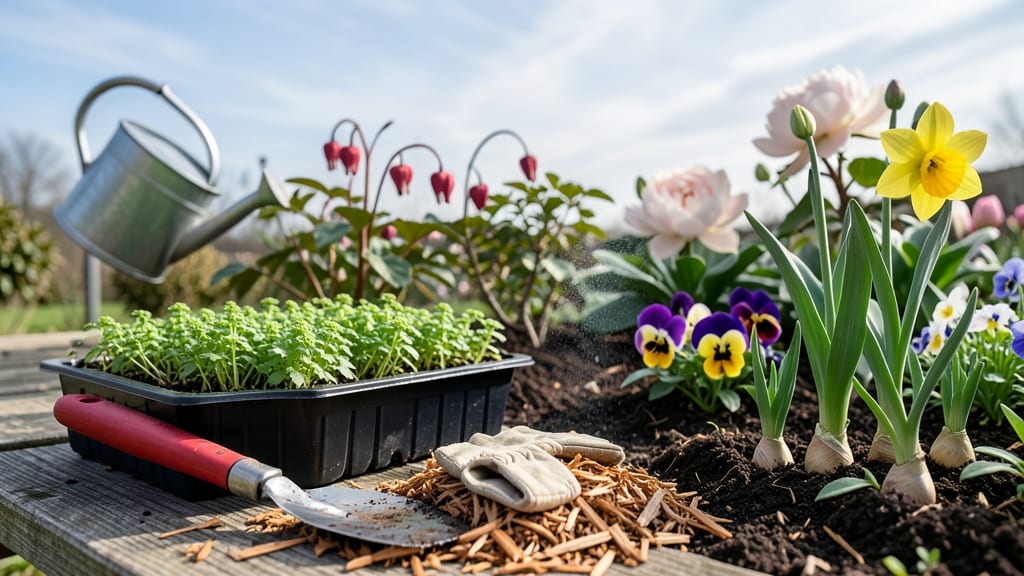
Planting flowers in Zone 5 at the wrong time means frost can turn your dream garden into a sad, icy wasteland—but timing it right guarantees vibrant blooms all season long.
The key is knowing when to plant, whether you're dropping in bulbs in fall or sowing seeds after the last frost. With 150-180 frost-free days to work with, every week counts, especially for delicate annuals like marigolds or hardy perennials like coneflowers.
Most gardeners in Zone 5 (General) wait until mid to late May for the last frost, but bulbs like tulips need a head start in fall—6-8 weeks before the first frost hits. The trick?
Checking your local frost dates and adjusting for microclimates, like that sunny patch near the house that warms up faster. Even a 2-week difference can mean the difference between wilted petals and showstopping blooms.
I’ll break down exactly when to plant your favorite flowers—from cool-loving pansies in early spring to heat-tolerant zinnias in summer—so you never miss a beat.
Whether you’re a beginner or a seasoned gardener, these Zone 5-specific tips will help you extend your bloom time and keep your garden thriving, even when Mother Nature throws a curveball.
Ready to transform your garden into a year-round paradise? Let’s dive into the perfect planting schedule for every flower type, so you can enjoy those 🌸 moments without the guesswork.

Zone 5 last frost dates by month: the exact timeline for planting flowers
Understanding your Zone 5 last frost dates is the first step to a thriving garden. In this region, the average last spring frost typically occurs between April 15 and May 15, while the first fall frost arrives around September 15 to October 15.
However, these dates can shift by 1-2 weeks depending on whether you're in Zone 5a (colder) or Zone 5b (warmer).
To pinpoint your exact frost dates, check the USDA Plant Hardiness Zone Map and factor in your local microclimate. Urban areas may warm up faster, while valleys or low-lying spots can hold frost longer.
Always wait until nighttime temperatures consistently stay above 50°F (10°C) before planting tender flowers like marigolds or zinnias.
⚠️ CRITICAL: Don't rely solely on averages—use a frost calendar from your local cooperative extension office or track your own data for 3-5 years. A late frost in May can still damage young plants, even if it's rare.
| Month | Zone 5a Last Frost | Zone 5b Last Frost | Safe Planting Window | Best Flowers |
|---|---|---|---|---|
| March | Late March (hardy perennials only) | Mid-March | After March 20 (Zone 5b) / April 5 (Zone 5a) | Tulips, Daffodils, Pansies |
| April | Mid-April | Early April | After April 15 (Zone 5b) / May 1 (Zone 5a) | Marigolds, Snapdragons, Sweet Alyssum |
| May | Late May | Mid-May | After May 15 (both zones) | Zinnias, Petunias, Cosmos |
| September | Late September | Early September | Before September 1 (Zone 5b) / September 15 (Zone 5a) | Asters, Chrysanthemums, Pansies |
| October | Early October | Mid-October | Before October 1 (Zone 5b) / October 15 (Zone 5a) | Calendula, Sweet Peas (for spring blooms) |
For bulbs like tulips and daffodils, plant them in fall (October-November)—they need cold to bloom. The soil should be 40-50°F (4-10°C) and at least 6 inches deep. In Zone 5, this typically means planting by mid-October to allow roots to establish before winter.
If you're unsure about your exact frost dates, try the "leaf method": Place a white sheet over a plant at dusk and check for frost in the morning.
Or use a frost alarm (available at garden centers) that alerts you to dropping temperatures. These simple tools can save your tender annuals from unexpected late frosts.
Remember, Zone 5's growing season is roughly 150-180 frost-free days. Plan your garden layout to maximize this time—place heat-loving flowers like sunflowers in the warmest spots (south-facing beds) and cool-season flowers like pansies in partially shaded areas that stay cooler longer.
For perennials like coneflowers and black-eyed Susans, you can plant them as early as April 15 in Zone 5b or May 1 in Zone 5a. These hardy plants tolerate light frosts and will establish roots quickly. Just be prepared to cover them if a late frost is forecasted.
Don't forget about fall planting! Many flowers, like asters and chrysanthemums, thrive when planted in early September. They'll establish roots over fall and burst into color the following spring. Aim to plant at least 6-8 weeks before your first frost to give them time to root.
To track your local frost dates, bookmark the National Oceanic and Atmospheric Administration (NOAA) frost prediction maps or use apps like Frost Date Finder. These resources provide hyper-local data that's far more accurate than general zone averages. Happy planting! 🌸
Best flowers to plant in Zone 5 by season: cool vs. warm-loving varieties
Zone 5 gardeners have a unique advantage with its cool springs and warm summers, but choosing the right flowers for each season is key to a thriving garden. Cool-season bloomers like pansies and tulips love the chill, while warm-season favorites like zinnias and marigolds need the heat.
Even perennials like coneflowers and black-eyed Susans perform best when planted at the right time.
For spring planting, focus on cold-hardy annuals and bulbs that can handle late frosts. Pansies and violas are my go-to early bloomers—they tolerate light frosts and even thrive in 32°F temperatures. Meanwhile, tulips and daffodils planted in fall reward you with early spring color before summer annuals take over.
As temperatures rise, summer annuals like zinnias and marigolds take center stage. These heat-lovers need full sun and consistent moisture to keep blooming until frost. Perennials like coneflowers also shine in summer, but they benefit from early spring planting to establish strong roots before the heat arrives.
Don’t forget fall-planted flowers! Mums and asters add late-season color and can handle light frosts if planted 6-8 weeks before your first frost date. Even cool-season veggie flowers like calendula can be sown in late summer for a winter harvest of edible blooms.
Pro tip: Succession planting keeps your garden blooming all season. Sow marigolds every 2 weeks in summer to ensure continuous color, and add pansies in late summer for winter interest. Even perennials like lavender benefit from early spring division to boost next year’s blooms.
Remember, Zone 5’s unpredictable weather means flexibility is key. If a late frost threatens, use row covers to protect tender blooms. And always check soil temperature—most seeds need 60°F+ soil to germinate.
With these seasonal guidelines, your garden will be a nonstop parade of color from spring to frost! 🌷