
Plants
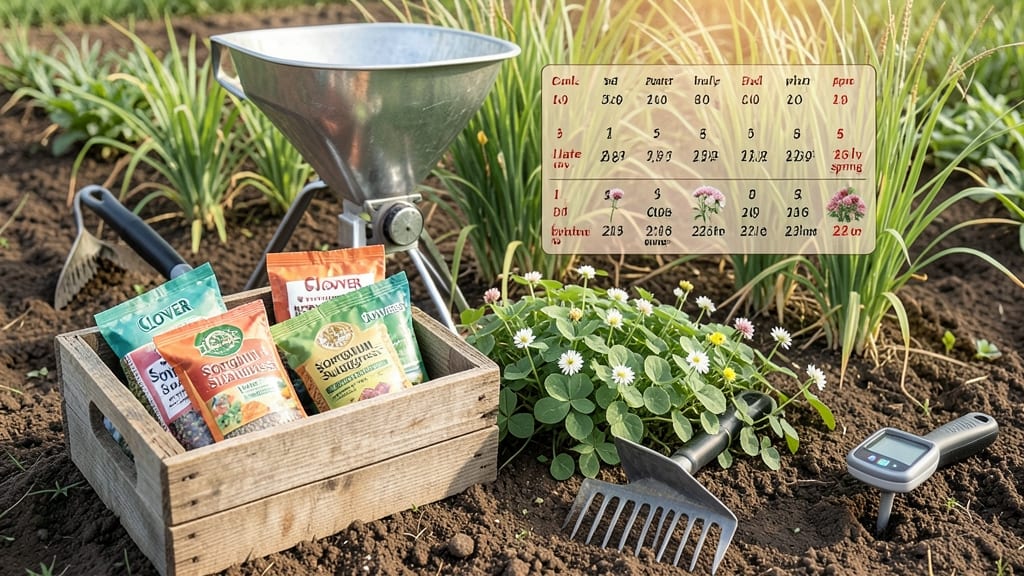
Planting food plots at the wrong time in Florida can mean wasted seed and frustrated deer hunting—unless you nail those spring and fall windows when soil temps and rainfall align just right.
The state’s unpredictable heat and humidity make timing everything, but with the right strategy, you can grow lush forage that attracts deer year-round.
Most gardeners assume Florida’s warm climate means planting anytime works, but that’s a recipe for bolting or pest infestations. The key is understanding how cool-season crops thrive in spring’s mild weather while warm-season varieties need fall’s stable conditions.
I’ll break down the exact months to plant for zero-bolt success, so you can skip the guesswork.
Whether you’re a beginner setting up your first plot or a seasoned hunter fine-tuning your strategy, these insights will save you time and money.
We’ll cover soil prep, regional adjustments, and even how to handle Florida’s sudden rain delays—so your food plots stay green and productive when deer are most active.
Ready to transform your property into a deer magnet? Let’s dive into the step-by-step planting calendar that works for Florida’s unique climate, ensuring your plots are ready when the bucks are browsing.
Florida food plot planting calendar: spring vs fall timing for zero-bolt growth
Florida’s food plot success hinges on timing—plant too early or late, and you’ll trigger bolting or pest infestations. The Sunshine State’s two ideal windows are spring and fall, each with unique soil temperature and rainfall requirements.
North Florida’s cooler microclimates differ from South Florida’s year-round warmth, so adjust your calendar accordingly.
For spring planting, aim for late February to early April in North Florida, where soil temps hover around 60-65°F. South Florida gardeners should wait until March to April to avoid heat stress on young seedlings.
The key? Plant when soil temps consistently reach 65°F—use a soil thermometer to confirm.
Fall planting offers a second chance for lush growth. In North Florida, August to early September works best, while South Florida’s September to October window avoids early frost risks. Cool-season crops like clover and brassicas thrive when daytime temps drop below 85°F.
Here’s your Florida Food Plot Planting Guide broken down by season, region, and critical deadlines to maximize forage production:
🌱 Florida Food Plot Planting Timeline
| Season | Region | Ideal Planting Window | Soil Temp Requirement | Key Considerations |
|---|---|---|---|---|
| Spring | North Florida | Late Feb - Early Apr | 60-65°F | Avoid late frosts; monitor for wireworms |
| Spring | South Florida | March - April | 65-70°F | Watch for fungal diseases; irrigate lightly |
| Fall | North Florida | Aug - Early Sep | 70-75°F | Plant before temps drop below 70°F |
| Fall | South Florida | Sep - Oct | 75-80°F | Hurricane season risk; secure seed |
Miss these windows, and you’ll face bolting (premature flowering) or pest pressure. For example, planting warm-season crops like sorghum in fall risks bolting before deer can graze. Conversely, cool-season crops planted too late in spring may wilt under summer heat.
Pro tip: Use a planting calendar tailored to your county—Florida’s University of Florida IFAS Extension offers free, region-specific guides. For instance, Jacksonville’s frost-free date is January 15, while Miami’s is year-round. Adjust your schedule accordingly.
Soil prep is just as critical as timing. Work in compost or aged manure 2-3 weeks before planting to improve drainage in Florida’s heavy clay soils.
Test your soil’s pH—most food plots thrive at 6.0-7.0. If your soil is too acidic, add lime; if alkaline, use sulfur.
For warm-season crops, like peanuts or sunflowers, plant when soil temps exceed 70°F.
These crops bolt quickly in Florida’s heat, so don’t delay. Cool-season crops, such as clover or radishes, prefer temps below 80°F—plant them too late, and they’ll struggle to establish before summer’s return.
Remember: Florida’s hurricane season (June-November) can disrupt planting. If a storm is forecasted, delay planting until after 48 hours of calm weather to avoid eroded seed beds. Use mulch or straw to protect young seedlings from wind and rain.
Finally, keep a planting journal to track your success. Note soil temps, rainfall, and deer activity. Over time, you’ll refine your timing to create year
Florida food plot planting calendar: spring vs fall timing for zero-bolt growth
Florida’s two peak planting seasons for food plots—spring and fall—offer the best balance of soil warmth, rainfall, and deer activity. Spring planting kicks off in February-March when soil temps hit 65°F+, while fall planting runs from August-September to avoid summer heat stress.
These windows prevent bolting and maximize forage production before deer rut.
North Florida’s cooler microclimate lets you plant 2-4 weeks earlier than South Florida, where humidity spikes can stress seedlings. For example, clover thrives in spring’s mild temps, while sorghum needs fall’s stable conditions. Missing these windows risks seed failure or pest outbreaks—so timing is everything.
| Season | Ideal Planting Months | Soil Temp Requirement | Key Crops |
|---|---|---|---|
| Spring | February-March | 65°F+ | Clover, Ryegrass, Brassicas |
| Fall | August-September | 75°F+ | Sorghum, Millet, Winter Peas |
For spring planting, aim to finish by mid-April in North Florida or late April in South Florida to avoid summer’s extreme heat. Use a soil thermometer—50°F+ at 4" depth signals readiness. In fall, plant 4-6 weeks before first frost (typically November in North Florida, December in South Florida).
Pro tip: Test soil pH (ideal: 6.0-7.0) before planting. Florida’s sandy soils often need lime or sulfur adjustments. I recommend adding compost or aged manure 2-3 weeks pre-planting to boost organic matter—critical for drought-prone areas.
Regional adjustments matter: Panhandle gardeners can plant 1-2 weeks earlier than Miami due to cooler nights. Always check local frost dates (UF/IFAS Extension has free guides) and monitor rainfall forecasts—dry spells require irrigation to prevent seed desiccation.
Once planted, mulch with straw to retain moisture and suppress weeds. In Florida’s heat, water deeply 2x/week until seedlings establish (about 3-4 weeks